Schinia hulstia
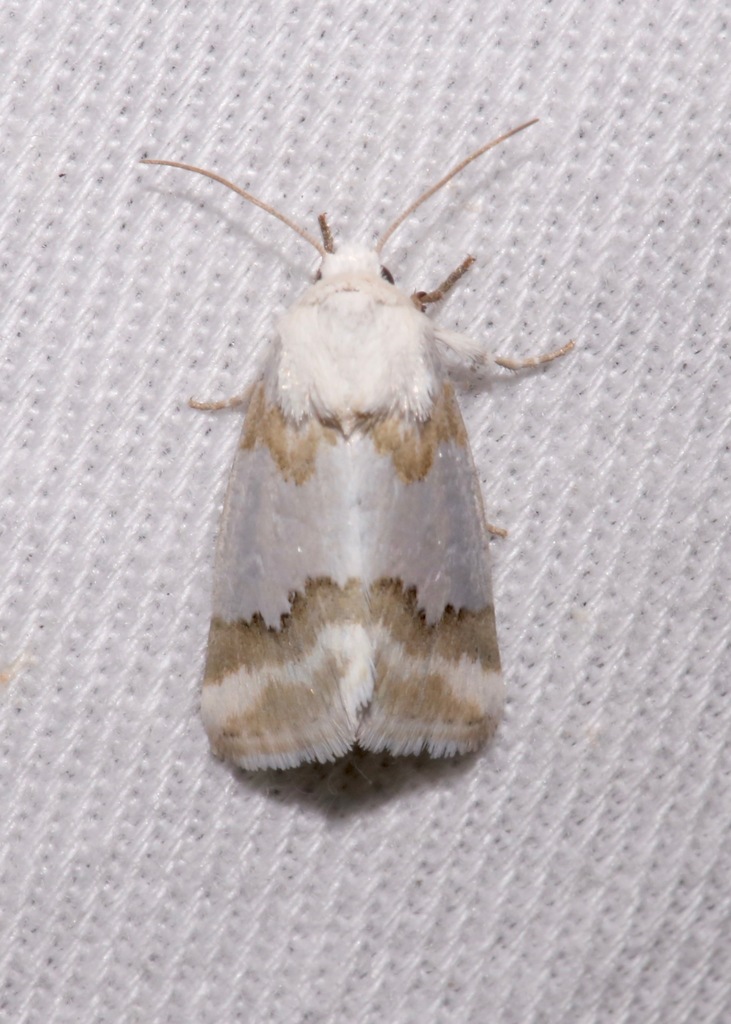
(c) Laura Gaudette, some rights reserved (CC BY) · licence
Family: Noctuidae · Class: Insecta · Order: Lepidoptera
Schinia hulstia is a California animal in the Noctuidae family.
Schinia hulstia is a small moth in the family Noctuidae, subfamily Heliothinae. This species belongs to a genus of flower moths known for their specialized relationships with host plants in the sunflower family. Adults typically measure 12-15 mm in forewing length, displaying the characteristic wing patterns associated with Schinia species. The forewings are generally pale with subtle markings, though detailed morphological descriptions remain limited in the scientific literature. The distribution and range of Schinia hulstia are not well-documented in current taxonomic databases. Like many Schinia species, this moth likely has a restricted range tied to the availability of its specific host plants. The genus Schinia contains numerous species endemic to western North America, many with highly localized distributions corresponding to their host plant requirements. Habitat preferences for S. hulstia remain largely unknown due to limited ecological studies. Most Schinia species inhabit arid and semi-arid environments where their Asteraceae host plants naturally occur. These moths typically occupy areas with sandy or rocky soils that support specialized plant communities. Elevation preferences and specific microhabitat requirements have not been documented for this species. The life cycle and ecological behavior of Schinia hulstia follow patterns typical of flower moths in this genus. Adults are likely active during summer months when host plants are in bloom. Females deposit eggs on or near the flower heads of their host plants, where larvae develop by feeding on developing seeds and flower structures. This specialized feeding behavior makes Schinia species particularly vulnerable to habitat disturbance and changes in plant community composition. Adult moths are typically crepuscular or nocturnal, with males attracted to pheromone lures and both sexes visiting flowers for nectar. The conservation status of Schinia hulstia has not been formally assessed by state or federal wildlife agencies. No listing status has been assigned under the California Endangered Species Act or the federal Endangered Species Act. The species lacks a NatureServe conservation rank, indicating insufficient data for assessment. This data deficiency is common among smaller moth species that may have restricted ranges but have not received adequate taxonomic or ecological study. Primary conservation concerns for Schinia hulstia, like other specialized flower moths, likely include habitat loss, invasive plant species that displace native host plants, and climate change effects on plant-pollinator timing. Urban development, agricultural conversion, and altered fire regimes in California's natural areas pose potential threats to populations. The specialized nature of Schinia species makes them particularly sensitive to environmental changes that affect their host plants. Further research is needed to establish basic ecological information for S. hulstia, including host plant relationships, distribution limits, population status, and specific habitat requirements. Without this fundamental knowledge, effective conservation planning remains difficult for this and many other understudied moth species in California's diverse lepidopteran fauna.
Classification
Class: Insecta · Order: Lepidoptera · Family: Noctuidae
Frequently asked questions
How is Schinia hulstia classified?
Schinia hulstia belongs to class Insecta, order Lepidoptera, family Noctuidae.
What family does Schinia hulstia belong to?
Schinia hulstia is in the Noctuidae family.
What is Schinia hulstia?
Schinia hulstia is a small moth in the family Noctuidae, subfamily Heliothinae.
Is Schinia hulstia found in California?
Yes. Schinia hulstia is recorded in California in The California Species Project's catalogue.
Related species
Other California species in the same genus, family, or bioregion.
Data from The California Species Project — 14,000+ California species with verified data from CNPS, CDFW, USFWS, and more.