Schinia jaegeri
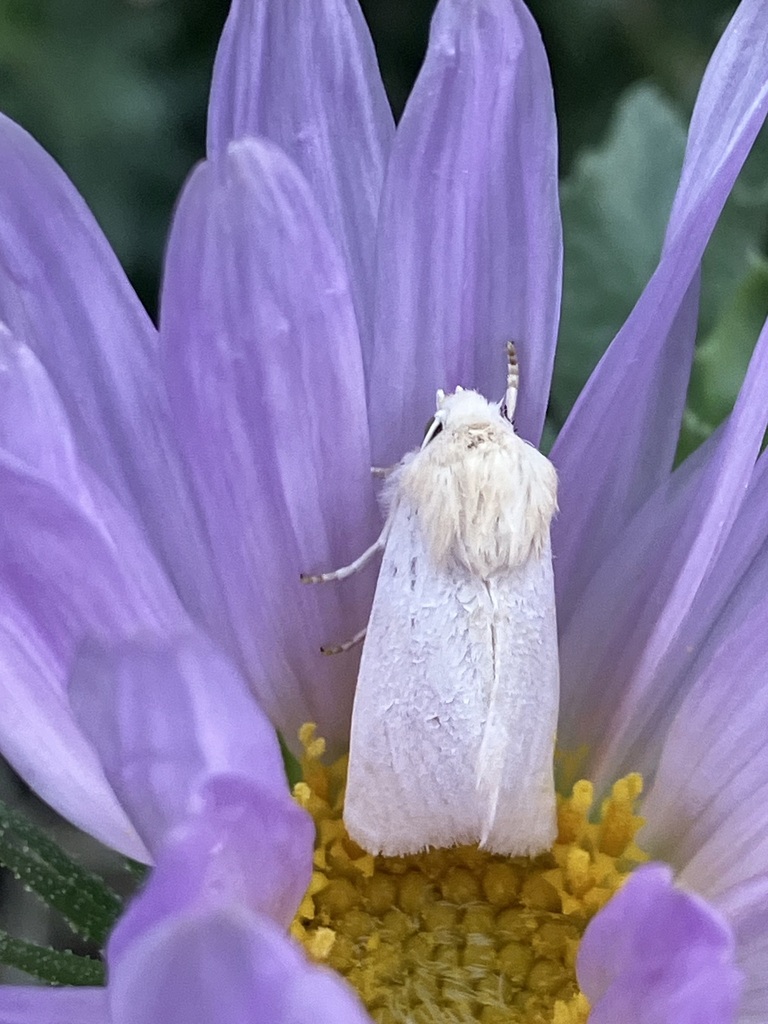
no rights reserved · CC0
Family: Noctuidae · Class: Insecta · Order: Lepidoptera
Schinia jaegeri is a California animal in the Noctuidae family.
Schinia jaegeri is a moth species in the family Noctuidae, subfamily Heliothinae. This species belongs to the genus Schinia, commonly known as flower moths, which are characterized by their close associations with specific host plants and often cryptic coloration that provides camouflage when resting on flowers or seed heads of their preferred plants. The physical characteristics of S. jaegeri follow typical patterns for Schinia species, with forewings that likely display mottled patterns in earth tones that blend with dried plant material. Adult moths in this genus typically have wingspans ranging from 20 to 35 mm, with forewings showing intricate patterns of browns, grays, and sometimes reddish or yellowish markings. The hindwings are generally paler than the forewings, often whitish or light gray with darker marginal bands. The geographic distribution of Schinia jaegeri appears to be restricted to specific regions, though detailed range information requires verification from entomological surveys and museum records. Many Schinia species have limited distributions tied to the availability of their host plants, suggesting this species may have similar geographic constraints. Habitat requirements for S. jaegeri likely center around the presence of its host plant species. Schinia moths are typically specialized feeders, with larvae developing on specific plant families, often Asteraceae (sunflower family). The habitat would encompass areas where the host plant occurs, which may include grasslands, desert scrub, chaparral, or other plant communities depending on the ecological preferences of the host species. Elevation ranges and specific microhabitat requirements would depend on the host plant's distribution and ecological needs. The life cycle of S. jaegeri follows the typical lepidopteran pattern of complete metamorphosis. Adults likely emerge during specific seasons corresponding to host plant flowering or fruiting periods. Females deposit eggs on or near host plants, and larvae feed on flowers, developing seeds, or other plant parts. The species may be univoltine (one generation per year) or multivoltine depending on climate and host plant phenology. Pupation probably occurs in soil or plant litter near the host plant. The conservation status of Schinia jaegeri is not well documented in major conservation databases. Many specialized moths face threats from habitat loss, particularly when their host plants have restricted distributions or specific habitat requirements. Climate change, urban development, agricultural conversion, and altered fire regimes can impact both the moth and its host plant. Without detailed population surveys or formal conservation assessments, the species' current status remains uncertain. The specialized nature of many Schinia species makes them potentially vulnerable to environmental changes that affect their host plants or disrupt the timing of their life cycles relative to plant phenology.
Classification
Class: Insecta · Order: Lepidoptera · Family: Noctuidae
Frequently asked questions
How is Schinia jaegeri classified?
Schinia jaegeri belongs to class Insecta, order Lepidoptera, family Noctuidae.
What family does Schinia jaegeri belong to?
Schinia jaegeri is in the Noctuidae family.
What is Schinia jaegeri?
Schinia jaegeri is a moth species in the family Noctuidae, subfamily Heliothinae.
Is Schinia jaegeri found in California?
Yes. Schinia jaegeri is recorded in California in The California Species Project's catalogue.
Related species
Other California species in the same genus, family, or bioregion.
Data from The California Species Project — 14,000+ California species with verified data from CNPS, CDFW, USFWS, and more.