Schinia ligeae
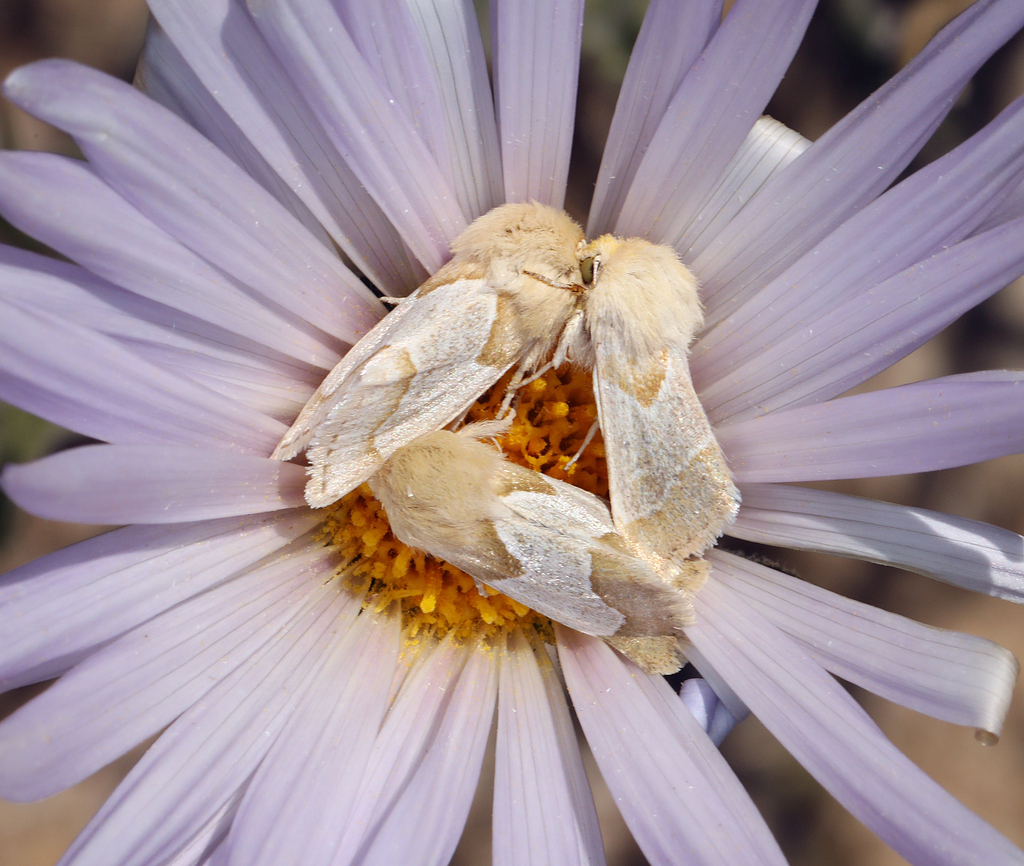
(c) Steve Matson, some rights reserved (CC BY) · licence
Family: Noctuidae · Class: Insecta · Order: Lepidoptera
Schinia ligeae is a California animal in the Noctuidae family.
Schinia ligeae is a nocturnal moth in the family Noctuidae, though comprehensive information about this species remains limited in the scientific literature. The species belongs to the genus Schinia, a group of moths commonly known as flower moths or heliothine moths, which are typically characterized by their association with specific host plants and their often colorful wing patterns. Physical characteristics of Schinia ligeae have not been extensively documented in accessible literature. Members of the genus Schinia are generally small to medium-sized moths with forewings typically measuring 8 to 15 mm in length. The genus is known for species that often display cryptic coloration patterns that help them blend with their preferred flowering host plants during daytime resting periods. The distribution and range of Schinia ligeae appear to be poorly documented in current taxonomic and biogeographic databases. Many Schinia species are endemic to specific regions of North America and are often associated with particular plant communities or ecosystems. Without verified occurrence records, the specific range of S. ligeae within California or elsewhere cannot be definitively established. Habitat requirements for Schinia ligeae have not been clearly defined in available sources. Other Schinia species typically inhabit areas where their specific host plants occur, which can range from desert scrublands to grasslands and woodland edges. The genus shows strong fidelity to particular plant families, especially Asteraceae, and species are often found in habitats that support their larval host plants throughout the growing season. The ecological behavior and life history of Schinia ligeae remain largely undocumented. Most Schinia species are univoltine, producing one generation per year, with larvae feeding exclusively on flowers, buds, and developing seeds of their host plants. Adults typically emerge during the blooming period of their host plants, timing their reproduction with resource availability. Larvae often bore into flower heads or seed structures, where they complete their development before pupating in the soil or plant debris. The conservation status of Schinia ligeae is not established, as the species lacks formal assessment by major conservation organizations. Many Schinia species face potential threats from habitat loss, particularly when they depend on specific host plants that may be declining due to land use changes, invasive species, or altered fire regimes. Climate change may also affect the synchronization between adult emergence and host plant flowering periods, which could impact reproductive success. The limited available information about Schinia ligeae highlights the need for additional taxonomic and ecological research on this species. Further field surveys and taxonomic studies would be necessary to establish its distribution, host plant associations, habitat requirements, and conservation needs. Until such research is conducted, the species remains poorly understood within the broader context of California's lepidopteran fauna.
Classification
Class: Insecta · Order: Lepidoptera · Family: Noctuidae
Frequently asked questions
How is Schinia ligeae classified?
Schinia ligeae belongs to class Insecta, order Lepidoptera, family Noctuidae.
What family does Schinia ligeae belong to?
Schinia ligeae is in the Noctuidae family.
What is Schinia ligeae?
Schinia ligeae is a nocturnal moth in the family Noctuidae, though comprehensive information about this species remains limited in the scientific literature.
Is Schinia ligeae found in California?
Yes. Schinia ligeae is recorded in California in The California Species Project's catalogue.
Related species
Other California species in the same genus, family, or bioregion.
Data from The California Species Project — 14,000+ California species with verified data from CNPS, CDFW, USFWS, and more.