Schinia luxa
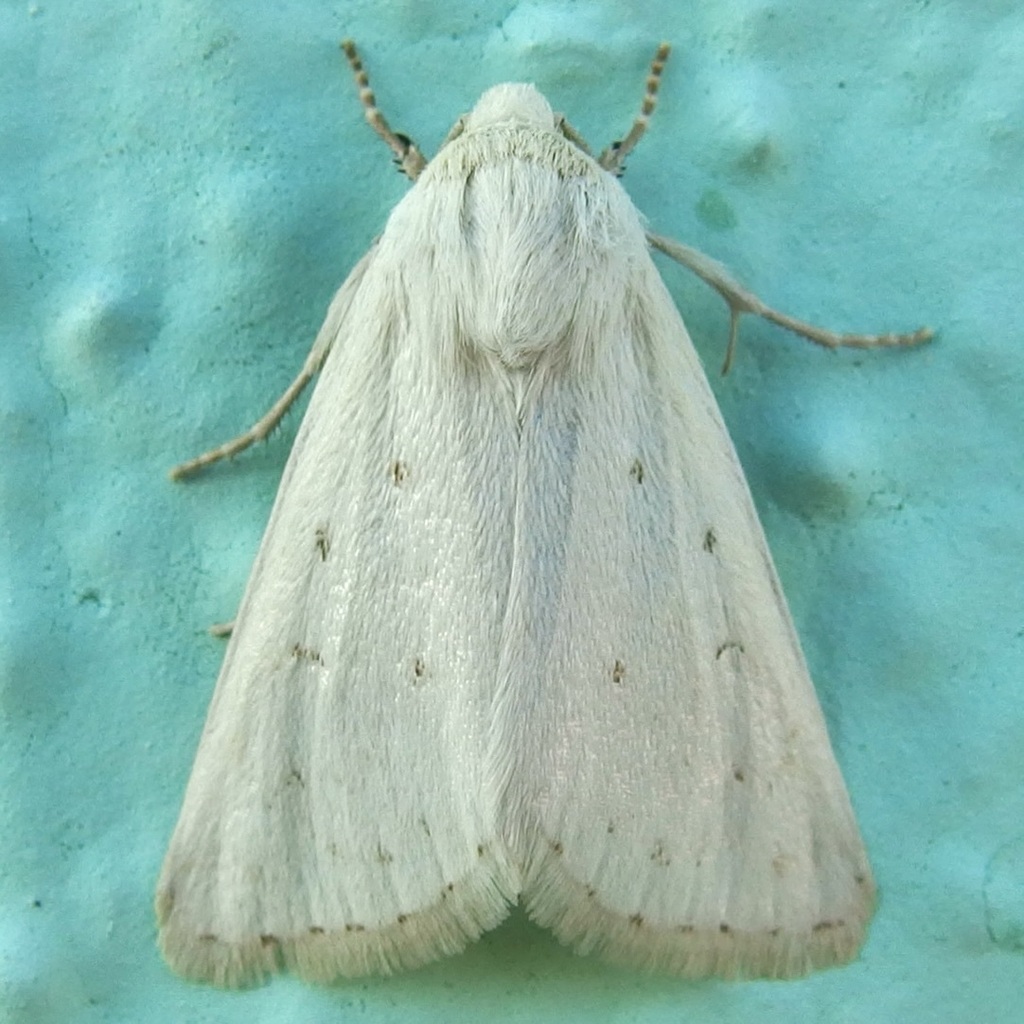
(c) Sue Carnahan, some rights reserved (CC BY) · licence
Family: Noctuidae · Class: Insecta · Order: Lepidoptera
Schinia luxa is a California animal in the Noctuidae family.
Schinia luxa is a moth species in the family Noctuidae, subfamily Heliothinae. This species belongs to the diverse genus Schinia, commonly known as flower moths, which are characterized by their close association with specific host plants and often brightly colored wing patterns. Adult moths typically display cryptic coloration that provides camouflage when resting on their preferred host plants during daylight hours. The current distribution and range of Schinia luxa remain poorly documented in the scientific literature. Limited records suggest the species may occur in western North America, potentially including California, though specific locality data are sparse. The historical range and any potential range reductions cannot be accurately assessed due to insufficient survey data and taxonomic uncertainty within the genus Schinia. Habitat requirements for Schinia luxa are largely unknown, though members of the genus Schinia typically inhabit areas where their specific host plants occur. These moths generally prefer open habitats including grasslands, chaparral, desert scrub, and disturbed areas. Elevation ranges and specific microhabitat preferences have not been documented for this species. The timing of adult emergence and flight periods remain unrecorded. Like other Schinia species, S. luxa likely exhibits a close relationship with particular host plants, with larvae feeding exclusively on flowers, buds, and developing seeds. However, the specific host plant associations for this species have not been documented in available literature. Adult moths are presumed to be nocturnal, with peak activity occurring during evening and nighttime hours. Mating behaviors, egg-laying preferences, and larval development patterns remain unstudied. The conservation status of Schinia luxa is not established, as the species lacks federal or state listing status. Population trends, threats, and conservation needs cannot be assessed due to the absence of systematic surveys and ecological studies. The species may face similar challenges to other specialized moths, including habitat loss, pesticide use, invasive plant species that displace native host plants, and climate change effects on plant phenology and distribution. Taxonomic uncertainty presents additional conservation challenges. Some Schinia species have been synonymized or reclassified following detailed morphological and molecular studies. Without comprehensive taxonomic review and field surveys, the valid status of S. luxa as a distinct species remains questionable. This uncertainty complicates any potential conservation planning or habitat management efforts. The lack of basic biological and ecological information for Schinia luxa represents a significant knowledge gap. Systematic surveys targeting potential habitat areas, host plant studies, and molecular genetic analysis would be necessary to establish the species' validity, distribution, and conservation needs. Until such research is conducted, the status of this moth remains enigmatic within California's lepidopteran fauna.
Classification
Class: Insecta · Order: Lepidoptera · Family: Noctuidae
Frequently asked questions
How is Schinia luxa classified?
Schinia luxa belongs to class Insecta, order Lepidoptera, family Noctuidae.
What family does Schinia luxa belong to?
Schinia luxa is in the Noctuidae family.
What is Schinia luxa?
Schinia luxa is a moth species in the family Noctuidae, subfamily Heliothinae.
Is Schinia luxa found in California?
Yes. Schinia luxa is recorded in California in The California Species Project's catalogue.
Related species
Other California species in the same genus, family, or bioregion.
Data from The California Species Project — 14,000+ California species with verified data from CNPS, CDFW, USFWS, and more.