Schinia megarena
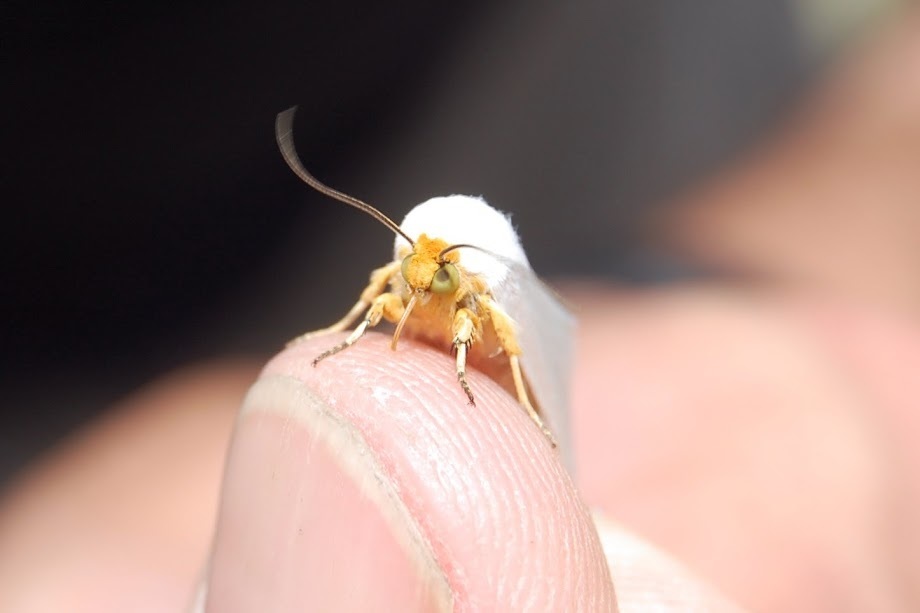
(c) Chris Friesen, some rights reserved (CC BY) · licence
Family: Noctuidae · Class: Insecta · Order: Lepidoptera
Schinia megarena is a California animal in the Noctuidae family.
Schinia megarena is a moth species in the family Noctuidae, commonly known as flower moths or heliothine moths. This species belongs to a genus of specialized moths that typically exhibit close associations with specific host plants and demonstrate precise ecological requirements. The physical characteristics of Schinia megarena follow typical patterns observed in the genus Schinia. Adults likely display forewings with cryptic coloration patterns that provide camouflage when resting on their host plants during daylight hours. The wingspan and specific morphological features of this species require further documentation, as detailed descriptions are limited in available literature. Like other Schinia species, adults probably exhibit sexual dimorphism, with males typically having more feathered antennae and potentially different wing patterns compared to females. The geographic distribution of Schinia megarena appears to be restricted, though specific range information requires verification from authoritative lepidopteran databases. The species name 'megarena' suggests this taxon may be associated with particular geographic or ecological characteristics, following standard taxonomic naming conventions for the genus. California's diverse ecosystems support numerous endemic and specialized moth species, particularly in areas with unique plant communities that serve as host plants for specialist herbivores. Habitat requirements for Schinia megarena likely reflect the specialized nature typical of the genus. Schinia moths generally occupy habitats where their specific host plants occur, often showing narrow ecological tolerance ranges. These habitats may include grasslands, shrublands, or other plant communities that support the larval host plants. Elevation preferences and microhabitat requirements would depend on the distribution and ecology of associated host plant species. The life cycle of Schinia megarena presumably follows the typical pattern for the genus, with adults emerging during specific seasonal windows that coincide with host plant flowering or optimal larval development conditions. Larvae likely feed on specific plant species, as most Schinia moths demonstrate strong host plant specialization. Adult flight periods, mating behaviors, and reproductive cycles would be synchronized with host plant phenology and favorable environmental conditions. The conservation status of Schinia megarena remains unclear due to limited available data on population trends, distribution extent, and specific threats. Many specialized moth species face conservation challenges due to habitat loss, fragmentation, and changes in plant community composition that affect their host plants. Climate change may also impact the synchronization between moth life cycles and host plant phenology, potentially affecting population viability. Further research is needed to establish comprehensive data on this species' taxonomy, distribution, ecology, and conservation needs. Proper documentation of host plant relationships, habitat requirements, and population status would be essential for developing appropriate conservation strategies if needed. The specialized nature typical of Schinia species suggests that Schinia megarena may require specific conservation attention focused on maintaining suitable habitat conditions and host plant populations.
Classification
Class: Insecta · Order: Lepidoptera · Family: Noctuidae
Frequently asked questions
How is Schinia megarena classified?
Schinia megarena belongs to class Insecta, order Lepidoptera, family Noctuidae.
What family does Schinia megarena belong to?
Schinia megarena is in the Noctuidae family.
What is Schinia megarena?
Schinia megarena is a moth species in the family Noctuidae, commonly known as flower moths or heliothine moths.
Is Schinia megarena found in California?
Yes. Schinia megarena is recorded in California in The California Species Project's catalogue.
Related species
Other California species in the same genus, family, or bioregion.
Data from The California Species Project — 14,000+ California species with verified data from CNPS, CDFW, USFWS, and more.