Schinia miniana
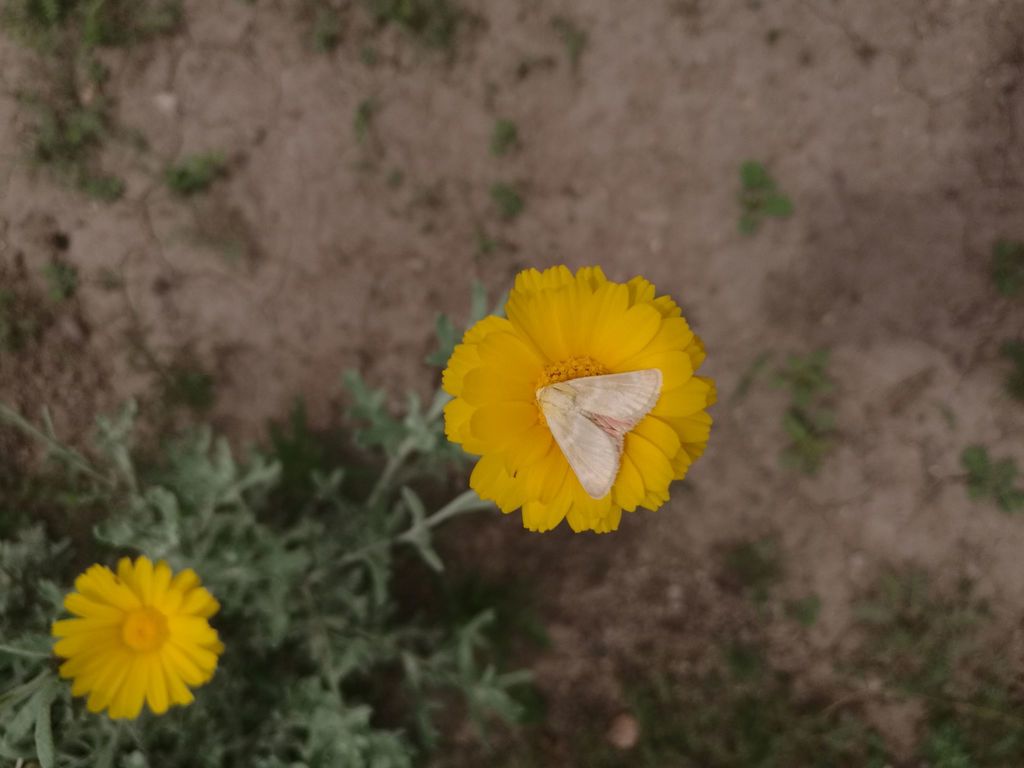
(c) Juan Carlos Pérez Magaña, some rights reserved (CC BY-SA) · licence
Family: Noctuidae · Class: Insecta · Order: Lepidoptera
Schinia miniana is a California animal in the Noctuidae family.
Schinia miniana is a moth species in the family Noctuidae, subfamily Heliothinae. This nocturnal lepidopteran belongs to a genus of flower moths known for their specialized associations with composite plants. Adult moths are small to medium-sized with forewings typically measuring 12 to 15 millimeters in length. The forewings display cryptic coloration patterns that often reflect the colors of their host plant flowers, providing effective camouflage during daytime resting periods. Like other Schinia species, S. miniana exhibits sexual dimorphism, with males possessing more feathered antennae for detecting female pheromones. The current distribution of Schinia miniana within California remains poorly documented in accessible databases. The species belongs to a genus with representatives throughout western North America, particularly in areas supporting diverse populations of Asteraceae plants. Many Schinia species demonstrate restricted ranges tied to the distribution of their specific host plants, suggesting S. miniana likely follows a similar pattern of localized occurrence based on host plant availability. Habitat requirements for Schinia miniana are presumed to center on areas supporting its host plant species, likely members of the sunflower family (Asteraceae). Schinia moths typically inhabit open areas including grasslands, chaparral, desert margins, and disturbed sites where their host plants thrive. The species probably occurs from sea level to moderate elevations, depending on the elevational range of its host plant. Adults require access to nectar sources for feeding, while larvae depend entirely on specific plant species for development. Adult Schinia miniana likely emerge during periods when their host plants are in bloom, ensuring synchronization between larval development and resource availability. Females deposit eggs directly on flower buds or developing seed heads of the host plant. Larvae bore into flower heads and developing seeds, feeding on reproductive tissues and developing seeds. This feeding strategy is characteristic of the genus and often results in larvae pupating within the dried flower heads. The species presumably has one generation per year, with pupae overwintering in plant debris or soil. The conservation status of Schinia miniana has not been formally evaluated by major conservation organizations. No federal or state listing status has been assigned to this species, and population trends remain unknown due to limited survey data. The species may face threats common to other specialized herbivorous insects, including habitat loss, host plant population declines, pesticide applications, and climate change effects on plant-insect synchronization. Urban development and agricultural conversion of natural habitats could impact local populations if they eliminate host plant populations. The specialized nature of Schinia moths' host plant relationships makes them potentially vulnerable to environmental changes affecting their host species. Conservation assessments would require field surveys to determine current distribution, population status, and specific host plant associations within California.
Classification
Class: Insecta · Order: Lepidoptera · Family: Noctuidae
Frequently asked questions
How is Schinia miniana classified?
Schinia miniana belongs to class Insecta, order Lepidoptera, family Noctuidae.
What family does Schinia miniana belong to?
Schinia miniana is in the Noctuidae family.
What is Schinia miniana?
Schinia miniana is a moth species in the family Noctuidae, subfamily Heliothinae.
Is Schinia miniana found in California?
Yes. Schinia miniana is recorded in California in The California Species Project's catalogue.
Related species
Other California species in the same genus, family, or bioregion.
Data from The California Species Project — 14,000+ California species with verified data from CNPS, CDFW, USFWS, and more.