Schinia mortua
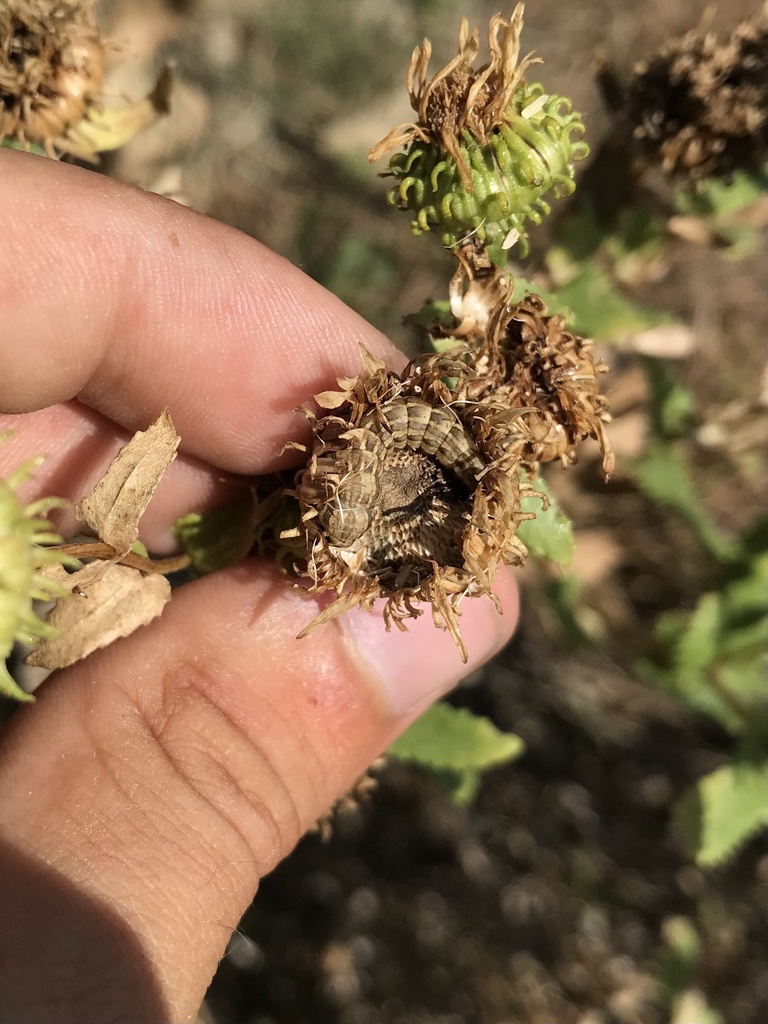
(c) Rose Zappa, some rights reserved (CC BY) · licence
Family: Noctuidae · Class: Insecta · Order: Lepidoptera
Schinia mortua is a California animal in the Noctuidae family.
Schinia mortua is a moth species in the family Noctuidae, commonly known as owlet moths or cutworm moths. This nocturnal lepidopteran belongs to the genus Schinia, a group of moths known for their specialized relationships with host plants, particularly members of the sunflower family (Asteraceae). Like other Schinia species, S. mortua likely displays cryptic coloration that provides camouflage during daylight hours when the moths rest on vegetation or other surfaces. Most Schinia moths are small to medium-sized, with forewings typically measuring 12 to 18 mm in length. The wing patterns generally consist of mottled browns, grays, and earth tones that blend with natural substrates. The hindwings are usually paler than the forewings, often whitish or light gray with darker marginal borders. The geographic distribution and specific range of Schinia mortua in California remains poorly documented in available databases. Many Schinia species have restricted ranges tied to the distribution of their host plants, suggesting this species may occupy specialized habitats within the state. Further field surveys and taxonomic research are needed to establish precise distributional boundaries. Habitat preferences for S. mortua are likely closely linked to the presence of specific host plants, as is typical for the genus Schinia. These moths generally inhabit areas where their larval food plants occur, which may include grasslands, chaparral, desert scrub, or other plant communities containing appropriate Asteraceae species. Elevation ranges and microhabitat requirements remain undetermined for this species. The life cycle of S. mortua presumably follows the typical noctuidae pattern, with complete metamorphosis including egg, larval, pupal, and adult stages. Larvae likely feed on flowers, buds, or seeds of their host plants, as is characteristic of many Schinia species. Adults are probably active during warmer months, with flight periods potentially synchronized with the blooming periods of their host plants. Mating behavior likely involves pheromone communication typical of nocturnal moths, with females releasing chemical attractants to draw males for reproduction. The conservation status of Schinia mortua appears unassessed, with no federal or state listing designations currently assigned. The lack of comprehensive data on distribution, population size, habitat requirements, and threats makes it difficult to evaluate conservation needs. Many specialized moths face pressures from habitat loss, urban development, agricultural conversion, and climate change effects on plant communities. The potential narrow host plant associations typical of Schinia species could make S. mortua vulnerable to environmental changes that affect its food sources. Taxonomic uncertainty may also complicate conservation assessment, as some Schinia species have complex relationships and potential synonymies that require further systematic study. Additional research is needed to determine the current status, distribution, and ecological requirements of this species to inform any future conservation planning efforts.
Classification
Class: Insecta · Order: Lepidoptera · Family: Noctuidae
Frequently asked questions
How is Schinia mortua classified?
Schinia mortua belongs to class Insecta, order Lepidoptera, family Noctuidae.
What family does Schinia mortua belong to?
Schinia mortua is in the Noctuidae family.
What is Schinia mortua?
Schinia mortua is a moth species in the family Noctuidae, commonly known as owlet moths or cutworm moths.
Is Schinia mortua found in California?
Yes. Schinia mortua is recorded in California in The California Species Project's catalogue.
Related species
Other California species in the same genus, family, or bioregion.
Data from The California Species Project — 14,000+ California species with verified data from CNPS, CDFW, USFWS, and more.