Schinia oleagina
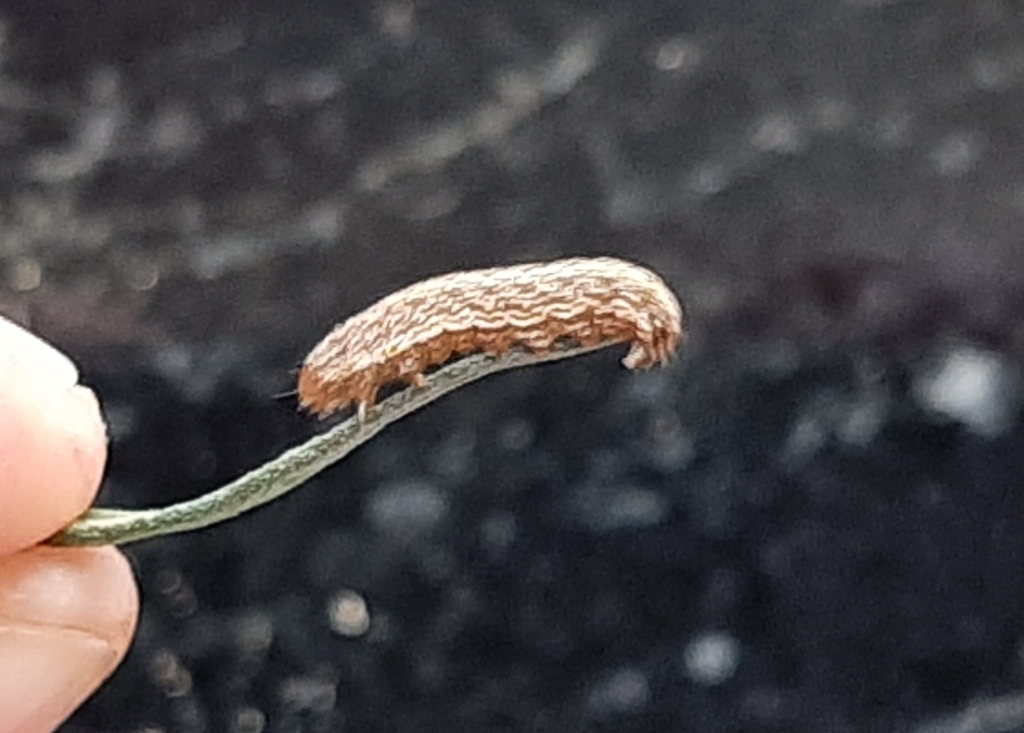
no rights reserved · CC0
Family: Noctuidae · Class: Insecta · Order: Lepidoptera
Schinia oleagina is a California animal in the Noctuidae family.
Schinia oleagina is a moth species in the family Noctuidae, commonly known as flower moths or owlet moths. This species belongs to the genus Schinia, which comprises numerous North American moths that typically exhibit specialized relationships with their host plants. The taxonomic placement within Noctuidae indicates this species shares characteristics with other members of this large family, including nocturnal flight patterns and cryptic coloration. The physical appearance of Schinia oleagina follows typical patterns for the genus, with forewings that likely display mottled earth-tone coloration providing camouflage against bark and dried vegetation. Members of the genus Schinia typically measure 12 to 20 millimeters (0.5 to 0.8 inches) in wingspan, with forewings often featuring subtle patterns of browns, grays, and muted yellows or oranges. The hindwings are generally paler than the forewings. Like other Noctuidae, this species possesses thread-like antennae and a robust thorax adapted for sustained flight. The geographic range and specific distribution of Schinia oleagina within California remains poorly documented in available literature. The genus Schinia is widely distributed across North America, with various species occupying diverse habitats from desert regions to montane environments. Without specific collection records or range maps, the precise counties or regions where this species occurs cannot be definitively stated. Habitat requirements for Schinia oleagina are likely tied to the distribution of its host plants, as is characteristic of the genus. Most Schinia species demonstrate high fidelity to specific plant families or genera, with larvae feeding exclusively on flowers and developing seed heads. The habitat preferences would therefore correspond to areas supporting the appropriate host plant communities, which may include grasslands, chaparral, desert scrub, or oak woodlands depending on the botanical associations. The life cycle of Schinia oleagina presumably follows the typical pattern observed in related species. Adults are likely active during late spring through early fall, with flight periods coinciding with the blooming periods of host plants. Females deposit eggs directly on or near flower buds, and larvae feed within the developing flowers and seed heads. This specialized feeding behavior often results in highly synchronized life cycles with specific plant species. Most Schinia species are univoltine, producing one generation per year, though some may have extended flight periods in favorable climates. The conservation status of Schinia oleagina is not well-established, with no current federal or state listing designations. Limited survey data and taxonomic uncertainty within the genus Schinia create challenges for assessing population trends. Many specialized flower-feeding moths face potential threats from habitat loss, alteration of plant communities through invasive species, and changes in fire regimes that affect host plant abundance. Climate change may also impact the synchronization between moth emergence and host plant flowering periods, potentially affecting reproductive success.
Classification
Class: Insecta · Order: Lepidoptera · Family: Noctuidae
Frequently asked questions
How is Schinia oleagina classified?
Schinia oleagina belongs to class Insecta, order Lepidoptera, family Noctuidae.
What family does Schinia oleagina belong to?
Schinia oleagina is in the Noctuidae family.
What is Schinia oleagina?
Schinia oleagina is a moth species in the family Noctuidae, commonly known as flower moths or owlet moths.
Is Schinia oleagina found in California?
Yes. Schinia oleagina is recorded in California in The California Species Project's catalogue.
Related species
Other California species in the same genus, family, or bioregion.
Data from The California Species Project — 14,000+ California species with verified data from CNPS, CDFW, USFWS, and more.