Schinia tobia
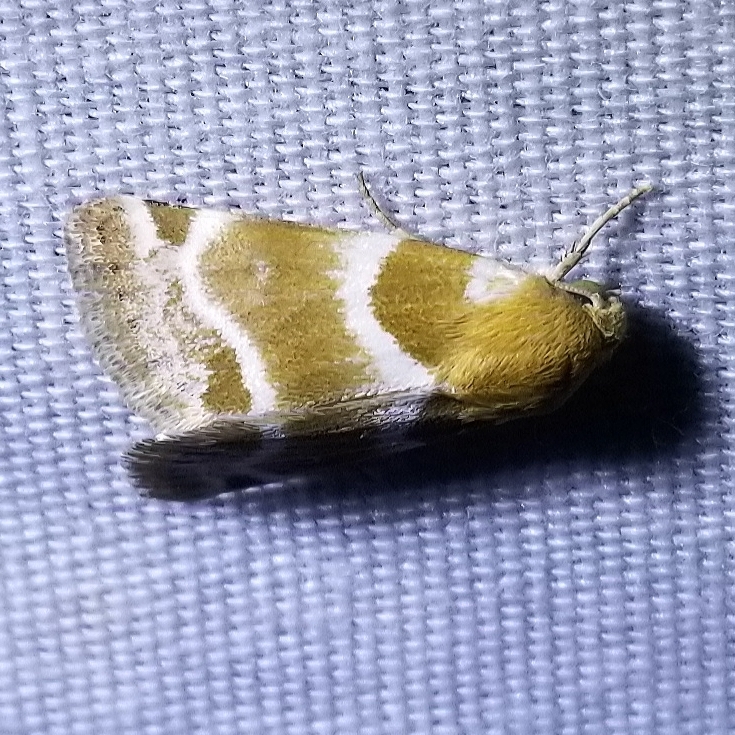
(c) Bob Miller, some rights reserved (CC BY) · licence
Family: Noctuidae · Class: Insecta · Order: Lepidoptera
Schinia tobia is a California animal in the Noctuidae family.
Schinia tobia is a moth species in the family Noctuidae, subfamily Heliothinae. This species belongs to the genus Schinia, commonly known as flower moths or heliothine moths, which are characterized by their specialized relationships with specific host plants and often colorful wing patterns that provide camouflage when resting on flowers. The physical characteristics of S. tobia are not well-documented in readily accessible literature, though members of the genus Schinia typically display forewings that range from 10-15 mm in length. Most Schinia species exhibit cryptic coloration that matches their host plants, with wing patterns often featuring stripes, spots, or mottled designs in earth tones, though some species display more vibrant colors that mimic flower petals. The geographic range and distribution of Schinia tobia remains poorly documented in current taxonomic and ecological literature. Many Schinia species have restricted ranges tied to the distribution of their specific host plants, suggesting S. tobia likely has similarly limited geographic occurrence within areas where its host plants are found. Habitat requirements for S. tobia are not specifically documented, though species in the genus Schinia typically inhabit areas where their host plants grow. These moths generally occur in open habitats including prairies, desert areas, coastal dunes, and disturbed sites where their associated flowering plants are established. The elevation range and specific microhabitat preferences for S. tobia are not currently documented in accessible sources. The life history and ecological behavior of S. tobia follows the general pattern observed in other Schinia species. Adults are typically active at dusk and night, feeding on nectar from various flowers. Larvae are usually highly specialized, feeding exclusively or primarily on specific plant species or genera. The timing of adult flight periods generally corresponds with the blooming period of the host plants, though specific phenology for S. tobia is not documented. Most Schinia species complete one or two generations per year, with larvae pupating in soil or plant debris. The conservation status of Schinia tobia is not established through major conservation databases or federal listing programs as of December 2025. The species does not appear on current USFWS endangered species lists, nor is it tracked by NatureServe Global or California state conservation programs. This absence from conservation databases may indicate either that the species is stable, that it has not been adequately surveyed, or that taxonomic uncertainty exists regarding its status. Many specialized moths in the genus Schinia face potential threats from habitat loss, invasive plant species that displace their native host plants, pesticide applications, and climate change effects on plant-pollinator synchrony.
Classification
Class: Insecta · Order: Lepidoptera · Family: Noctuidae
Frequently asked questions
How is Schinia tobia classified?
Schinia tobia belongs to class Insecta, order Lepidoptera, family Noctuidae.
What family does Schinia tobia belong to?
Schinia tobia is in the Noctuidae family.
What is Schinia tobia?
Schinia tobia is a moth species in the family Noctuidae, subfamily Heliothinae.
Is Schinia tobia found in California?
Yes. Schinia tobia is recorded in California in The California Species Project's catalogue.
Related species
Other California species in the same genus, family, or bioregion.
Data from The California Species Project — 14,000+ California species with verified data from CNPS, CDFW, USFWS, and more.