Schinia vacciniae
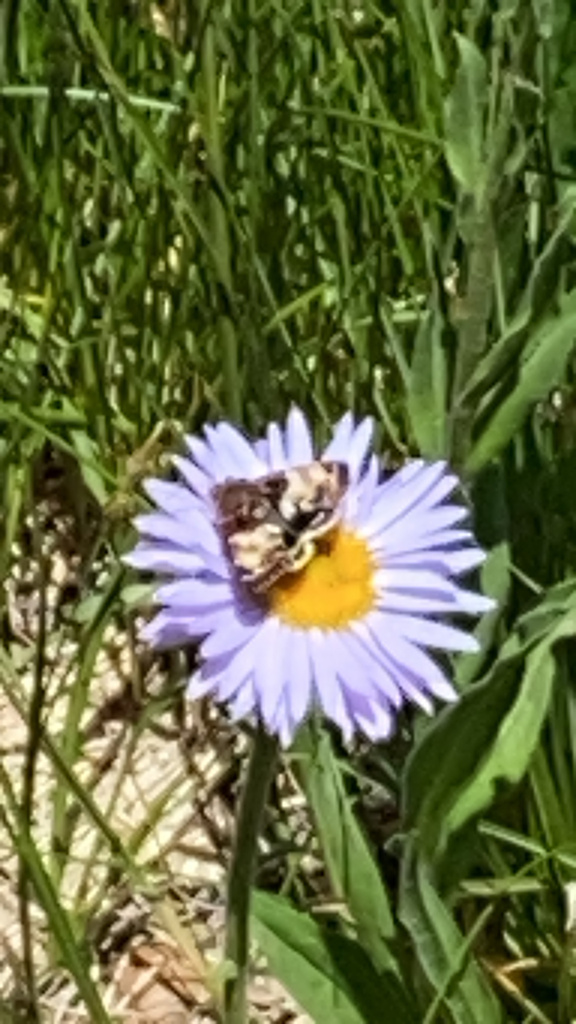
(c) nebrooks, some rights reserved (CC BY) · licence
Family: Noctuidae · Class: Insecta · Order: Lepidoptera
Schinia vacciniae is a California animal in the Noctuidae family.
Schinia vacciniae is a small moth in the family Noctuidae, commonly known as flower moths or heliothine moths. This species belongs to a genus known for host plant specialization, with many species closely associated with specific flowering plants. Adult moths typically measure 15-20 mm in wingspan, though specific measurements for S. vacciniae require verification from taxonomic sources. The distribution and range of Schinia vacciniae remains poorly documented in the available literature. Limited records suggest the species may occur in western North America, consistent with the geographic pattern of related Schinia species, though specific counties or regions in California where this moth has been confirmed require further verification from museum collections or survey data. Habitat preferences for S. vacciniae are likely tied to the distribution of its host plants, following the typical pattern of Schinia species. Most members of this genus are associated with specific flowering plant families, particularly Asteraceae, and often show high fidelity to particular host species. The habitat would typically include areas where these host plants occur, potentially ranging from coastal scrub to montane environments depending on host plant distribution. The ecology and behavior of S. vacciniae likely follows patterns typical of the genus Schinia. Adults are generally nocturnal and attracted to lights, with peak activity periods varying by species and location. Larvae typically feed on flowers, buds, and developing seeds of their host plants, often showing remarkable specificity. The life cycle probably includes overwintering as pupae in the soil, with adults emerging during the host plant's flowering period to ensure larval food availability. Many Schinia species are univoltine, producing one generation per year, timed to coincide with their host plant's reproductive cycle. Conservation status for Schinia vacciniae is not well established, with no current federal or state listing status documented. The species does not appear on major conservation databases such as the USFWS Environmental Conservation Online System or California Department of Fish and Wildlife special status species lists as of December 2025. However, many Lepidoptera species, particularly those with narrow host plant requirements, face threats from habitat loss, fragmentation, and climate change effects on plant communities. The taxonomic status and species validity of S. vacciniae may require review, as some names in the genus Schinia have been synonymized or reclassified over time. Modern molecular techniques and comprehensive morphological studies continue to refine our understanding of species boundaries within this diverse genus. Conservation assessment would benefit from systematic surveys to determine current distribution, population status, and ecological requirements, particularly given the specialized nature of most Schinia species and their vulnerability to habitat modification.
Classification
Class: Insecta · Order: Lepidoptera · Family: Noctuidae
Frequently asked questions
How is Schinia vacciniae classified?
Schinia vacciniae belongs to class Insecta, order Lepidoptera, family Noctuidae.
What family does Schinia vacciniae belong to?
Schinia vacciniae is in the Noctuidae family.
What is Schinia vacciniae?
Schinia vacciniae is a small moth in the family Noctuidae, commonly known as flower moths or heliothine moths.
Is Schinia vacciniae found in California?
Yes. Schinia vacciniae is recorded in California in The California Species Project's catalogue.
Related species
Other California species in the same genus, family, or bioregion.
Data from The California Species Project — 14,000+ California species with verified data from CNPS, CDFW, USFWS, and more.