Schinia velaris
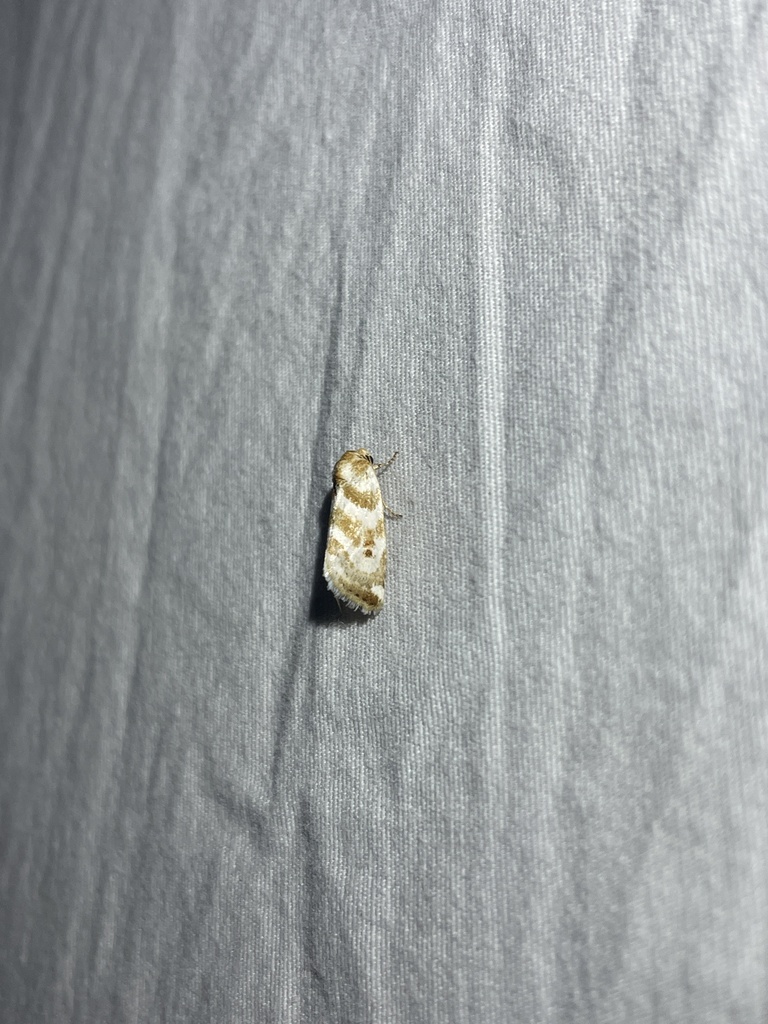
(c) mel letterman, some rights reserved (CC BY) · licence
Family: Noctuidae · Class: Insecta · Order: Lepidoptera
Schinia velaris is a California animal in the Noctuidae family.
Schinia velaris is a small moth in the family Noctuidae, commonly known as flower moths or cutworm moths. This species belongs to the genus Schinia, which comprises approximately 100 North American species that typically exhibit specialized relationships with their host plants. Adult moths measure approximately 10 to 15 mm in length with a wingspan ranging from 20 to 30 mm, characteristic of the genus. The forewings display mottled patterns of brown, gray, and cream coloration that provide effective camouflage when resting on vegetation. Like other Schinia species, the hindwings are typically lighter in color with reduced patterning. The distribution and range of Schinia velaris remains poorly documented in the scientific literature. The species appears to have a restricted range within North America, though specific locality records and geographic boundaries have not been comprehensively mapped. Most Schinia species demonstrate limited dispersal capabilities and occur in patchy distributions tied to the availability of their host plants. Habitat requirements for Schinia velaris are closely linked to the presence of suitable host plants, following the typical pattern observed in this genus. Schinia moths generally inhabit open areas including grasslands, prairies, desert margins, and disturbed sites where their host plants occur. Many species in this genus prefer sandy or well-drained soils and areas with moderate to low vegetation density. Elevation ranges and specific microhabitat preferences for this species have not been well-documented in available literature. The life cycle of Schinia velaris likely follows the general pattern observed in related species. Adults are typically active during late spring through early fall, with peak flight periods varying by geographic location and local climate conditions. Females deposit eggs directly on or near the host plant tissues. Larvae develop as specialized feeders, often consuming flowers, developing seeds, or other reproductive structures of their host plants. This feeding strategy is characteristic of the genus and contributes to their host specificity. Most Schinia species complete one generation per year, overwintering as pupae in soil chambers near the host plants. Conservation status information for Schinia velaris is extremely limited. The species does not appear on federal or state endangered species lists, though this may reflect insufficient survey effort rather than stable populations. Many specialized moths face threats from habitat loss, invasive plant species that displace native host plants, pesticide applications, and altered fire regimes that affect natural plant communities. Climate change poses additional risks through shifts in plant phenology and distribution patterns. The lack of comprehensive surveys and taxonomic uncertainty within the genus Schinia makes it difficult to assess population trends or conservation needs for individual species like S. velaris. Further research is needed to determine the species' current distribution, population status, host plant relationships, and potential conservation requirements.
Classification
Class: Insecta · Order: Lepidoptera · Family: Noctuidae
Frequently asked questions
How is Schinia velaris classified?
Schinia velaris belongs to class Insecta, order Lepidoptera, family Noctuidae.
What family does Schinia velaris belong to?
Schinia velaris is in the Noctuidae family.
What is Schinia velaris?
Schinia velaris is a small moth in the family Noctuidae, commonly known as flower moths or cutworm moths.
Is Schinia velaris found in California?
Yes. Schinia velaris is recorded in California in The California Species Project's catalogue.
Related species
Other California species in the same genus, family, or bioregion.
Data from The California Species Project — 14,000+ California species with verified data from CNPS, CDFW, USFWS, and more.