Schinia walsinghami
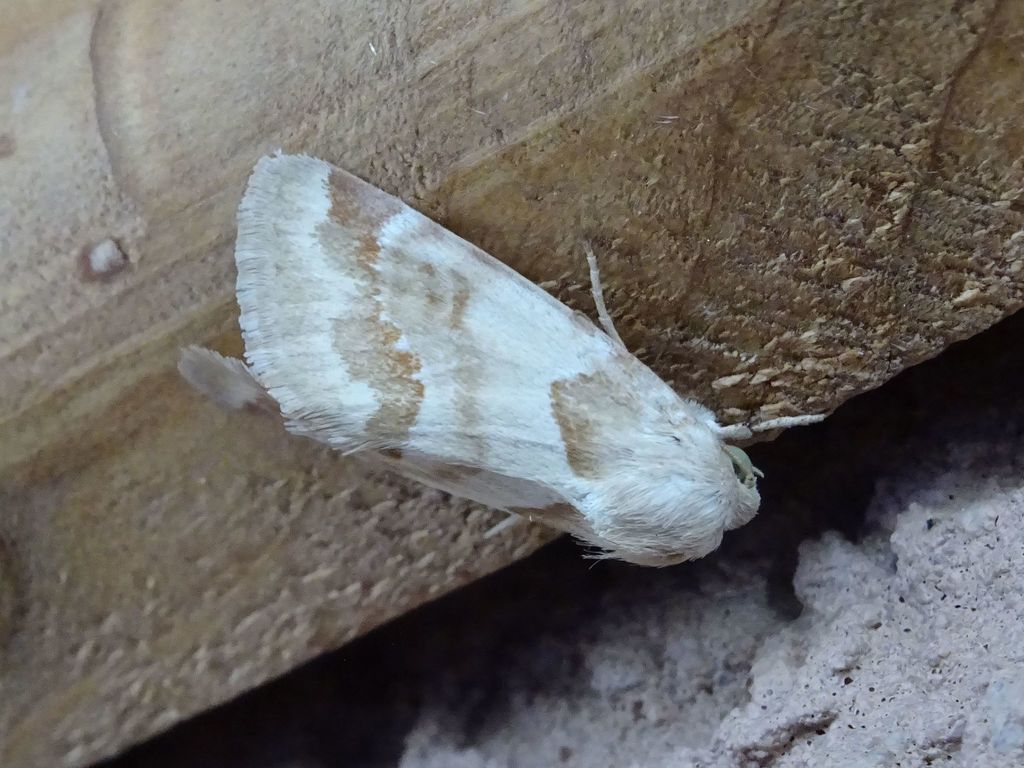
(c) Joey Bom, some rights reserved (CC BY) · licence
Family: Noctuidae · Class: Insecta · Order: Lepidoptera
Schinia walsinghami is a California animal in the Noctuidae family.
Schinia walsinghami is a moth species in the family Noctuidae, part of the diverse group commonly known as owlet moths or cutworm moths. This species belongs to the genus Schinia, which comprises numerous species of flower moths known for their close associations with specific host plants. The physical characteristics of S. walsinghami align with typical Schinia species morphology. Adult moths are generally small to medium-sized, with forewings typically measuring 8-12 millimeters in length. Like other members of the genus, the species likely displays cryptic coloration patterns that provide camouflage when resting on host plants or substrate. The forewings typically exhibit mottled patterns in earth tones, while the hindwings are usually lighter in coloration. Sexual dimorphism may be present, with males potentially having more feathered antennae than females. The current documented range and distribution of Schinia walsinghami in California remains poorly defined in available databases. Many Schinia species have restricted distributions tied to the presence of their specific host plants, suggesting this species may have similarly limited geographic occurrence. The genus is well-represented in western North America, with many species endemic to specific regions or habitat types. Habitat preferences for S. walsinghami are likely closely linked to the distribution of its host plant species, following the typical pattern observed in Schinia moths. Many species in this genus inhabit arid and semi-arid environments, including desert scrublands, chaparral, and grassland communities. Elevation preferences and specific microhabitat requirements remain undocumented for this species. The timing of adult flight periods typically coincides with the blooming period of host plants, which varies by species and geographic location. The ecology of S. walsinghami follows patterns typical of the genus, with larvae likely feeding on flowers and developing seeds of specific host plants. Schinia species are often highly specialized, with caterpillars feeding exclusively on one or a few closely related plant species. Adult moths are primarily nocturnal and are attracted to artificial lights. Mating and oviposition behaviors likely occur during evening and nighttime hours, with females depositing eggs directly on or near host plants. The conservation status of Schinia walsinghami remains unclear, with no current federal or state listing status documented. The species lacks comprehensive population data, distribution mapping, and threat assessments that would inform conservation priorities. Many Schinia species face potential threats from habitat loss, agricultural conversion, urban development, and climate change impacts on host plant distributions. The specialized nature of most Schinia species makes them potentially vulnerable to environmental changes that affect their host plants. Further taxonomic and ecological research is needed to better understand this species' conservation needs and population status in California.
Classification
Class: Insecta · Order: Lepidoptera · Family: Noctuidae
Frequently asked questions
How is Schinia walsinghami classified?
Schinia walsinghami belongs to class Insecta, order Lepidoptera, family Noctuidae.
What family does Schinia walsinghami belong to?
Schinia walsinghami is in the Noctuidae family.
What is Schinia walsinghami?
Schinia walsinghami is a moth species in the family Noctuidae, part of the diverse group commonly known as owlet moths or cutworm moths.
Is Schinia walsinghami found in California?
Yes. Schinia walsinghami is recorded in California in The California Species Project's catalogue.
Related species
Other California species in the same genus, family, or bioregion.
Data from The California Species Project — 14,000+ California species with verified data from CNPS, CDFW, USFWS, and more.