Sciopithes obscurus
Obscure root weevil
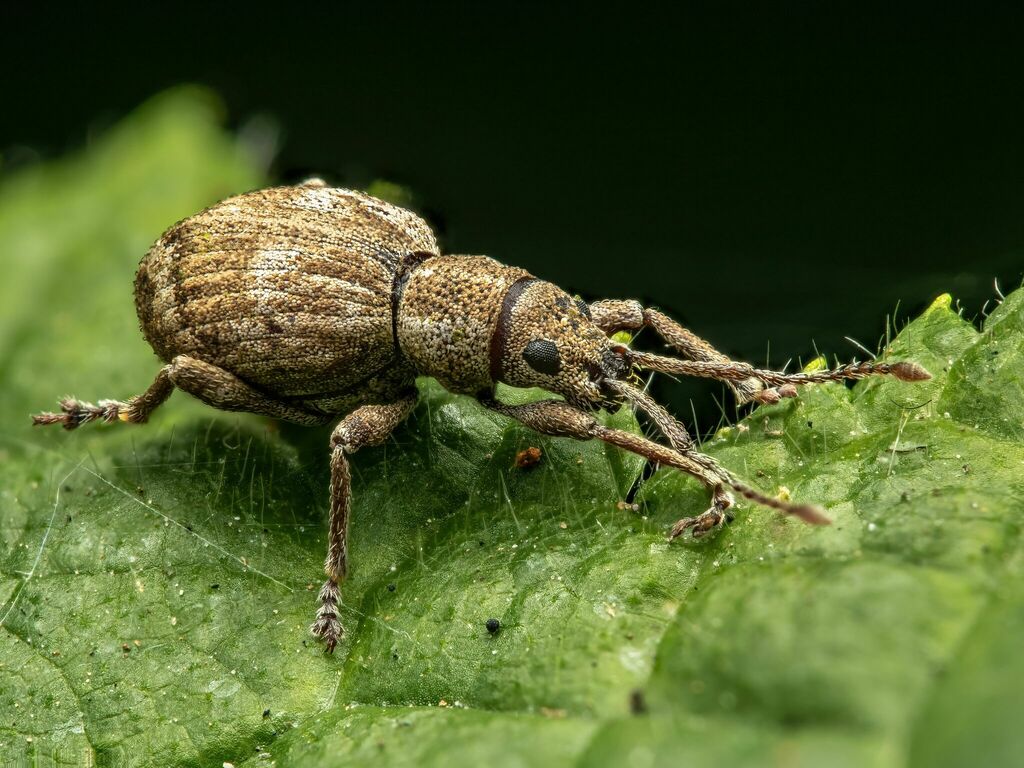
(c) Zachary Dankowicz, some rights reserved (CC BY) · licence
Family: Curculionidae · Class: Insecta · Order: Coleoptera
Sciopithes obscurus (Obscure root weevil) is a California animal in the Curculionidae family.
The obscure root weevil is a small beetle in the family Curculionidae, characterized by the elongated snout typical of weevils. Physical descriptions of this species remain limited in the scientific literature, reflecting the general lack of detailed morphological studies for many members of this diverse beetle family. Like other root weevils, adults likely measure between 3-8 mm in length, though specific measurements for S. obscurus have not been well documented. The species occurs across a broad range of North America, with documented populations extending from Texas in the south to New York in the northeast. According to BugGuide, the obscure root weevil has been identified as a Species of Greatest Conservation Need in multiple states, including New York, Louisiana, and Texas, indicating conservation concerns across much of its range. The species' presence in California has not been definitively documented in available records. Habitat requirements for S. obscurus remain poorly understood. As suggested by its common name, this weevil likely feeds on plant roots during its larval stage, though specific host plant associations have not been established. Root weevils typically inhabit soil environments where larvae develop by feeding on root systems of various herbaceous plants and shrubs. Adults are often found in association with low vegetation, leaf litter, or under debris near their larval host plants. The life cycle of the obscure root weevil follows the typical pattern of root weevils, with eggs laid in soil near host plants. Larvae develop underground, feeding on root systems, while adults emerge to feed on foliage and complete the reproductive cycle. Specific details regarding seasonal activity patterns, reproductive timing, and generation cycles have not been documented for this species. Like many weevils, adults are likely flightless or have reduced flight capability. The conservation status of S. obscurus reflects broader concerns about declining insect populations, particularly among specialized species with specific habitat requirements. Its designation as a Species of Greatest Conservation Need in multiple states suggests population declines or habitat threats, though specific threat assessments have not been published. According to state wildlife action plans, the species' current status was evaluated based on factors including abundance and population trends (New York State 2015). Primary threats likely include habitat loss, agricultural intensification, and pesticide use, which affect many soil-dwelling insects. The limited scientific documentation for this species exemplifies the challenges facing entomological research, where many described species lack basic ecological and biological information. This knowledge gap hampers conservation efforts and population monitoring. Further research is needed to establish host plant relationships, habitat preferences, distribution patterns, and population status to develop effective conservation strategies. Detailed ecological studies of this species are lacking. The above information synthesizes available observations from state wildlife databases and taxonomic records. Additional field research is needed to document the species' biology, distribution, and specific conservation requirements.
Classification
Class: Insecta · Order: Coleoptera · Family: Curculionidae
Frequently asked questions
How is Sciopithes obscurus classified?
Sciopithes obscurus belongs to class Insecta, order Coleoptera, family Curculionidae.
What family does Sciopithes obscurus belong to?
Sciopithes obscurus is in the Curculionidae family.
What is Sciopithes obscurus?
The obscure root weevil is a small beetle in the family Curculionidae, characterized by the elongated snout typical of weevils.
Is Sciopithes obscurus found in California?
Yes. Sciopithes obscurus is recorded in California in The California Species Project's catalogue.
Related species
Other California species in the same genus, family, or bioregion.
Data from The California Species Project — 14,000+ California species with verified data from CNPS, CDFW, USFWS, and more.