Scomber japonicus
Pacific Chub Mackerel
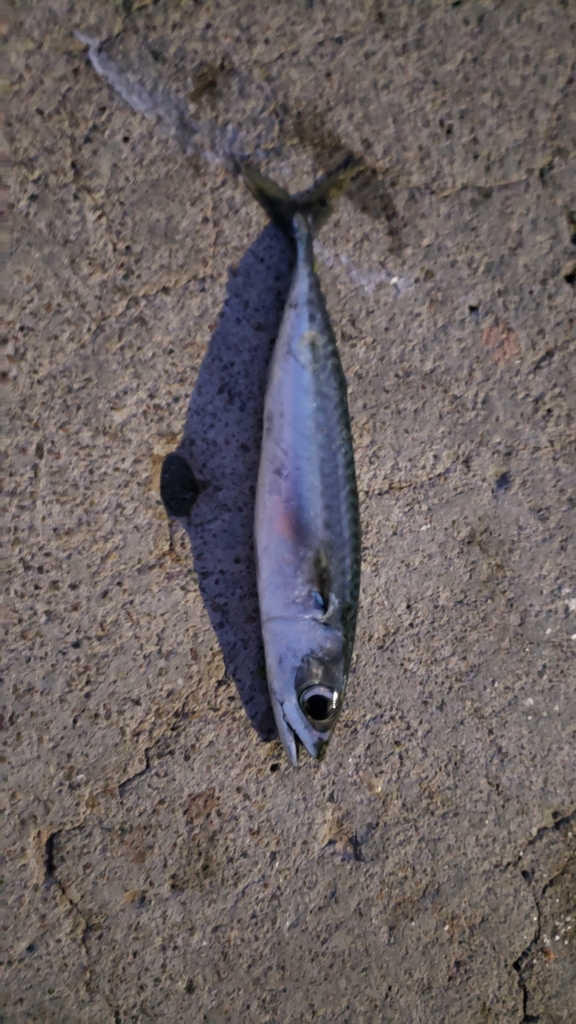
no rights reserved · CC0
Family: Scombridae · Class: Actinopterygii · Order: Scombriformes
Scomber japonicus (Pacific Chub Mackerel) is a California animal in the Scombridae family.
Pacific chub mackerel is a commercially important pelagic fish species found throughout California's coastal waters. Adults typically measure 25 to 35 cm (10 to 14 inches) in length, though they can reach up to 64 cm (25 inches). The body is elongated and streamlined with a metallic blue-green dorsal surface that fades to silver on the sides and belly. Distinctive wavy black lines cross the back and upper sides, distinguishing this species from Pacific mackerel. The mouth is moderately large with small, sharp teeth, and the species possesses two widely separated dorsal fins. Pacific chub mackerel ranges throughout the eastern Pacific Ocean from Alaska to Baja California, Mexico. In California waters, the species is found from the nearshore environment to depths of approximately 300 meters (984 feet) over the continental shelf. The species exhibits seasonal migration patterns, moving northward during warmer months and southward during cooler periods. California populations are most abundant in waters from Point Conception southward to the Mexican border. This species inhabits pelagic and semi-pelagic environments, preferring waters with temperatures between 13°C and 25°C (55°F to 77°F). Pacific chub mackerel forms large schools in the water column, typically found from the surface to depths of 183 meters (600 feet). The species shows preference for areas with upwelling and high productivity, often associated with seamounts, continental shelf breaks, and areas where different water masses converge. Pacific chub mackerel are opportunistic predators that feed primarily on zooplankton, small fish, and squid. Their diet includes copepods, krill, anchovies, sardines, and larval fish. As documented in marine species reports, Pacific chub mackerel serves as important prey for numerous predators including white seabass, California sea lions, sharks, and various seabird species. The species reaches sexual maturity at approximately 2 to 3 years of age. Spawning occurs year-round in California waters with peak activity from April through September. Females can produce between 100,000 to 400,000 pelagic eggs per spawning event, with multiple spawning episodes per season. Pacific chub mackerel is not federally or state listed as threatened or endangered as of December 2025. The species supports both commercial and recreational fisheries in California and is managed under the Pacific Fishery Management Council's Coastal Pelagic Species Fishery Management Plan. Population levels are considered stable, though the species exhibits natural fluctuations related to oceanographic conditions and climate cycles such as El Niño and La Niña events. The California Department of Fish and Wildlife monitors populations through regular stock assessments and landing data. Primary management concerns include ensuring sustainable harvest levels and monitoring for potential impacts from climate change on distribution and abundance patterns.
Classification
Class: Actinopterygii · Order: Scombriformes · Family: Scombridae
Frequently asked questions
How is Scomber japonicus classified?
Scomber japonicus belongs to class Actinopterygii, order Scombriformes, family Scombridae.
What family does Scomber japonicus belong to?
Scomber japonicus is in the Scombridae family.
What is Scomber japonicus?
Pacific chub mackerel is a commercially important pelagic fish species found throughout California's coastal waters.
Is Scomber japonicus found in California?
Yes. Scomber japonicus is recorded in California in The California Species Project's catalogue.
More California species
This species has no close relatives in our California data — here are other species to explore.
Data from The California Species Project — 14,000+ California species with verified data from CNPS, CDFW, USFWS, and more.