Scopula fuscata
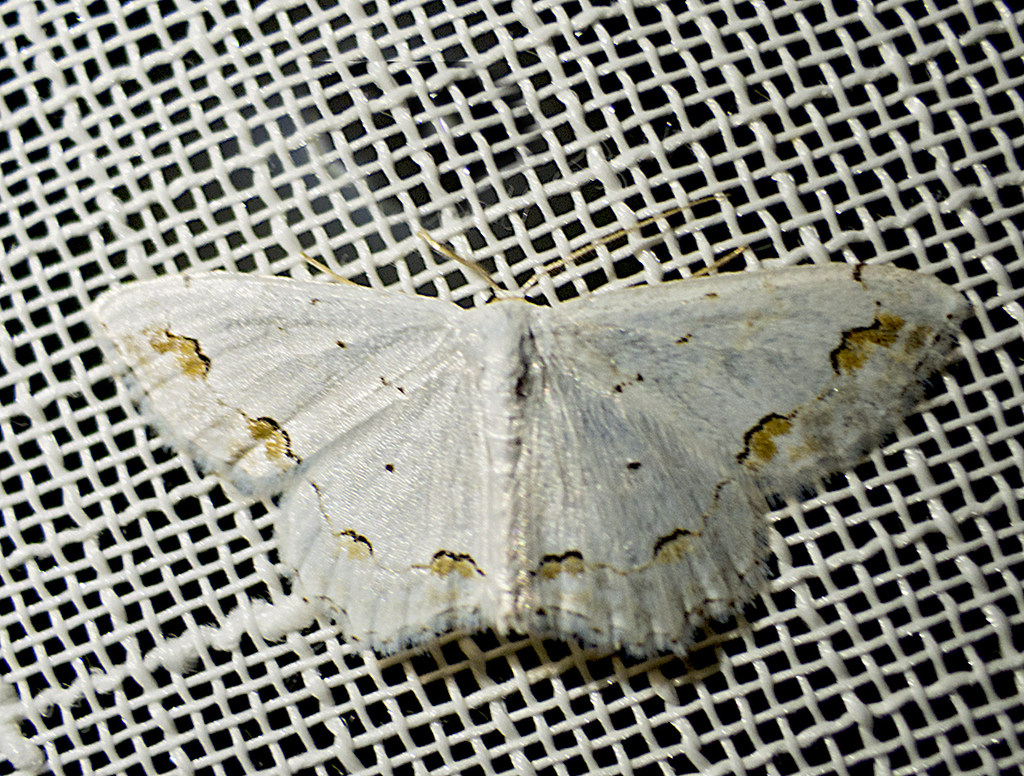
(c) katunchik, some rights reserved (CC BY) · licence
Family: Geometridae · Class: Insecta · Order: Lepidoptera
Scopula fuscata is a California animal in the Geometridae family.
Scopula fuscata is a small geometrid moth in the family Geometridae, subfamily Sterrhinae. This species belongs to the diverse genus Scopula, which contains numerous small, delicate moths distributed across various regions. Adult moths typically measure 15 to 25 mm in wingspan, characteristic of the Scopula genus. The wings are generally pale with subtle markings, though specific coloration patterns for this species require further documentation. The distribution and range of Scopula fuscata remain poorly documented in current taxonomic literature. While the genus Scopula is represented throughout North America, including California, the specific range of S. fuscata has not been clearly established in accessible databases or recent surveys. This data gap represents a significant limitation in understanding the species' biogeographic patterns and potential conservation needs. Habitat preferences for Scopula fuscata are not well-documented in current literature. Most Scopula species typically inhabit areas with low-growing vegetation, including grasslands, shrublands, and forest edges. Many species in this genus are associated with specific plant communities that support their larval host plants, though the particular habitat requirements for S. fuscata remain undefined. Elevation ranges and microhabitat preferences have not been established for this species. The life history and ecological requirements of Scopula fuscata are not well-documented in current taxonomic and ecological literature. Adult flight periods, larval host plants, and reproductive biology remain largely unknown. Most Scopula species are univoltine or bivoltine, with adults typically active during warmer months. Larvae of related species often feed on low-growing herbaceous plants, particularly those in families such as Rubiaceae, though specific host plant associations for S. fuscata have not been confirmed. Overwintering strategies and seasonal activity patterns require further investigation. The conservation status of Scopula fuscata cannot be adequately assessed due to insufficient data regarding its distribution, population size, and ecological requirements. The species lacks federal or state conservation listings, and its global conservation status remains unranked. This absence of status designation likely reflects limited survey effort and taxonomic uncertainty rather than confirmed stability. The genus Scopula includes several species of conservation concern in various regions, suggesting that comprehensive surveys and taxonomic review may be necessary to properly assess the status of S. fuscata. Potential threats cannot be evaluated without understanding the species' habitat requirements and distribution patterns. Climate change, habitat modification, and invasive species represent general concerns for many geometrid moths, though their specific impacts on S. fuscata remain unknown. Further research is needed to establish baseline population data and habitat requirements necessary for effective conservation planning.
Classification
Class: Insecta · Order: Lepidoptera · Family: Geometridae
Frequently asked questions
How is Scopula fuscata classified?
Scopula fuscata belongs to class Insecta, order Lepidoptera, family Geometridae.
What family does Scopula fuscata belong to?
Scopula fuscata is in the Geometridae family.
What is Scopula fuscata?
Scopula fuscata is a small geometrid moth in the family Geometridae, subfamily Sterrhinae.
Is Scopula fuscata found in California?
Yes. Scopula fuscata is recorded in California in The California Species Project's catalogue.
Related species
Other California species in the same genus, family, or bioregion.
Data from The California Species Project — 14,000+ California species with verified data from CNPS, CDFW, USFWS, and more.