Scotogramma deffessa
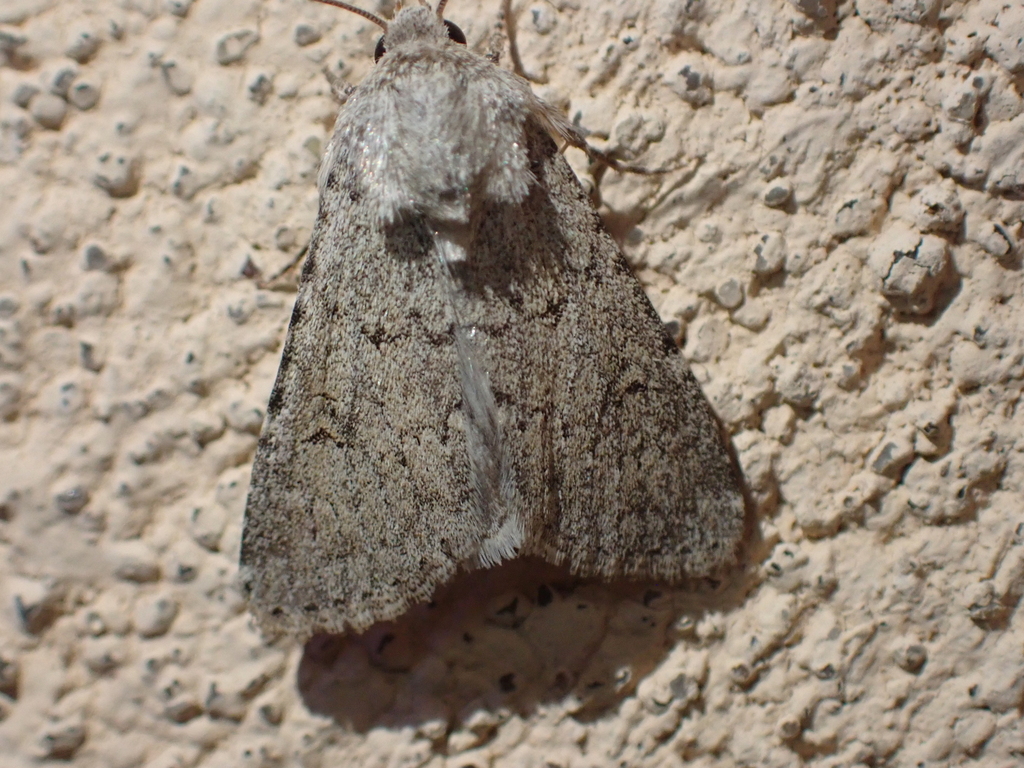
no rights reserved · CC0
Family: Noctuidae · Class: Insecta · Order: Lepidoptera
Scotogramma deffessa is a California animal in the Noctuidae family.
Scotogramma deffessa is a moth species in the family Noctuidae, commonly known as owlet moths or cutworm moths. This nocturnal lepidopteran belongs to a genus of moths that are typically medium-sized with cryptic wing patterns that provide camouflage during daytime resting periods. Members of the genus Scotogramma are characterized by forewings with subtle brown and gray mottled patterns and hindwings that are generally lighter in coloration. The wingspan typically ranges from 25 to 35 millimeters (1.0 to 1.4 inches), though specific measurements for S. deffessa are not well-documented in readily available literature. The distribution and range of Scotogramma deffessa appear to be poorly documented, with limited occurrence records available in standard lepidopteran databases. The species may occur in western North America based on the distribution patterns of related Scotogramma species, but specific locality records and range boundaries require further verification through museum collections and field surveys. Habitat preferences for this species are not well-established in current literature. Related species in the genus Scotogramma typically inhabit dry grasslands, shrublands, and open woodland areas at various elevations. These moths generally prefer areas with sparse to moderate vegetation cover where their cryptic coloration provides effective camouflage against tree bark, rocks, and dried vegetation during daylight hours. The life history and ecological requirements of Scotogramma deffessa remain largely unknown. Most noctuids have complete metamorphosis with egg, larval, pupal, and adult stages. Adult moths are typically active during nighttime hours and are attracted to artificial lights. Larvae of related species often feed on grasses and herbaceous plants, developing through multiple instars before pupating in soil or leaf litter. The timing of flight periods, number of generations per year, and specific host plant associations for S. deffessa have not been well-documented. The conservation status of Scotogramma deffessa is uncertain due to limited distributional and ecological data. The species does not appear on federal or state endangered species lists, nor does it have an established conservation ranking through NatureServe or the International Union for Conservation of Nature. This lack of status information likely reflects insufficient survey data rather than confirmed population stability. Many moth species remain poorly studied compared to butterflies and other more conspicuous insects, creating significant knowledge gaps in their distribution, abundance, and conservation needs. Further research is needed to establish baseline population data, habitat requirements, and potential conservation concerns for this species.
Classification
Class: Insecta · Order: Lepidoptera · Family: Noctuidae
Frequently asked questions
How is Scotogramma deffessa classified?
Scotogramma deffessa belongs to class Insecta, order Lepidoptera, family Noctuidae.
What family does Scotogramma deffessa belong to?
Scotogramma deffessa is in the Noctuidae family.
What is Scotogramma deffessa?
Scotogramma deffessa is a moth species in the family Noctuidae, commonly known as owlet moths or cutworm moths.
Is Scotogramma deffessa found in California?
Yes. Scotogramma deffessa is recorded in California in The California Species Project's catalogue.
Related species
Other California species in the same genus, family, or bioregion.
Data from The California Species Project — 14,000+ California species with verified data from CNPS, CDFW, USFWS, and more.