Scytonotus simplex
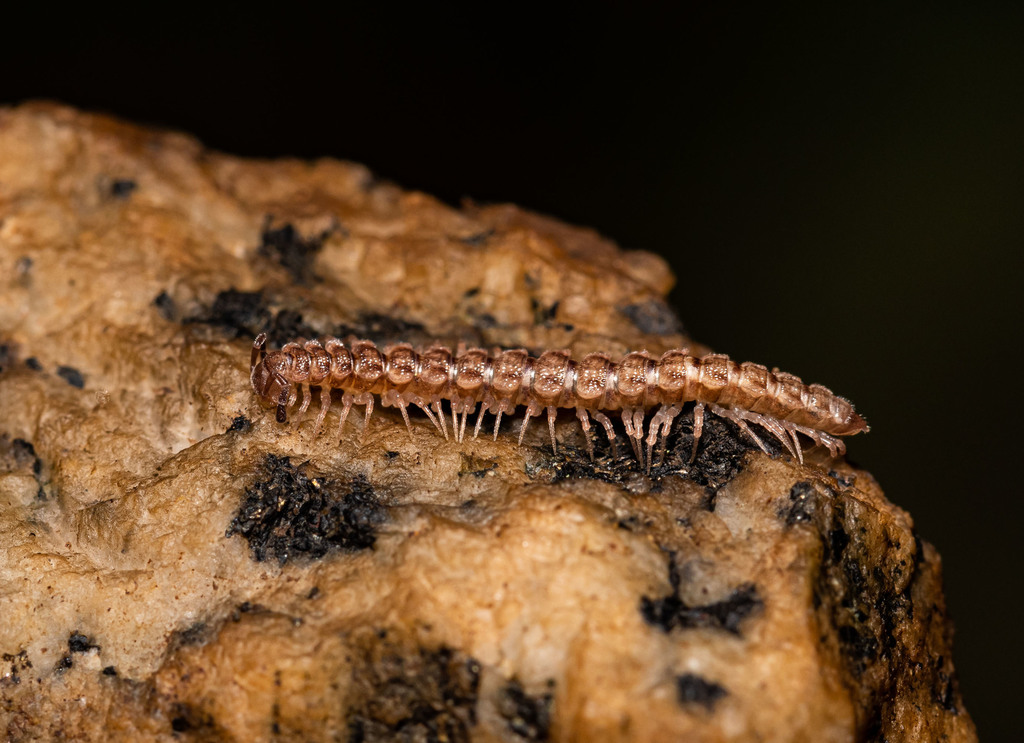
(c) Jeremiah Degenhardt, some rights reserved (CC BY) · licence
Family: Polydesmidae · Class: Diplopoda · Order: Polydesmida
Scytonotus simplex is a California animal in the Polydesmidae family.
Scytonotus simplex is a millipede species belonging to the order Polydesmida within the family Polydesmidae. As a member of the class Diplopoda, this arthropod exhibits the characteristic segmented body plan typical of millipedes, with each segment bearing two pairs of legs. The species is classified within the infraclass Diplopoda and suborder Polydesmidea, indicating its placement among the flat-backed millipedes that comprise one of the most diverse groups of diplopods. The range and distribution of Scytonotus simplex have not been comprehensively documented in available scientific literature. The species appears in the U.S. Fish and Wildlife Service taxonomic database, suggesting it occurs within areas of federal interest or concern, though specific geographic boundaries remain unclear. Like other members of the genus Scytonotus, this species likely has a restricted distribution, as many polydesmid millipedes exhibit limited dispersal capabilities and narrow habitat requirements. Habitat preferences for Scytonotus simplex are not well-documented in current scientific literature. Most polydesmid millipedes typically inhabit moist environments such as leaf litter, rotting wood, and soil layers in forested areas. These arthropods require consistent moisture levels to prevent desiccation, as they lack the waxy cuticle found in many other terrestrial arthropods. The species likely occurs in similar microhabitats, including the organic layer of forest floors, beneath fallen logs, or within decomposing plant material. Ecological information specific to Scytonotus simplex remains limited. Like other millipedes in the family Polydesmidae, this species is presumably a detritivore, feeding primarily on decomposing organic matter including fallen leaves, rotting wood, and other plant debris. Millipedes play important roles in nutrient cycling and soil formation through their feeding activities and waste production. Reproductive behavior likely follows the general pattern of polydesmid millipedes, involving direct transfer of sperm packets during mating, though specific details for this species have not been documented. The conservation status of Scytonotus simplex is not clearly established. The species lacks federal listing under the Endangered Species Act and does not appear to have a designated conservation rank from NatureServe or other conservation organizations. The inclusion of this species in the U.S. Fish and Wildlife Service taxonomic database may indicate some level of conservation interest, but specific population trends, threats, or conservation needs have not been documented in available literature. Many millipede species face potential threats from habitat loss, fragmentation, and environmental changes that affect soil moisture and organic matter availability. Scientific documentation for this species remains extremely limited. The information presented here is based on taxonomic classification from the U.S. Fish and Wildlife Service database and general knowledge of polydesmid millipede ecology. Detailed biological studies, distribution surveys, and ecological assessments are needed to better understand this species' requirements and conservation status.
Classification
Class: Diplopoda · Order: Polydesmida · Family: Polydesmidae
Frequently asked questions
How is Scytonotus simplex classified?
Scytonotus simplex belongs to class Diplopoda, order Polydesmida, family Polydesmidae.
What family does Scytonotus simplex belong to?
Scytonotus simplex is in the Polydesmidae family.
What is Scytonotus simplex?
Scytonotus simplex is a millipede species belonging to the order Polydesmida within the family Polydesmidae.
Is Scytonotus simplex found in California?
Yes. Scytonotus simplex is recorded in California in The California Species Project's catalogue.
Related species
Other California species in the same genus, family, or bioregion.
Data from The California Species Project — 14,000+ California species with verified data from CNPS, CDFW, USFWS, and more.