Sebastes chrysomelas
Black-and-yellow Rockfish
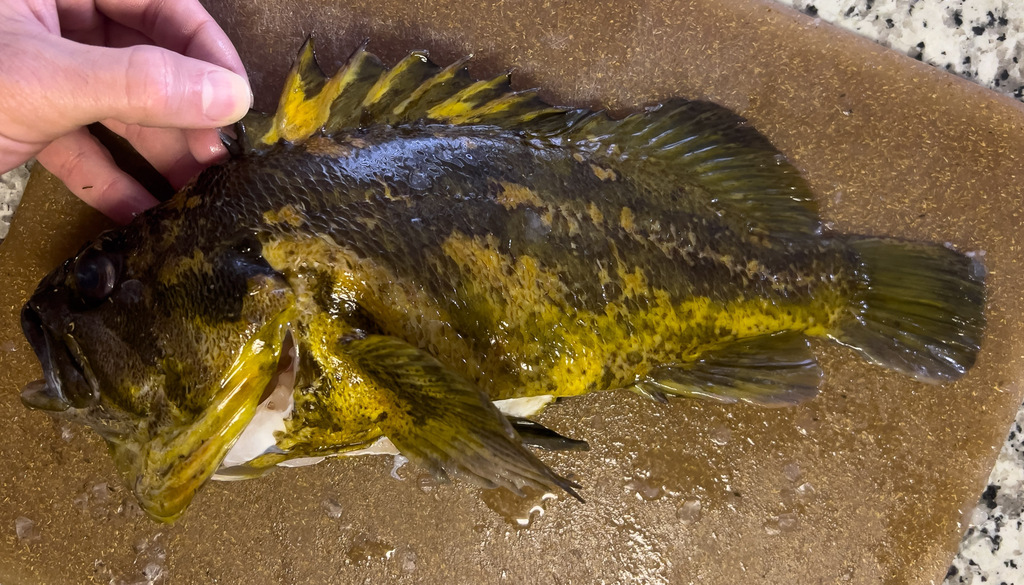
(c) Will Sides, some rights reserved (CC BY) · licence
Family: Scorpaenidae · Class: Actinopterygii · Order: Scorpaeniformes
Sebastes chrysomelas (Black-and-yellow Rockfish) is a California animal in the Scorpaenidae family.
The black-and-yellow rockfish is a medium-sized marine fish reaching lengths of 25 to 38 cm (10 to 15 inches), with a maximum recorded length of 39 cm. The species displays distinctive coloration with a dark body marked by bright yellow to orange-yellow blotches, stripes, or mottling that creates a striking contrast pattern. The body is laterally compressed with a relatively large head and prominent eyes typical of the Sebastes genus. Like all rockfish, the species possesses venomous spines in the dorsal, anal, and pelvic fins that can cause painful wounds. Black-and-yellow rockfish occur along the Pacific coast from British Columbia, Canada, to Baja California, Mexico. In California, the species is distributed from the Oregon border south to Point Conception, with populations concentrated in central and northern California waters. The species inhabits nearshore marine environments from the intertidal zone to depths of approximately 37 meters (120 feet), though it is most commonly found in waters less than 20 meters deep. This rockfish species shows strong habitat fidelity to rocky substrates, including natural rock formations, boulder fields, and artificial structures such as jetties and pier pilings. Adults occupy holes, crevices, and caves in rocky reefs, often remaining within a small home range throughout their lives. Juveniles utilize shallower rocky areas and kelp beds for protection from predators. The species demonstrates site fidelity, with individuals often returning to the same shelter sites. Black-and-yellow rockfish are carnivorous, feeding primarily on small invertebrates including crustaceans, polychaete worms, and small mollusks. They are ambush predators that remain motionless near rocky crevices before striking at passing prey. The species exhibits ovoviviparous reproduction, with females giving birth to live young after internal fertilization. Mating occurs in fall and winter, with females releasing larvae in spring after a gestation period of several months. Larvae are pelagic, drifting in the water column for several weeks before settling to benthic habitats as juveniles. Sexual maturity is reached at approximately 4 to 6 years of age. The species can live for over 20 years and grows slowly, making it vulnerable to overfishing. Black-and-yellow rockfish are managed as part of the nearshore rockfish complex under both state and federal regulations. While not currently listed as threatened or endangered, the species has experienced fishing pressure in some areas. California Department of Fish and Wildlife monitors populations through various survey programs and implements size limits, bag limits, and seasonal closures to ensure sustainable harvest. The species' dependence on rocky reef habitats makes it vulnerable to habitat degradation from coastal development, pollution, and climate change effects on marine ecosystems.
Classification
Class: Actinopterygii · Order: Scorpaeniformes · Family: Scorpaenidae
Frequently asked questions
How is Sebastes chrysomelas classified?
Sebastes chrysomelas belongs to class Actinopterygii, order Scorpaeniformes, family Scorpaenidae.
What family does Sebastes chrysomelas belong to?
Sebastes chrysomelas is in the Scorpaenidae family.
What is Sebastes chrysomelas?
The black-and-yellow rockfish is a medium-sized marine fish reaching lengths of 25 to 38 cm (10 to 15 inches), with a maximum recorded length of 39 cm.
Is Sebastes chrysomelas found in California?
Yes. Sebastes chrysomelas is recorded in California in The California Species Project's catalogue.
Related species
Other California species in the same genus, family, or bioregion.
Data from The California Species Project — 14,000+ California species with verified data from CNPS, CDFW, USFWS, and more.