Semioscopis inornata
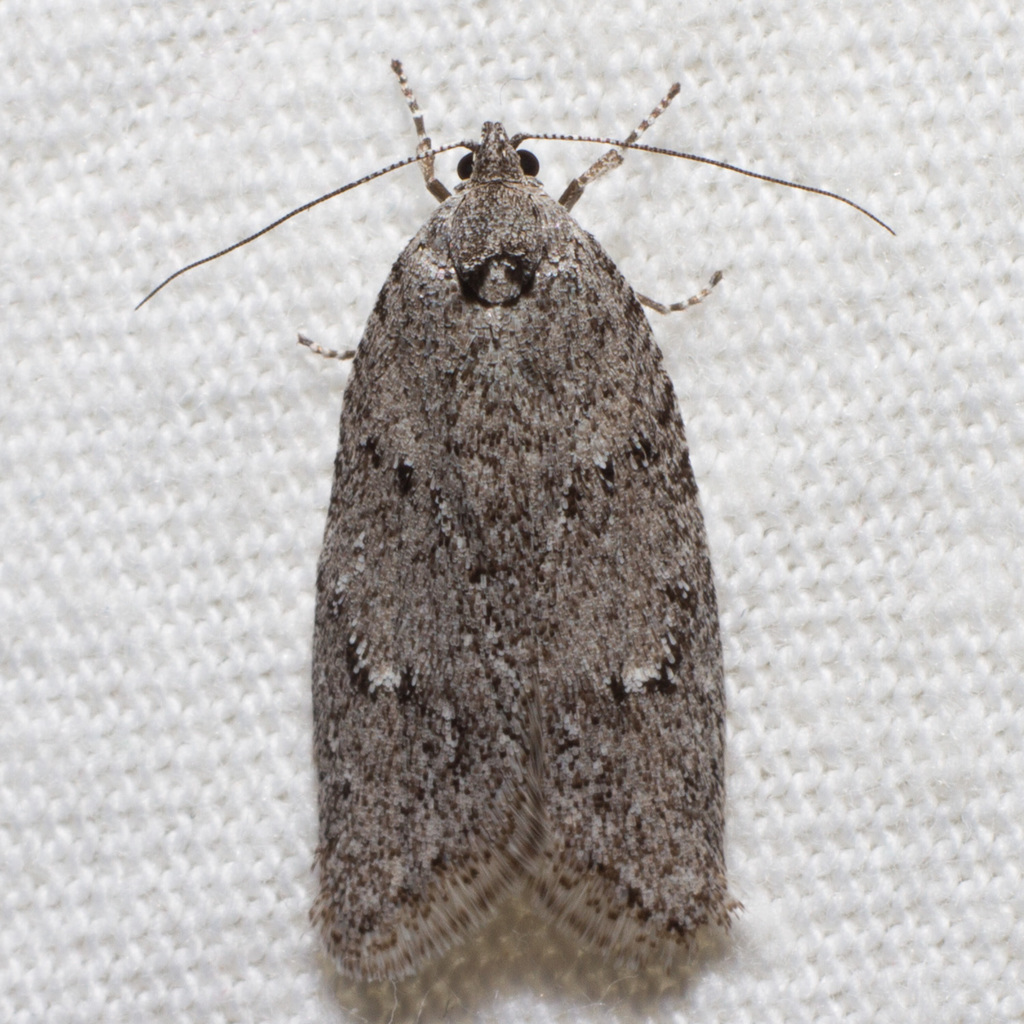
(c) Fyn Kynd, some rights reserved (CC BY-SA) · licence
Family: Depressariidae · Class: Insecta · Order: Lepidoptera
Semioscopis inornata is a California animal in the Depressariidae family.
Semioscopis inornata, commonly known as the poplar micromoth or dull flatbody moth, is a small moth in the family Depressariidae. This species was described by Walsingham in 1882 and represents one of the lesser-documented microlepidoptera of North America (iNaturalist). Adult poplar micromoths are small, with forewings typically measuring 8-12 mm in length. The species is characterized by its dull, brownish-gray coloration with minimal distinctive markings, which aligns with its common name "dull flatbody moth." The forewings are elongated and narrow, typical of the Depressariidae family, with indistinct crosslines and a generally muted appearance that provides effective camouflage when resting on tree bark. The species occurs throughout Canada and the northern United States, with its range extending into California's northern regions (iNaturalist). In North America, this moth is distributed across temperate forest zones where suitable host plants are present. The California population likely represents the southern extent of the species' range, occurring primarily in montane and subalpine forests where poplar and willow species grow. Poplar micromoths inhabit deciduous and mixed forest environments, particularly areas supporting members of the Salicaceae family. The species shows a strong association with riparian zones, forest edges, and clearings where host plants thrive. Adults are typically found in proximity to aspen groves, cottonwood stands, and willow thickets, which provide both larval food sources and adult shelter. Larvae feed exclusively on plants in the Salicaceae family, including poplar (Populus) and willow (Salix) species (Moth Photographers Group). The caterpillars likely develop within folded or webbed leaves, creating shelter while feeding on leaf tissue. This feeding behavior is characteristic of many Depressariidae species, which are often called "concealer moths" due to their larvae's habit of creating protective shelters. Adult flight periods in northern regions typically occur during late spring and summer months, with moths attracted to artificial lights during evening hours. Like many microlepidoptera, the poplar micromoth's activity patterns and detailed life history remain poorly documented in scientific literature. Adults are presumed to be nocturnal, emerging after sunset to mate and seek oviposition sites on host plants. The species likely produces one generation per year in northern climates, with larvae overwintering in leaf litter or bark crevices. No specific conservation status has been assigned to Semioscopis inornata, and it is not listed under federal or state protection programs. The species' dependence on Salicaceae host plants suggests that forest management practices affecting riparian zones could influence local populations. Climate change impacts on montane forest ecosystems may affect the species' distribution, particularly at the southern margins of its range in California. Scientific documentation for this species remains limited. The information presented here is based on available sources including taxonomic databases and citizen science observations. If you have additional verified information about this species' biology, distribution, or ecology, please contact us to help improve this species account.
Classification
Class: Insecta · Order: Lepidoptera · Family: Depressariidae
Frequently asked questions
How is Semioscopis inornata classified?
Semioscopis inornata belongs to class Insecta, order Lepidoptera, family Depressariidae.
What family does Semioscopis inornata belong to?
Semioscopis inornata is in the Depressariidae family.
What is Semioscopis inornata?
Semioscopis inornata, commonly known as the poplar micromoth or dull flatbody moth, is a small moth in the family Depressariidae.
Is Semioscopis inornata found in California?
Yes. Semioscopis inornata is recorded in California in The California Species Project's catalogue.
Related species
Other California species in the same genus, family, or bioregion.
Data from The California Species Project — 14,000+ California species with verified data from CNPS, CDFW, USFWS, and more.