Sesia tibialis
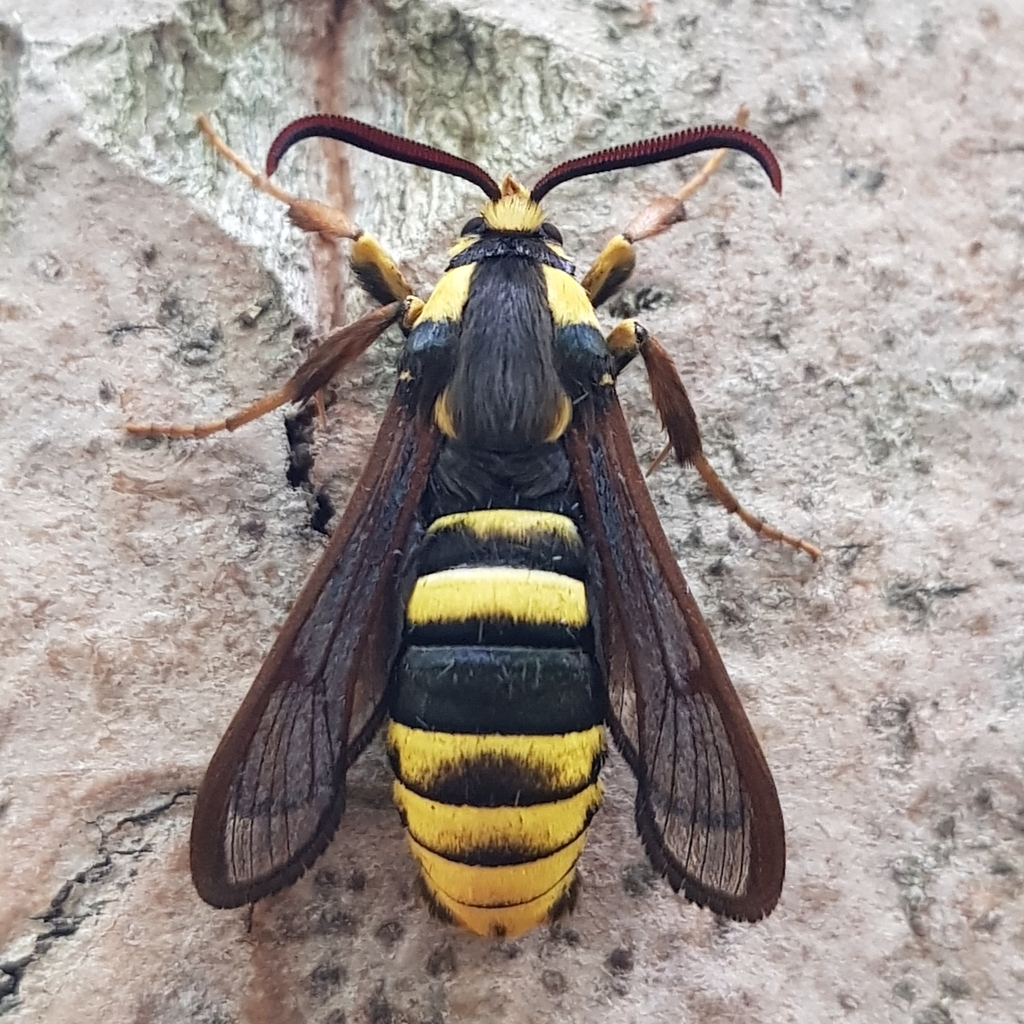
(c) Дмитрий Кардашин, some rights reserved (CC BY) · licence
Family: Sesiidae · Class: Insecta · Order: Lepidoptera
Sesia tibialis is a California animal in the Sesiidae family.
Sesia tibialis is a clearwing moth in the family Sesiidae, a group characterized by transparent wing patches that provide mimetic resemblance to wasps and bees. This species belongs to a diverse family of day-flying moths found throughout North America, though specific morphological details for S. tibialis remain poorly documented in accessible literature. The geographic range and distribution of Sesia tibialis in California is not well-established in current taxonomic databases. Sesiidae moths are generally distributed across temperate regions of North America, with various species occupying distinct ecological niches from sea level to montane environments. Without verified occurrence records, the specific counties or bioregions where S. tibialis occurs in California cannot be definitively stated. Clearwing moths typically inhabit areas where their host plants are abundant, as larvae are wood-boring specialists that develop within the stems, trunks, or roots of specific plant species. Sesiidae species often show strong host plant specificity, with different species associated with particular genera or families of woody plants. The habitat requirements for S. tibialis likely correspond to areas supporting its preferred host plants, though these associations have not been thoroughly documented. Like other members of Sesiidae, S. tibialis likely exhibits diurnal flight behavior, with adults active during daylight hours when they engage in Batesian mimicry of stinging Hymenoptera. Adult clearwing moths typically feed on flower nectar and are important pollinators for various plant species. Larvae develop as internal feeders within host plant tissues, creating tunnels as they consume cambium and wood. The species likely produces one generation per year, with adults emerging during specific seasonal windows that correspond to optimal conditions for mating and oviposition. Females deposit eggs on or near suitable host plants, and newly hatched larvae bore into plant tissues where they complete development over several months to a full year. Female clearwing moths locate appropriate oviposition sites through chemical cues from host plants, and mating typically involves pheromone communication between sexes. Adults have relatively short lifespans focused on reproduction, while the larval stage represents the primary growth and development period. The conservation status of Sesia tibialis has not been formally assessed by state or federal agencies. Many Sesiidae species are poorly studied, with limited information available regarding population trends, threats, or conservation needs. The lack of comprehensive surveys for clearwing moths in California means that the current status of S. tibialis remains unknown. Potential threats to Sesiidae species generally include habitat loss, pesticide applications, and changes in host plant availability due to land use modifications or invasive species. Climate change may also affect the synchronization between adult emergence and optimal environmental conditions for reproduction and larval development.
Classification
Class: Insecta · Order: Lepidoptera · Family: Sesiidae
Frequently asked questions
How is Sesia tibialis classified?
Sesia tibialis belongs to class Insecta, order Lepidoptera, family Sesiidae.
What family does Sesia tibialis belong to?
Sesia tibialis is in the Sesiidae family.
What is Sesia tibialis?
Sesia tibialis is a clearwing moth in the family Sesiidae, a group characterized by transparent wing patches that provide mimetic resemblance to wasps and bees.
Is Sesia tibialis found in California?
Yes. Sesia tibialis is recorded in California in The California Species Project's catalogue.
Related species
Other California species in the same genus, family, or bioregion.
Data from The California Species Project — 14,000+ California species with verified data from CNPS, CDFW, USFWS, and more.