Setophaga petechia sonorana
Sonoran Yellow Warbler
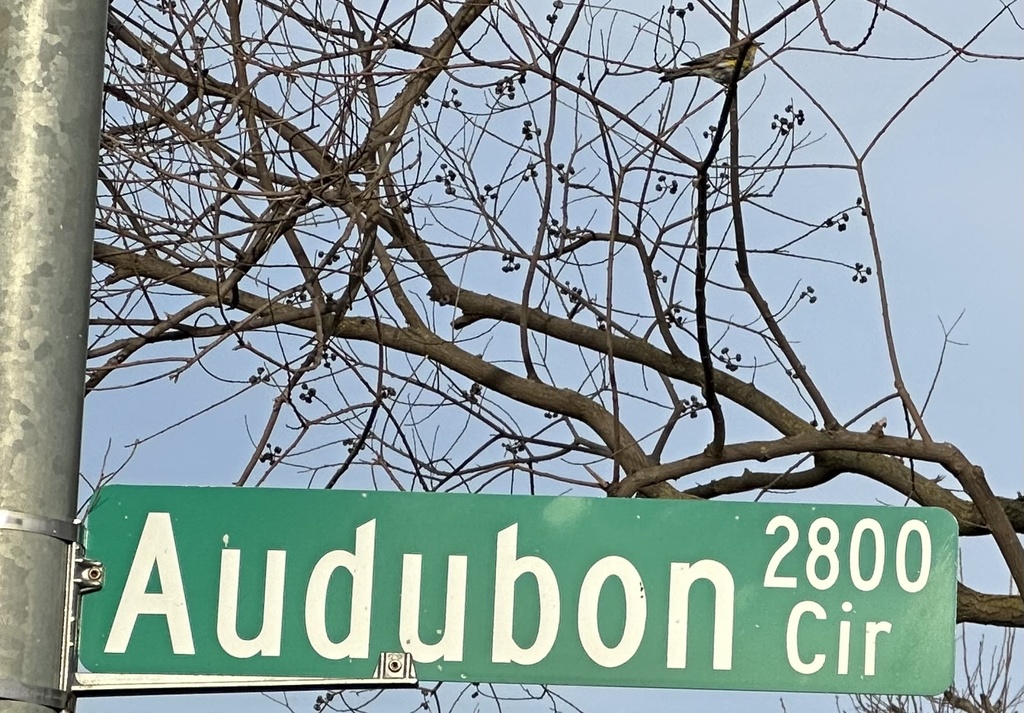
(c) Jonathan Eisen, some rights reserved (CC BY) · licence
Family: Parulidae · Class: Aves · Order: Passeriformes
Conservation status: G5T2T3 S2
Setophaga petechia sonorana (Sonoran Yellow Warbler) is a California animal in the Parulidae family.
The Sonoran Yellow Warbler (Setophaga petechia sonorana) is a subspecies of the Yellow Warbler distinguished by its slightly larger size and paler plumage compared to northern populations. Adult males display bright yellow heads and underparts with olive-yellow backs and distinctive reddish-brown streaking across the breast and flanks. Females are duller overall, with olive-gray upperparts and pale yellow underparts, often lacking the prominent breast streaking. Both sexes measure approximately 11.5 to 12.7 cm (4.5 to 5.0 inches) in length with a wingspan of 16 to 20 cm (6.3 to 7.9 inches). This subspecies has a restricted range in the southwestern United States and northwestern Mexico, occurring primarily in riparian corridors along the Colorado River and its tributaries in Arizona and California. In California, the Sonoran Yellow Warbler is found along the Colorado River from Needles south to the Mexican border, with additional populations documented in desert oases and riparian areas in Imperial and eastern Riverside counties. The subspecies also occurs in similar habitats throughout Arizona and extends into Sonora, Mexico. Sonoran Yellow Warblers are closely associated with mature riparian woodland habitats dominated by cottonwoods (Populus fremontii), willows (Salix gooddingii), and mesquite (Prosopis species). They prefer areas with dense canopy cover and multi-layered vegetation structure, typically selecting territories within 100 meters of permanent water sources. The subspecies occurs from sea level along the Colorado River to approximately 610 meters (2,000 feet) elevation in desert mountain canyons. During the breeding season, which extends from April through July, males establish territories through persistent singing from prominent perches. Females construct cup-shaped nests in the forks of deciduous trees, typically 1.5 to 4.6 meters (5 to 15 feet) above ground. Clutches contain 3 to 5 pale blue or greenish eggs marked with brown spots. The species is primarily insectivorous, gleaning caterpillars, aphids, and other soft-bodied arthropods from foliage and bark surfaces. Adults may supplement their diet with small fruits during migration and winter months. The Sonoran Yellow Warbler is designated as a California Species of Special Concern due to significant habitat loss and population declines throughout its range. According to the California Department of Fish and Wildlife, the subspecies has experienced substantial reductions in breeding populations, primarily attributed to destruction and degradation of riparian habitats along the Colorado River system. Water diversions, dam construction, and urban development have eliminated an estimated 95% of historical cottonwood-willow forests in the region. Additionally, invasion by saltcedar (Tamarix species) has altered habitat structure and reduced nesting success. Climate change poses emerging threats through increased temperatures and altered precipitation patterns affecting riparian ecosystems. Conservation efforts focus on habitat restoration, invasive species control, and maintaining environmental flows in remaining riparian corridors. The subspecies' restricted range and specialized habitat requirements make it particularly vulnerable to continued habitat loss and fragmentation.
Classification
Class: Aves · Order: Passeriformes · Family: Parulidae
Conservation status
G5T2T3 S2
Frequently asked questions
How is Setophaga petechia sonorana classified?
Setophaga petechia sonorana belongs to class Aves, order Passeriformes, family Parulidae.
What family does Setophaga petechia sonorana belong to?
Setophaga petechia sonorana is in the Parulidae family.
Is Setophaga petechia sonorana protected or of conservation concern?
Setophaga petechia sonorana carries the following status: G5T2T3 S2.
What is Setophaga petechia sonorana?
The Sonoran Yellow Warbler (Setophaga petechia sonorana) is a subspecies of the Yellow Warbler distinguished by its slightly larger size and paler plumage compared to northern populations.
Is Setophaga petechia sonorana found in California?
Yes. Setophaga petechia sonorana is recorded in California in The California Species Project's catalogue.
Related species
Other California species in the same genus, family, or bioregion.
Data from The California Species Project — 14,000+ California species with verified data from CNPS, CDFW, USFWS, and more.