Sicya morsicaria
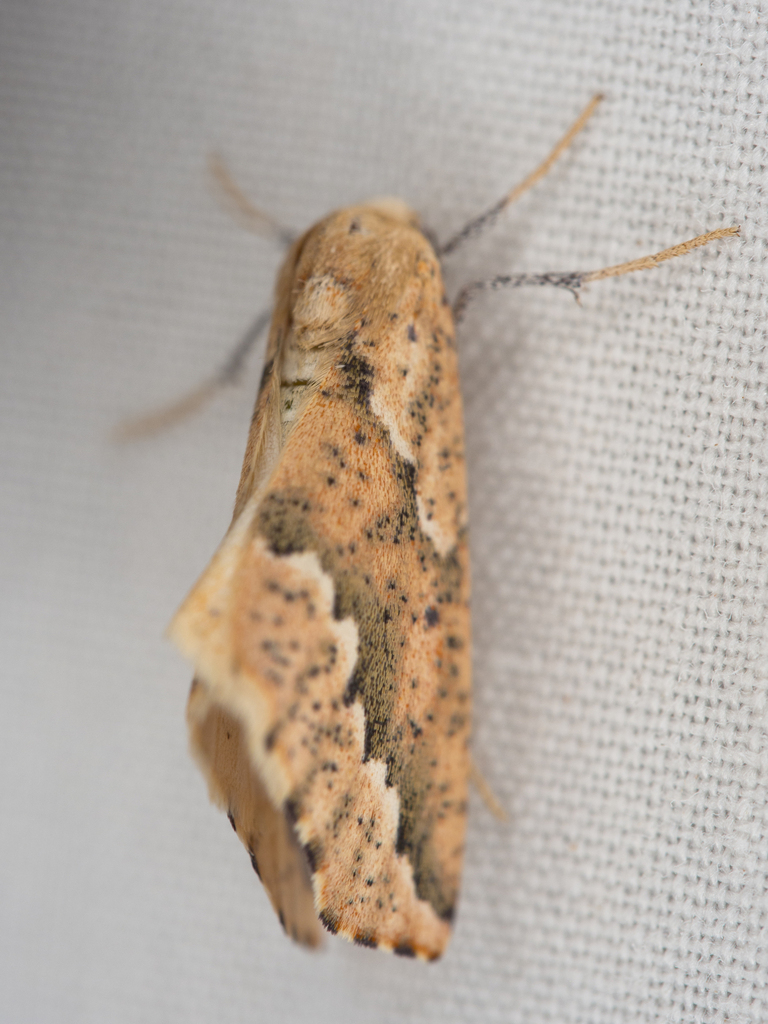
no rights reserved · CC0
Family: Geometridae · Class: Insecta · Order: Lepidoptera
Sicya morsicaria is a California animal in the Geometridae family.
Sicya morsicaria is a moth species in the family Geometridae, commonly known as geometrid moths or inchworm moths. This species belongs to the genus Sicya, which contains small to medium-sized moths characterized by their delicate wing patterns and distinctive flight behavior. Adult moths typically display subdued coloration patterns that provide effective camouflage against tree bark and lichen-covered surfaces. The current distribution and range of Sicya morsicaria remain poorly documented in the scientific literature. Limited collection records suggest the species may occur in western North America, potentially including California, though specific locality data and county-level distribution information are not readily available from authoritative sources. The historical range and any changes in distribution over time have not been comprehensively studied or documented. Habitat preferences for Sicya morsicaria are not well-established in published literature. Like other geometrid moths, the species likely inhabits forested environments where suitable host plants occur. Many Sicya species are associated with deciduous or mixed woodlands, where larvae can feed on the foliage of various trees and shrubs. The elevation range and specific microhabitat requirements remain unknown due to limited ecological studies of this species. The larval stages of Sicya morsicaria, like other geometrids, are caterpillars that move in a characteristic looping motion, earning them the common name 'inchworms' or 'spanworms.' These larvae typically feed on plant foliage, though the specific host plants for S. morsicaria have not been definitively identified or published in peer-reviewed sources. Adult moths are generally nocturnal and attracted to artificial lights. Flight periods and reproductive timing are not documented for this species, though related geometrids typically have one or more generations per year depending on climate and geographic location. The conservation status of Sicya morsicaria is currently unknown, as the species lacks formal assessment by state, federal, or international conservation organizations. No population data, trend information, or threat assessments are available from USFWS, CDFW, or IUCN databases as of December 2025. The species does not appear on any endangered species lists or conservation priority rankings. This lack of status information likely reflects limited research attention rather than actual rarity, as many moth species remain understudied despite their ecological importance as pollinators and prey species. Further taxonomic work and field surveys would be necessary to establish baseline population data and determine if conservation measures are warranted. The absence of recent collection records or ecological studies highlights the need for additional research on California's lepidopteran fauna, particularly smaller moths that may be declining due to habitat loss, light pollution, or climate change impacts on their host plants and seasonal timing.
Classification
Class: Insecta · Order: Lepidoptera · Family: Geometridae
Frequently asked questions
How is Sicya morsicaria classified?
Sicya morsicaria belongs to class Insecta, order Lepidoptera, family Geometridae.
What family does Sicya morsicaria belong to?
Sicya morsicaria is in the Geometridae family.
What is Sicya morsicaria?
Sicya morsicaria is a moth species in the family Geometridae, commonly known as geometrid moths or inchworm moths.
Is Sicya morsicaria found in California?
Yes. Sicya morsicaria is recorded in California in The California Species Project's catalogue.
Related species
Other California species in the same genus, family, or bioregion.
Data from The California Species Project — 14,000+ California species with verified data from CNPS, CDFW, USFWS, and more.