Sonora semiannulata
Western Groundsnake
no rights reserved · CC0
Family: Colubridae · Class: Reptilia · Order: Squamata
Sonora semiannulata (Western Groundsnake) is a California animal in the Colubridae family.
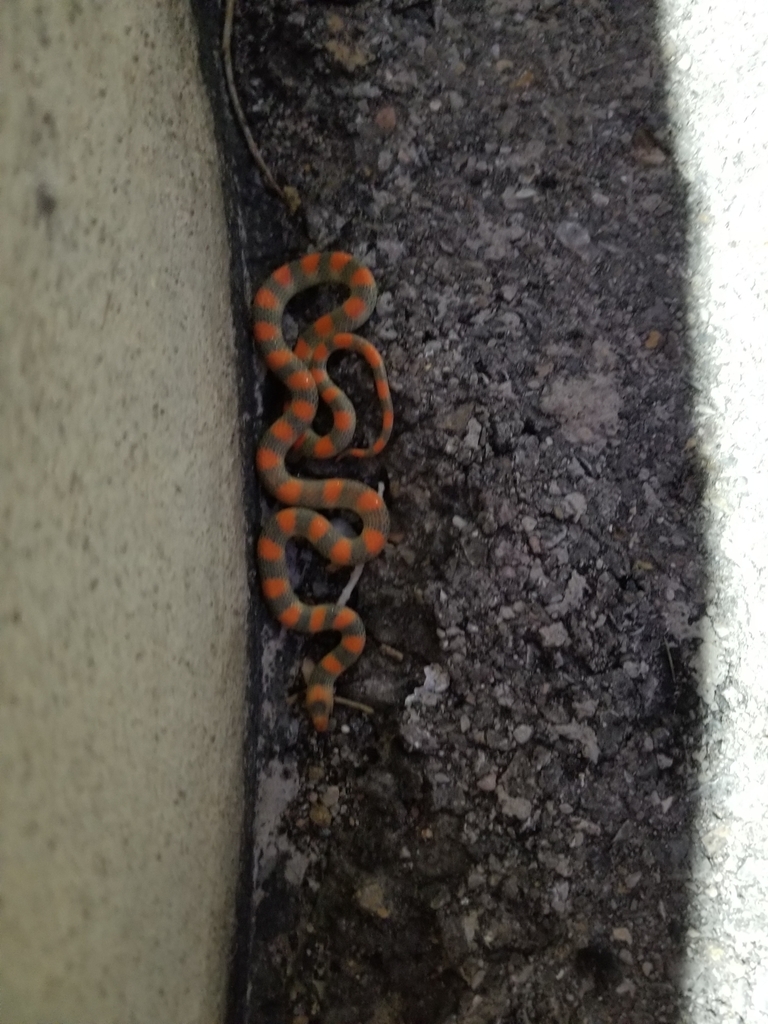
The Western Groundsnake is a small, slender colubrid snake endemic to the southwestern United States and northwestern Mexico. Adults typically measure 200 to 305 mm (8 to 12 inches) in total length, with a maximum recorded length of approximately 480 mm (19 inches). The body is cylindrical with a small, pointed head that is barely distinct from the neck. The species exhibits considerable variation in coloration and pattern, ranging from uniform brown, gray, or reddish-brown to specimens with distinct crossbands. Some individuals display alternating light and dark bands encircling the body, while others show only faint banding or appear patternless. The ventral surface is typically lighter than the dorsal coloration, often cream or pale yellow. In California, the Western Groundsnake occurs primarily in the southern desert regions, including the Mojave and Sonoran deserts. The species is documented from Imperial, Riverside, San Bernardino, and Kern counties, with scattered populations extending into Los Angeles and Ventura counties. The broader range encompasses Arizona, Nevada, Utah, New Mexico, Texas, and extends south into Sonora and Baja California, Mexico. According to NatureServe, the species maintains a global conservation status of G5, indicating it is widespread and secure throughout its range. This species inhabits arid and semi-arid environments characterized by loose sandy or gravelly soils. Preferred habitats include desert flats, washes, rocky slopes, and areas with scattered shrub vegetation typical of creosote bush scrub and mixed desert scrub communities. The Western Groundsnake is found from sea level to elevations of approximately 1,500 meters (4,900 feet). The species shows a strong association with substrates that allow for easy burrowing, as it spends much of its time underground. The Western Groundsnake is fossorial and nocturnal, remaining buried in loose soil during daylight hours and emerging at night to hunt. Primary prey consists of small arthropods, particularly centipedes, beetle larvae, spider egg cases, and occasionally small spiders and crickets. The species exhibits specialized feeding behavior, using its pointed snout to probe soil and debris for prey. Reproduction is oviparous, with females depositing small clutches of 2 to 4 eggs during late spring and early summer. Eggs are typically laid in loose soil or under rocks, with incubation lasting approximately 60 to 75 days. The Western Groundsnake currently has no federal or state conservation listing status and is not considered a species of concern. Population trends appear stable across the species' range, with the primary conservation challenges being habitat loss due to urban development and agricultural conversion in desert areas. The species' secretive nature and fossorial habits make population monitoring difficult, but it remains relatively common throughout suitable habitat. Climate change may pose future challenges through altered precipitation patterns and increased temperatures in desert ecosystems.
Classification
Class: Reptilia · Order: Squamata · Family: Colubridae
Frequently asked questions
How is Sonora semiannulata classified?
Sonora semiannulata belongs to class Reptilia, order Squamata, family Colubridae.
What family does Sonora semiannulata belong to?
Sonora semiannulata is in the Colubridae family.
What is Sonora semiannulata?
The Western Groundsnake is a small, slender colubrid snake endemic to the southwestern United States and northwestern Mexico.
Is Sonora semiannulata found in California?
Yes. Sonora semiannulata is recorded in California in The California Species Project's catalogue.
Related species
Other California species in the same genus, family, or bioregion.
Data from The California Species Project — 14,000+ California species with verified data from CNPS, CDFW, USFWS, and more.