Speranza marcescaria
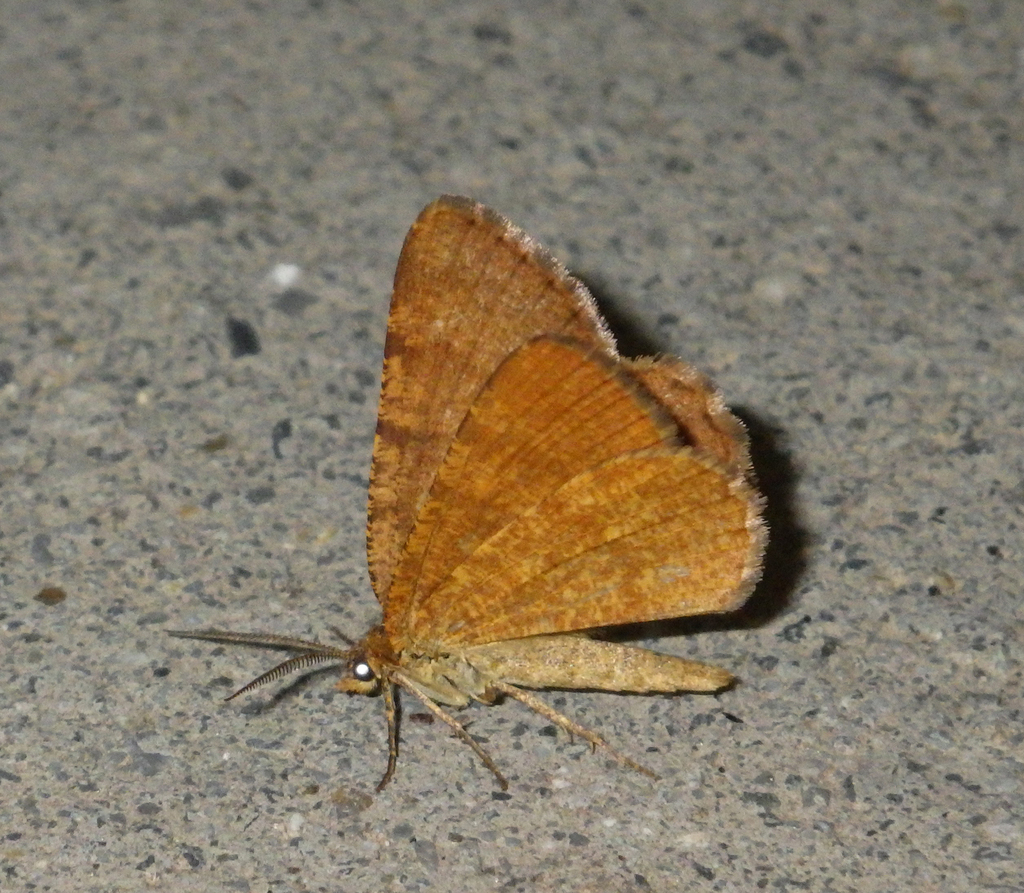
no rights reserved · CC0
Family: Geometridae · Class: Insecta · Order: Lepidoptera
Speranza marcescaria is a California animal in the Geometridae family.
Speranza marcescaria is a geometrid moth species in the family Geometridae, subfamily Ennominae. This moth belongs to a genus of inchworms or measuring worms, characterized by their distinctive looping locomotion in the larval stage. Adult moths typically display the slender body and broad wings characteristic of the Geometridae family, with wingspan measurements varying among individuals within the species. The species occurs along the Pacific coast from Oregon south through California and into Baja California, Mexico. This distribution encompasses a range of Mediterranean and semi-arid coastal environments. In California, the moth's range corresponds closely with the distribution of its primary host plant, extending from the northern counties south through the coastal ranges and into the southern regions of the state. Speranza marcescaria is closely associated with coastal scrub and chaparral habitats where its host plant, coyotebush (Baccharis pilularis), is abundant. Coyotebush grows in coastal sage scrub, chaparral margins, and disturbed areas from sea level to approximately 1,500 meters elevation. This shrub thrives in well-drained soils and can tolerate salt spray, making it common along coastal bluffs, canyon slopes, and inland hillsides. The moth's habitat preferences mirror those of its host, favoring areas with Mediterranean climate patterns of wet winters and dry summers. Like other Geometridae species, Speranza marcescaria undergoes complete metamorphosis. The larvae feed exclusively on coyotebush, consuming the leaves and potentially affecting plant growth patterns. Geometrid larvae are known for their characteristic measuring-worm movement, extending their bodies forward and drawing their rear segments up to meet their head, creating the distinctive looping motion. Adults are likely active during specific seasonal periods, with flight times potentially coinciding with favorable weather conditions and host plant phenology. Mating and egg-laying behaviors follow typical lepidopteran patterns, with females depositing eggs on or near the host plant. The conservation status of Speranza marcescaria appears stable given its broad distribution range and association with a common, widespread host plant. Coyotebush is not considered threatened and often colonizes disturbed areas, potentially providing expanding habitat opportunities for the moth. However, like many coastal species, Speranza marcescaria may face pressures from urban development, particularly in coastal California where human population density is high. Climate change effects on Mediterranean ecosystems could influence both the moth and its host plant, though coyotebush has demonstrated considerable adaptability to varying conditions. The species' dependence on a single host plant makes it vulnerable to any factors that significantly impact coyotebush populations, including prolonged drought, fire frequency changes, or targeted vegetation management practices.
Classification
Class: Insecta · Order: Lepidoptera · Family: Geometridae
Frequently asked questions
How is Speranza marcescaria classified?
Speranza marcescaria belongs to class Insecta, order Lepidoptera, family Geometridae.
What family does Speranza marcescaria belong to?
Speranza marcescaria is in the Geometridae family.
What is Speranza marcescaria?
Speranza marcescaria is a geometrid moth species in the family Geometridae, subfamily Ennominae.
Is Speranza marcescaria found in California?
Yes. Speranza marcescaria is recorded in California in The California Species Project's catalogue.
Related species
Other California species in the same genus, family, or bioregion.
Data from The California Species Project — 14,000+ California species with verified data from CNPS, CDFW, USFWS, and more.