Speranza plumosata
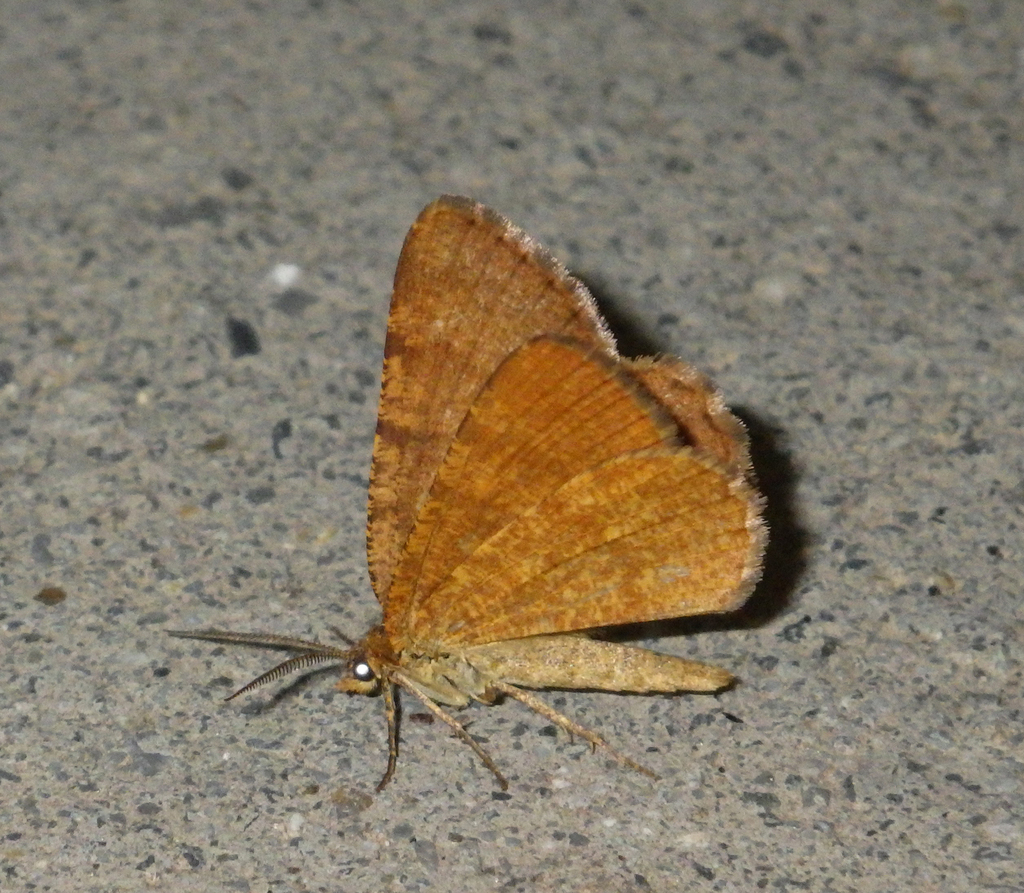
no rights reserved · CC0
Family: Geometridae · Class: Insecta · Order: Lepidoptera
Speranza plumosata is a California animal in the Geometridae family.
Speranza plumosata is a moth species in the family Geometridae, commonly known as geometrid moths or inchworm moths. This species belongs to the genus Speranza, which comprises several North American geometrid moths. The specific epithet 'plumosata' refers to feathery or plume-like characteristics, likely describing aspects of the moth's antennae or wing scaling. Geometrid moths in the genus Speranza typically exhibit wingspans ranging from 20 to 35 millimeters (0.8 to 1.4 inches). Adults generally display muted coloration patterns with earth tones including browns, grays, and tans that provide effective camouflage against tree bark and lichen-covered surfaces. The forewings often bear subtle cross-lines and markings that aid in species identification. Males frequently possess more feathery or pectinate antennae compared to females, which aligns with the species' plumosata designation. The distribution and range of Speranza plumosata remain poorly documented in current literature. Many geometrid species in this genus occur across western North America, including California, but specific locality records for S. plumosata are limited in accessible databases. The species' presence in California cannot be confirmed without additional survey data or specimen records from recognized collections. Habitat preferences for Speranza plumosata are not well-established, though related species in the genus typically inhabit forested environments including mixed coniferous and deciduous woodlands. Many Speranza species show associations with oak woodlands, riparian forests, and montane habitats at elevations ranging from sea level to approximately 2,000 meters (6,500 feet). Adults are generally active during spring and early summer months, with peak flight periods varying by elevation and local climate conditions. Like other geometrid moths, Speranza plumosata likely undergoes complete metamorphosis with egg, larval, pupal, and adult stages. Larvae, commonly called inchworms or loopers, move in a characteristic measuring motion due to their reduced number of prolegs. Host plant relationships for this species remain undocumented, though many Speranza larvae feed on deciduous trees and shrubs including oaks, willows, and other broadleaf species. Adults are typically nocturnal and attracted to artificial lights. The conservation status of Speranza plumosata is not formally assessed by federal or state agencies. The species lacks designated protection under the Endangered Species Act or California Endangered Species Act. Limited distributional data and potential confusion with closely related species complicate conservation assessments. Many geometrid moths face threats from habitat loss, pesticide use, and light pollution, though specific impacts on S. plumosata remain unknown. Additional taxonomic research and field surveys are needed to clarify the species' distribution, ecology, and conservation needs within California and throughout its range.
Classification
Class: Insecta · Order: Lepidoptera · Family: Geometridae
Frequently asked questions
How is Speranza plumosata classified?
Speranza plumosata belongs to class Insecta, order Lepidoptera, family Geometridae.
What family does Speranza plumosata belong to?
Speranza plumosata is in the Geometridae family.
What is Speranza plumosata?
Speranza plumosata is a moth species in the family Geometridae, commonly known as geometrid moths or inchworm moths.
Is Speranza plumosata found in California?
Yes. Speranza plumosata is recorded in California in The California Species Project's catalogue.
Related species
Other California species in the same genus, family, or bioregion.
Data from The California Species Project — 14,000+ California species with verified data from CNPS, CDFW, USFWS, and more.