Sphecodogastra antiochensis
Antioch Dunes Halcitid Bee
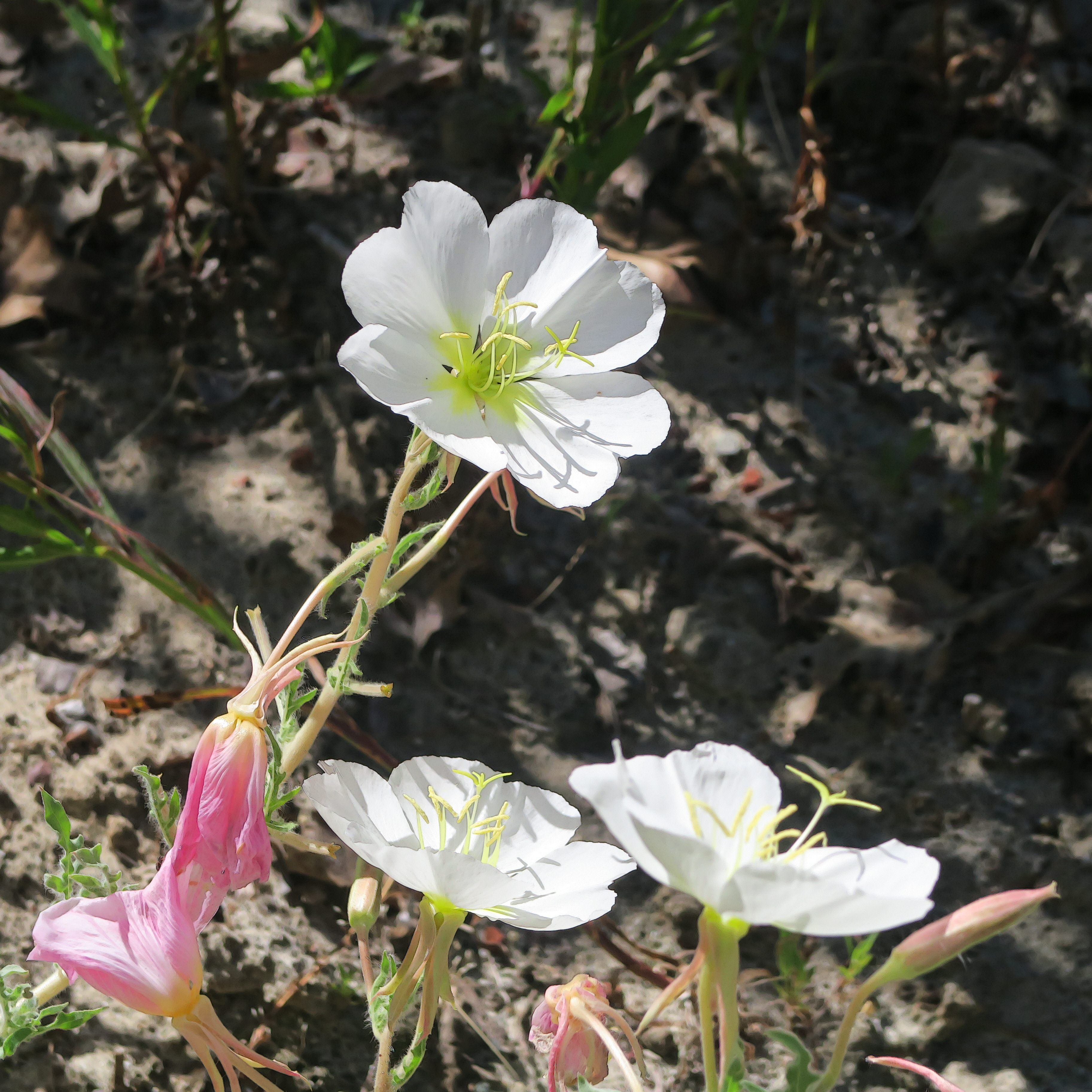
John Rusk from Berkeley, CA, United States of America (via Wikimedia Commons) · CC BY
Family: Halictidae · Class: Insecta · Order: Hymenoptera
Conservation status: G1 S1
Sphecodogastra antiochensis (Antioch Dunes Halcitid Bee) is a California animal in the Halictidae family.
The Antioch Dunes halictid bee (Sphecodogastra antiochensis) is a small, ground-nesting bee species endemic to California's eastern San Francisco Bay area. This species belongs to the family Halictidae, commonly known as sweat bees, and represents one of California's most geographically restricted native pollinators. Physical characteristics of this species have not been extensively documented in the scientific literature, though like other halictid bees, it likely measures 6-12 millimeters in length with metallic coloration typical of the family. Historically, S. antiochensis was distributed across the inland sand dune systems of Contra Costa County, particularly in the Antioch Dunes area from which it derives its common name. The species' current range appears severely restricted compared to its historical distribution, with documented occurrences limited to remnant dune habitats in the eastern San Francisco Bay region. The extreme geographic limitation of this species reflects the extensive habitat loss that has occurred throughout the Bay Area's inland dune ecosystems. This bee species is specifically adapted to sandy dune habitats, where females excavate nesting burrows in loose, well-drained sand substrates. The Antioch Dunes ecosystem historically supported extensive coastal scrub vegetation, providing both nesting sites and floral resources essential for the species' survival. These specialized habitat requirements make the species particularly vulnerable to habitat fragmentation and loss, as suitable sandy soils with appropriate vegetation communities are increasingly rare in the developed Bay Area landscape. Like other ground-nesting halictid bees, S. antiochensis likely exhibits solitary nesting behavior, with females constructing individual burrows where they provision cells with pollen and nectar for developing larvae. The species' flight period and specific host plant relationships have not been well documented in published literature, though it presumably forages on native wildflowers within the coastal scrub community. Most halictid bees are generalist foragers, visiting multiple plant species for nectar and pollen resources throughout their active season. Sphecodogastra antiochensis holds a Global Heritage rank of G1, indicating it is critically imperiled worldwide due to extreme rarity. The species also carries a State Heritage rank of S1 in California, reflecting its precarious conservation status within the state (Xerces Society 2019). The primary threat to this species is habitat loss from urban development, which has eliminated most of the historical sand dune systems in the eastern Bay Area. Additional threats likely include habitat fragmentation, invasive plant species that alter native plant communities, and potential impacts from recreational activities in remaining dune areas. The species' extremely limited distribution makes it particularly vulnerable to local extinction from stochastic events or further habitat degradation. Conservation efforts for this species would benefit from habitat protection and restoration of native dune ecosystems, though the feasibility of recovery may be limited by the extent of historical habitat loss and ongoing development pressure in the region.
Classification
Class: Insecta · Order: Hymenoptera · Family: Halictidae
Conservation status
G1 S1
Frequently asked questions
How is Sphecodogastra antiochensis classified?
Sphecodogastra antiochensis belongs to class Insecta, order Hymenoptera, family Halictidae.
What family does Sphecodogastra antiochensis belong to?
Sphecodogastra antiochensis is in the Halictidae family.
Is Sphecodogastra antiochensis protected or of conservation concern?
Sphecodogastra antiochensis carries the following status: G1 S1.
What is Sphecodogastra antiochensis?
The Antioch Dunes halictid bee (Sphecodogastra antiochensis) is a small, ground-nesting bee species endemic to California's eastern San Francisco Bay area.
Is Sphecodogastra antiochensis found in California?
Yes. Sphecodogastra antiochensis is recorded in California in The California Species Project's catalogue.
Related species
Other California species in the same genus, family, or bioregion.
Data from The California Species Project — 14,000+ California species with verified data from CNPS, CDFW, USFWS, and more.