Sphyrapicus varius
Yellow-bellied Sapsucker
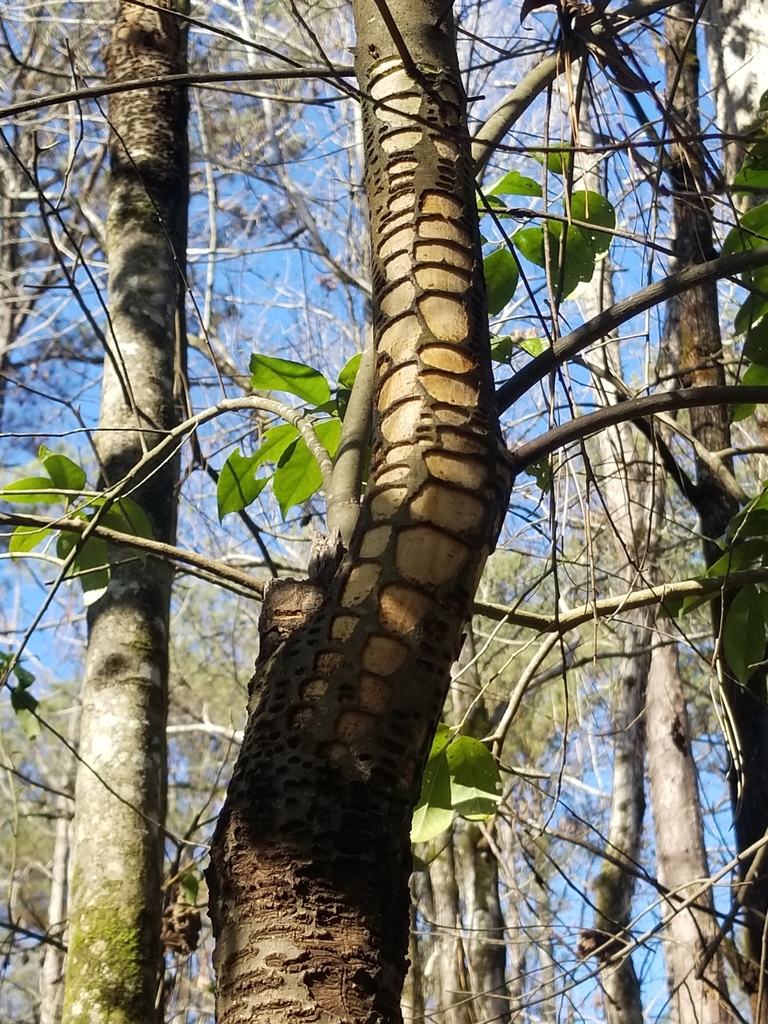
no rights reserved · CC0
Family: Picidae · Class: Aves · Order: Piciformes
Sphyrapicus varius (Yellow-bellied Sapsucker) is a California animal in the Picidae family.
The Yellow-bellied Sapsucker is a medium-sized woodpecker measuring 19 to 21 cm (7.5 to 8.3 inches) in length with a wingspan of 34 to 40 cm (13.4 to 15.7 inches). Adult males display distinctive plumage with a red crown and throat, white wing patches, and yellowish underparts that give the species its common name. The back is mottled black and white in a barred pattern. Females are similar but have a white throat instead of red. Both sexes possess a long, chisel-like bill adapted for drilling sap wells, and their tongues are brush-tipped for collecting sap and insects. Juveniles show brownish plumage with less distinct markings and develop adult coloration during their first year. The Yellow-bellied Sapsucker breeds across the boreal and mixed forests of Canada and the northern United States, extending south through the Appalachian Mountains. During winter, populations migrate to the southeastern United States, Mexico, Central America, and the West Indies. In California, the species occurs primarily as a winter visitor and migrant, most commonly observed along the coast and in lower elevation areas from October through April. Records exist from various counties including Los Angeles, Orange, San Diego, and the San Francisco Bay Area, though the species remains relatively uncommon in the state. This sapsucker inhabits deciduous and mixed forests, particularly favoring areas with birch, maple, hickory, and aspen trees. During the breeding season, it prefers young forests and forest edges at elevations up to 2,000 meters. In California, wintering birds utilize riparian woodlands, parks, gardens, and suburban areas with mature trees. The species shows particular affinity for areas containing its preferred sap trees, including willows, cottonwoods, and fruit trees. Yellow-bellied Sapsuckers are best known for their unique feeding behavior of drilling parallel rows of small holes in tree bark to access sap. These sap wells are maintained and visited regularly, with the birds consuming both sap and insects attracted to the sugary exudate. The diet also includes fruits, berries, and insects captured through conventional foraging methods. Breeding occurs from May through August, with pairs excavating nest cavities in dead or dying trees, typically aspens or birches. Females lay 4 to 6 white eggs, with both parents sharing incubation duties for 12 to 13 days. Young fledge after 25 to 29 days but may remain with parents for several weeks. The Yellow-bellied Sapsucker is not federally or state-listed and maintains stable populations across most of its range. According to the North American Breeding Bird Survey, populations have remained relatively stable over the past several decades, with some regional variations. The species faces typical forest bird challenges including habitat fragmentation and forest management practices, but its adaptability to various forest types and suburban environments has helped maintain viable populations. Climate change may affect the species' range distribution, potentially shifting breeding areas northward and altering wintering patterns.
Classification
Class: Aves · Order: Piciformes · Family: Picidae
Frequently asked questions
How is Sphyrapicus varius classified?
Sphyrapicus varius belongs to class Aves, order Piciformes, family Picidae.
What family does Sphyrapicus varius belong to?
Sphyrapicus varius is in the Picidae family.
What is Sphyrapicus varius?
The Yellow-bellied Sapsucker is a medium-sized woodpecker measuring 19 to 21 cm (7.5 to 8.3 inches) in length with a wingspan of 34 to 40 cm (13.4 to 15.7 inches).
Is Sphyrapicus varius found in California?
Yes. Sphyrapicus varius is recorded in California in The California Species Project's catalogue.
Related species
Other California species in the same genus, family, or bioregion.
Data from The California Species Project — 14,000+ California species with verified data from CNPS, CDFW, USFWS, and more.