Sphyrna lewini
Scalloped Hammerhead Shark
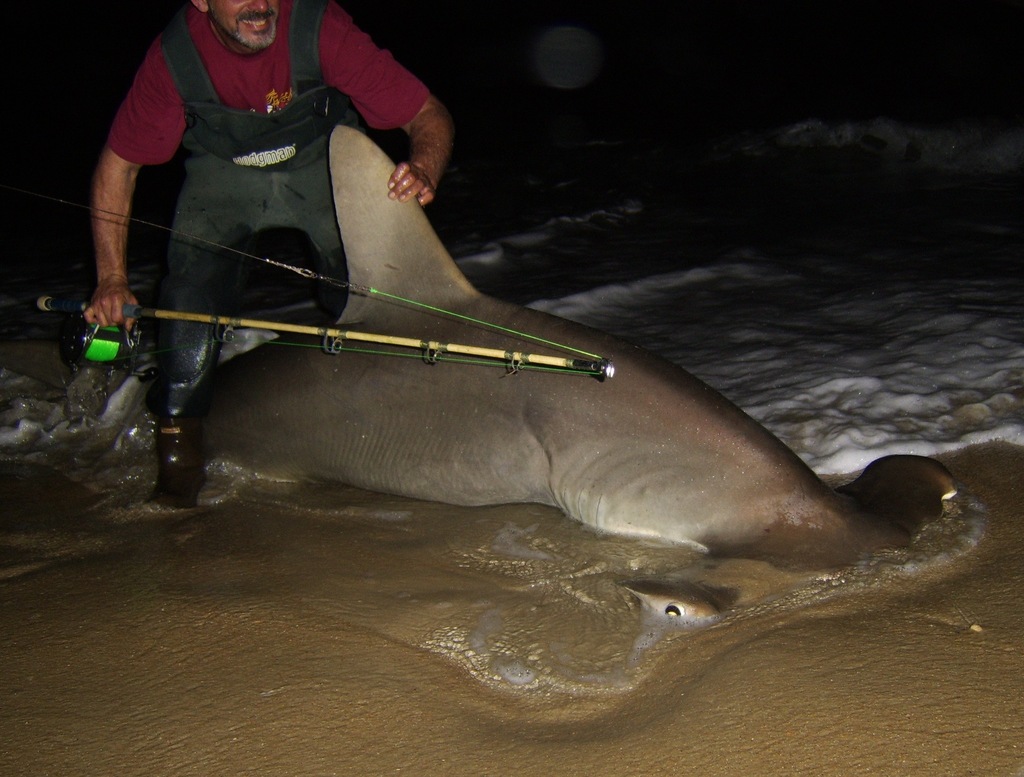
(c) ecovore, some rights reserved (CC BY) · licence
Family: Sphyrnidae · Class: Chondrichthyes · Order: Carcharhiniformes
Conservation status: Endangered
Sphyrna lewini (Scalloped Hammerhead Shark) is a California animal in the Sphyrnidae family.
The scalloped hammerhead shark is a large, distinctive elasmobranch characterized by its flattened, laterally extended head structure called a cephalofoil. Adults typically reach 3 to 4 meters (10 to 13 feet) in length, with females growing larger than males. The species is distinguished from other hammerhead sharks by the scalloped anterior margin of its head, which features a series of pronounced indentations. The body is streamlined with a tall, falcate dorsal fin and elongated pectoral fins. Coloration ranges from bronze to dark gray dorsally, transitioning to white ventrally. Scalloped hammerhead sharks have a circumglobal distribution in warm temperate and tropical coastal waters. In United States waters, the species occurs off Hawaii, Florida, California, and throughout the Gulf of Mexico. The U.S. Fish and Wildlife Service recognizes distinct population segments, with the Eastern Atlantic DPS listed as endangered and the Central and Southwest Atlantic DPS listed as threatened as of December 2025. In California waters, scalloped hammerheads are found primarily in nearshore and offshore environments. This species inhabits a range of marine environments from coastal waters to the open ocean, typically in depths from surface waters to approximately 450 meters (1,476 feet). Juveniles demonstrate strong site fidelity to specific nursery areas, often utilizing shallow coastal waters, bays, and estuaries. Adults are highly migratory, making extensive movements between feeding and breeding areas. The species exhibits pronounced vertical migration patterns, moving to deeper waters during daylight hours and ascending toward the surface at night. Scalloped hammerhead sharks are active predators feeding primarily on fish, cephalopods, and crustaceans. Their diet includes reef fish, sardines, herring, mackerel, and various squid species. The distinctive head structure enhances their electroreceptive capabilities, allowing them to detect prey buried in sediments. Reproduction is viviparous, with females giving birth to litters of 15 to 31 pups after a gestation period of approximately 9 to 10 months. Sexual maturity is reached at 4 to 6 years of age. The species exhibits complex social behavior, forming large aggregations around seamounts and offshore islands, particularly during daytime hours. The scalloped hammerhead shark faces severe conservation challenges due to overfishing, bycatch mortality, and habitat degradation. Commercial and recreational fishing pressure has resulted in significant population declines globally. The species is particularly vulnerable due to its slow reproductive rate and late age at maturity. Scalloped hammerheads are protected under the Convention on International Trade in Endangered Species of Wild Fauna and Flora (CITES), with international trade regulated under Appendix II. The U.S. Fish and Wildlife Service has implemented protective measures for distinct population segments under the Endangered Species Act, recognizing the Eastern Atlantic DPS as endangered due to severe population reductions and ongoing threats to recovery.
Classification
Class: Chondrichthyes · Order: Carcharhiniformes · Family: Sphyrnidae
Conservation status
Endangered
Frequently asked questions
How is Sphyrna lewini classified?
Sphyrna lewini belongs to class Chondrichthyes, order Carcharhiniformes, family Sphyrnidae.
What family does Sphyrna lewini belong to?
Sphyrna lewini is in the Sphyrnidae family.
Is Sphyrna lewini protected or of conservation concern?
Sphyrna lewini carries the following status: Endangered.
What is Sphyrna lewini?
The scalloped hammerhead shark is a large, distinctive elasmobranch characterized by its flattened, laterally extended head structure called a cephalofoil.
Is Sphyrna lewini found in California?
Yes. Sphyrna lewini is recorded in California in The California Species Project's catalogue.
More California species
This species has no close relatives in our California data — here are other species to explore.
Data from The California Species Project — 14,000+ California species with verified data from CNPS, CDFW, USFWS, and more.