Spilomyia interrupta
Interrupted Hornet Fly
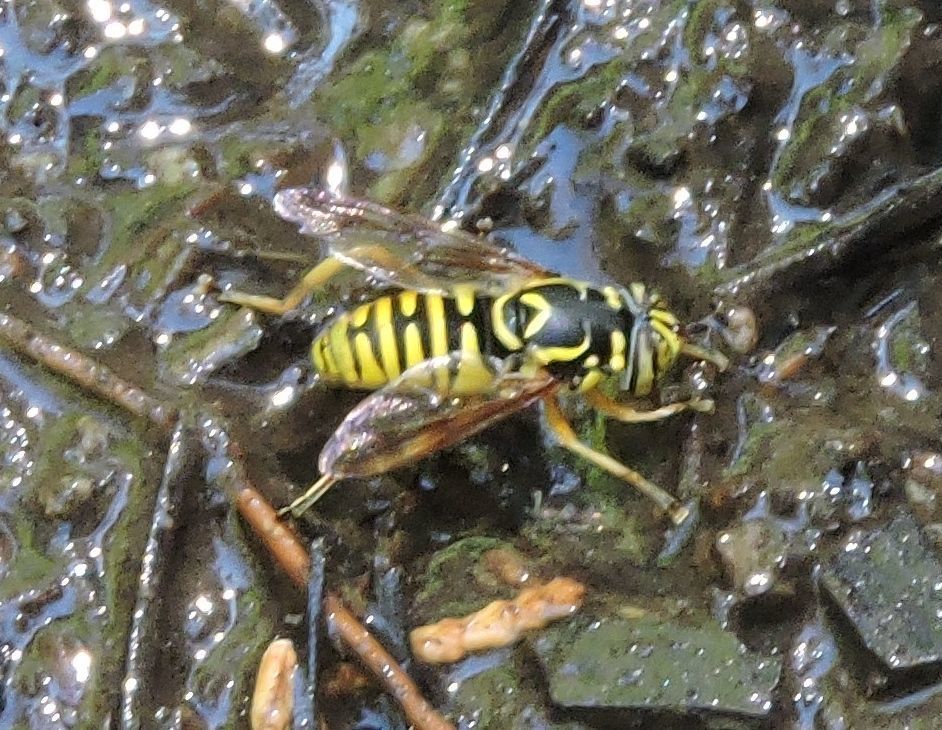
(c) cwwood, some rights reserved (CC BY-SA) · licence
Family: Syrphidae · Class: Insecta · Order: Diptera
Spilomyia interrupta (Interrupted Hornet Fly) is a California animal in the Syrphidae family.
Spilomyia interrupta, commonly known as the interrupted hornet fly, is a member of the family Syrphidae, commonly called hover flies or flower flies. This species belongs to the genus Spilomyia, which comprises flies that are notable for their mimetic resemblance to hornets and wasps. Like other members of this genus, S. interrupta likely displays yellow and black coloration patterns that provide protection through Batesian mimicry of stinging hymenopterans. The genus Spilomyia is found primarily in North America, though specific distributional data for S. interrupta remains poorly documented in accessible scientific literature. The species is taxonomically classified within the subfamily Syrphinae and tribe Syrphini, placing it among the more derived hover fly lineages. As with other Syrphidae species, S. interrupta likely inhabits areas where adults can access nectar sources and where appropriate breeding substrates exist for larval development. Many Spilomyia species are associated with forest environments where their wasp-mimicking appearance provides protection from predators while they visit flowers for nectar. The larvae of related species typically develop in decaying organic matter, tree holes, or other microhabitats rich in decomposing material. Adult hover flies in the genus Spilomyia are generally active during warmer months and function as pollinators while feeding on nectar from various flowering plants. Females likely deposit eggs in suitable larval development sites, though specific details about the reproductive biology of S. interrupta have not been well documented in the scientific literature. The conservation status of S. interrupta is not established through federal or state wildlife agencies. The species does not appear on current endangered species lists or conservation priority rankings. However, the lack of comprehensive distributional and ecological data makes it difficult to assess population trends or conservation needs. Like many invertebrate species, S. interrupta may face threats from habitat loss, pesticide use, and climate change, though specific impacts on this species have not been studied. The general decline in pollinator populations across North America suggests that systematic surveys of Syrphidae diversity, including lesser-known species like S. interrupta, would be valuable for understanding regional biodiversity patterns and conservation priorities. Scientific documentation for this species remains limited, and detailed ecological studies would enhance understanding of its distribution, habitat requirements, and role in ecosystem function.
Classification
Class: Insecta · Order: Diptera · Family: Syrphidae
Frequently asked questions
How is Spilomyia interrupta classified?
Spilomyia interrupta belongs to class Insecta, order Diptera, family Syrphidae.
What family does Spilomyia interrupta belong to?
Spilomyia interrupta is in the Syrphidae family.
What is Spilomyia interrupta?
Spilomyia interrupta, commonly known as the interrupted hornet fly, is a member of the family Syrphidae, commonly called hover flies or flower flies.
Is Spilomyia interrupta found in California?
Yes. Spilomyia interrupta is recorded in California in The California Species Project's catalogue.
Related species
Other California species in the same genus, family, or bioregion.
Data from The California Species Project — 14,000+ California species with verified data from CNPS, CDFW, USFWS, and more.