Stamnodes coenonymphata
Coenonympha Stamnodes
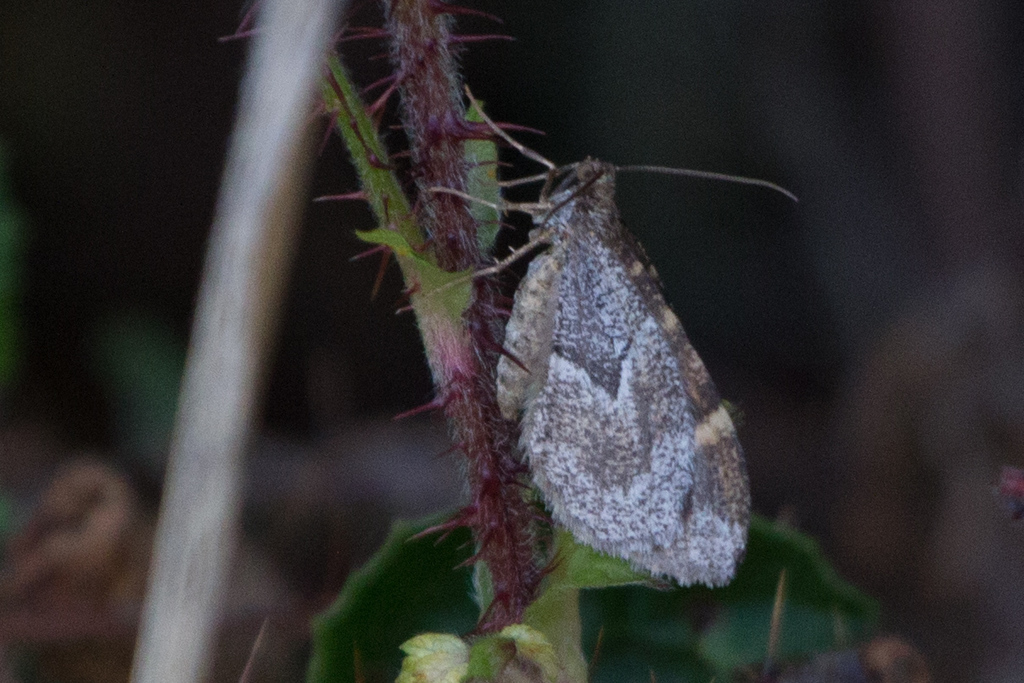
(c) avocat, some rights reserved (CC BY) · licence
Family: Geometridae · Class: Insecta · Order: Lepidoptera
Stamnodes coenonymphata (Coenonympha Stamnodes) is a California animal in the Geometridae family.
Stamnodes coenonymphata is a geometrid moth in the family Geometridae, first described by Hulst in 1900. This species belongs to the genus Stamnodes, which includes several western North American moths characterized by their distinctive wing patterns and seasonal emergence patterns. The physical characteristics and detailed morphology of S. coenonymphata have not been extensively documented in the available literature. Like other members of the Geometridae family, this species likely exhibits the typical "looper" or "inchworm" larval form with reduced prolegs, and adults with broad, often cryptically patterned wings. The species is assigned Hodges number 7341 in the standard North American moth classification system (BugGuide). Stamnodes coenonymphata occurs in California, though the specific counties and elevational range within the state require further documentation. The species appears to be part of the broader western North American Stamnodes fauna, which includes related species such as S. topazata and S. eldridgensis that have been recorded from various California mountain ranges and coastal regions. Based on records from the Lepidopterists' Society, related Stamnodes species show preferences for mountainous terrain and specific elevation zones. Habitat requirements for S. coenonymphata have not been well documented in the scientific literature. Other Stamnodes species typically inhabit forested or woodland environments, often associated with specific host plant communities. The larval host plants for this species remain unknown, representing a significant gap in our understanding of its ecological requirements. Adult flight period and seasonal activity patterns have not been established through systematic surveys. Behavioral and ecological information for S. coenonymphata is extremely limited. Like other Geometridae moths, the species likely undergoes complete metamorphosis with egg, larval, pupal, and adult stages. Adults are presumably nocturnal and attracted to artificial lights, as is typical for most geometrid moths. Larval feeding habits, overwintering strategy, and number of generations per year remain undocumented. The species' role in local ecosystems and potential interactions with predators, parasites, or pollinators has not been studied. The conservation status of S. coenonymphata has not been formally assessed by state or federal agencies. The species lacks formal listing status under the Endangered Species Act or California Endangered Species Act. The absence of recent systematic surveys makes it difficult to assess population trends or conservation needs. The species was noted as being included in Arkansas's Species of Greatest Conservation Need list, though this appears to reference a different taxon or represents a misidentification, as the current species is documented only from California (BugGuide). Scientific documentation for this species remains extremely limited despite its formal taxonomic description over a century ago. The information presented here represents the available data from taxonomic databases and lepidopterological records. Comprehensive field studies are needed to document basic biological parameters including host plants, habitat preferences, distribution patterns, and life history characteristics. Additional research would benefit from systematic surveys across California's diverse habitats to establish the species' current range and population status.
Classification
Class: Insecta · Order: Lepidoptera · Family: Geometridae
Frequently asked questions
How is Stamnodes coenonymphata classified?
Stamnodes coenonymphata belongs to class Insecta, order Lepidoptera, family Geometridae.
What family does Stamnodes coenonymphata belong to?
Stamnodes coenonymphata is in the Geometridae family.
What is Stamnodes coenonymphata?
Stamnodes coenonymphata is a geometrid moth in the family Geometridae, first described by Hulst in 1900.
Is Stamnodes coenonymphata found in California?
Yes. Stamnodes coenonymphata is recorded in California in The California Species Project's catalogue.
Related species
Other California species in the same genus, family, or bioregion.
Data from The California Species Project — 14,000+ California species with verified data from CNPS, CDFW, USFWS, and more.