Stamnodes modocata
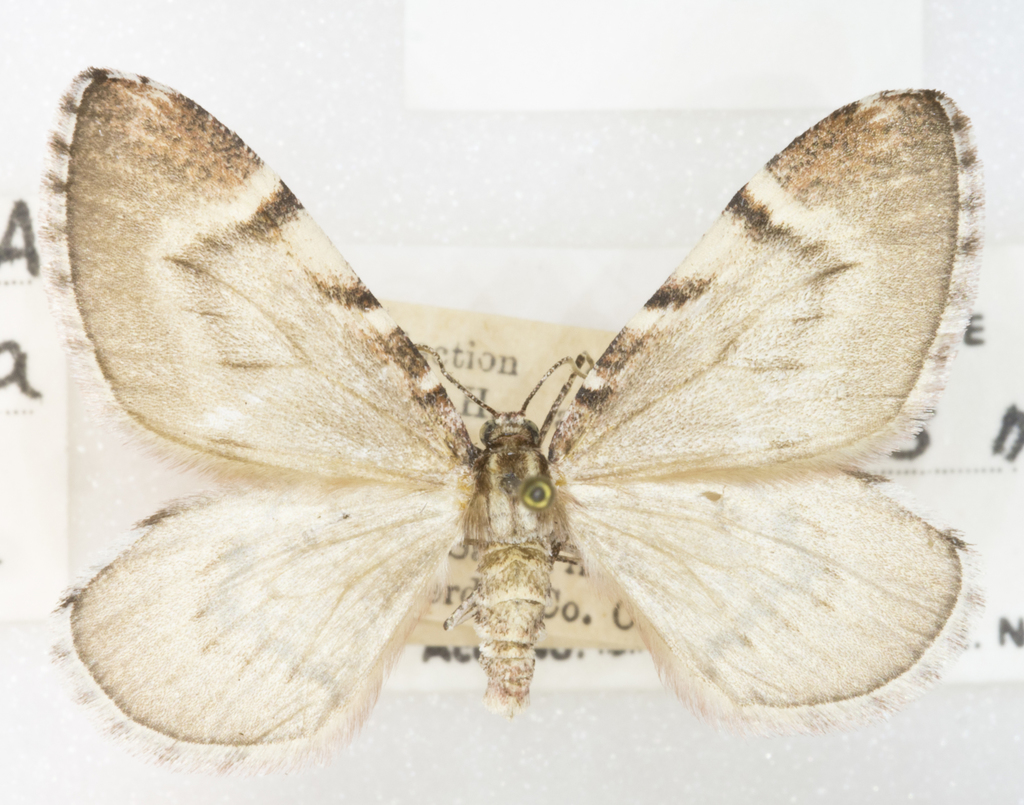
no rights reserved · CC0
Family: Geometridae · Class: Insecta · Order: Lepidoptera
Stamnodes modocata is a California animal in the Geometridae family.
Stamnodes modocata is a moth species in the family Geometridae, commonly known as geometrid moths or inchworm moths. This species belongs to a genus of moths distributed primarily in western North America. Adult moths in the genus Stamnodes typically display cryptic coloration patterns that provide camouflage against tree bark and other natural surfaces. The range of Stamnodes modocata includes portions of California and adjacent western states, though detailed distributional records are limited in the literature. The species name 'modocata' may reference the Modoc region of northeastern California, suggesting a potential association with that geographic area. However, comprehensive range mapping for this species requires further taxonomic and field survey work. Habitat preferences for Stamnodes modocata likely include forested and woodland environments typical of other geometrid moths in the region. Geometridae larvae, known as inchworms or loopers, typically feed on the foliage of various trees and shrubs. The specific host plants utilized by S. modocata larvae remain undocumented in accessible literature, though related species in the genus often associate with conifers or deciduous trees common in western montane forests. Behavioral patterns follow typical geometrid life cycles, with adults likely emerging during specific seasonal windows when environmental conditions favor reproduction. Geometridae moths are generally nocturnal, with adults attracted to artificial light sources during evening hours. Larvae of geometrid species characteristically move in a distinctive looping motion, arching their bodies as they crawl along plant surfaces while feeding. The conservation status of Stamnodes modocata remains uncertain due to limited survey data and taxonomic research. Many geometrid moth species face population pressures from habitat modification, climate change impacts on forest ecosystems, and altered fire regimes in western landscapes. The species lacks formal protection status at federal or state levels, reflecting the general paucity of conservation attention given to most moth species despite their ecological importance as pollinators, herbivores, and prey items in food webs. Taxonomic uncertainty surrounding many geometrid species complicates conservation assessment efforts. Stamnodes modocata may represent a valid species requiring formal taxonomic revision, or it could potentially represent a synonym of another described taxon. Resolution of such taxonomic questions requires examination of type specimens, molecular analysis, and comparative morphological studies. Until comprehensive surveys and taxonomic work clarify the status and distribution of S. modocata, its conservation needs remain difficult to assess. The species exemplifies the challenges facing invertebrate conservation, where limited baseline data hampers effective protection strategies for potentially vulnerable taxa.
Classification
Class: Insecta · Order: Lepidoptera · Family: Geometridae
Frequently asked questions
How is Stamnodes modocata classified?
Stamnodes modocata belongs to class Insecta, order Lepidoptera, family Geometridae.
What family does Stamnodes modocata belong to?
Stamnodes modocata is in the Geometridae family.
What is Stamnodes modocata?
Stamnodes modocata is a moth species in the family Geometridae, commonly known as geometrid moths or inchworm moths.
Is Stamnodes modocata found in California?
Yes. Stamnodes modocata is recorded in California in The California Species Project's catalogue.
Related species
Other California species in the same genus, family, or bioregion.
Data from The California Species Project — 14,000+ California species with verified data from CNPS, CDFW, USFWS, and more.