Stegophylla essigi
Californian Woolly Oak Aphid
no rights reserved · CC0
Family: Aphididae · Class: Insecta · Order: Hemiptera
Stegophylla essigi (Californian Woolly Oak Aphid) is a California animal in the Aphididae family.
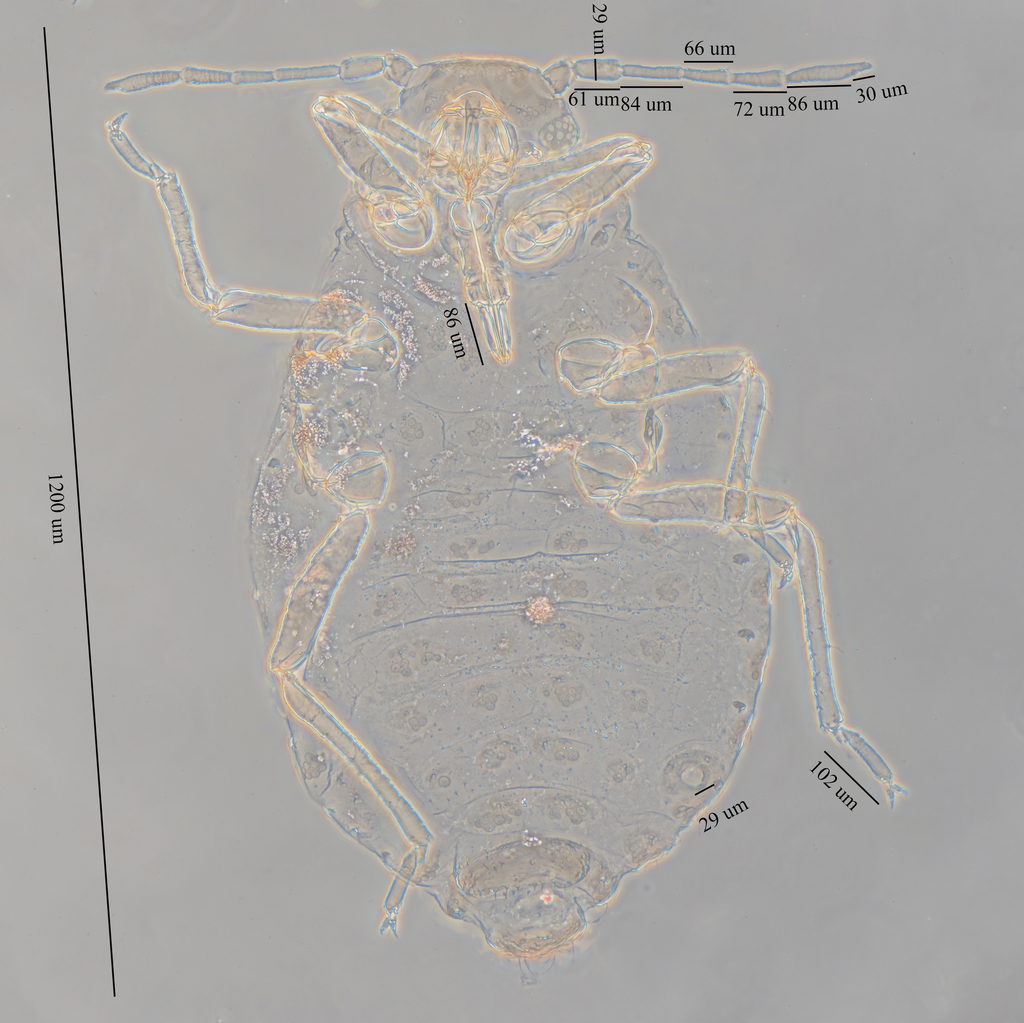
Stegophylla essigi, the Californian woolly oak aphid, is a small hemipteran insect in the family Aphididae. Like other aphids, adults typically measure 1-3 mm in length with soft, pear-shaped bodies. The species likely exhibits the characteristic aphid morphology of a distinct head, thorax, and abdomen, with long antennae and specialized mouthparts for piercing and sucking plant tissues. Winged forms may develop seasonally for dispersal, while wingless forms predominate during active feeding periods. The species' range and distribution within California have not been comprehensively documented in available scientific literature. As suggested by its common name, S. essigi appears to be endemic to California, though specific county records and geographical boundaries of its occurrence remain poorly characterized. The species' current distribution may be fragmented or localized compared to historical ranges. Stegophylla essigi is associated with oak trees (Quercus species), as indicated by its common name. The species likely feeds on oak foliage, bark, or woody tissues, using its piercing-sucking mouthparts to extract plant fluids. Specific oak species serving as hosts and the aphid's microhabitat preferences within oak ecosystems have not been well documented. The species may show seasonal habitat use patterns typical of aphids, potentially moving between different parts of host plants or alternate hosts during its life cycle. Like other aphids, S. essigi likely exhibits complex life cycle patterns that may include both sexual and asexual reproductive phases. Many aphid species produce multiple generations per year through parthenogenesis during favorable conditions, followed by sexual reproduction to produce overwintering eggs. The species probably feeds by inserting its stylet into plant tissues and extracting phloem or other plant fluids. Feeding may result in yellowing, curling, or other damage to oak foliage, though the specific impact on host plants has not been quantified. The conservation status of S. essigi has not been formally assessed by federal or state wildlife agencies. The species does not appear on current U.S. Fish and Wildlife Service threatened or endangered species lists, nor does it have a designated conservation rank from NatureServe or the California Department of Fish and Wildlife. This absence from conservation databases may reflect either stable population status or insufficient biological data rather than confirmed security. Like many arthropod species associated with California's oak ecosystems, S. essigi could potentially face threats from habitat loss, urbanization, climate change, and altered fire regimes affecting oak woodland communities. Scientific documentation for this species remains extremely limited. Detailed ecological studies, population assessments, and taxonomic research are lacking in available literature. The information presented here represents the current state of knowledge based on taxonomic databases and the species' classification within Aphididae. Additional research is needed to characterize this species' biology, distribution, ecological relationships, and conservation needs. Field surveys and systematic study would contribute valuable data for understanding California's native aphid fauna and oak ecosystem relationships.
Classification
Class: Insecta · Order: Hemiptera · Family: Aphididae
Frequently asked questions
How is Stegophylla essigi classified?
Stegophylla essigi belongs to class Insecta, order Hemiptera, family Aphididae.
What family does Stegophylla essigi belong to?
Stegophylla essigi is in the Aphididae family.
What is Stegophylla essigi?
Stegophylla essigi, the Californian woolly oak aphid, is a small hemipteran insect in the family Aphididae.
Is Stegophylla essigi found in California?
Yes. Stegophylla essigi is recorded in California in The California Species Project's catalogue.
Related species
Other California species in the same genus, family, or bioregion.
Data from The California Species Project — 14,000+ California species with verified data from CNPS, CDFW, USFWS, and more.