Sterkia clementina
San Clemente Island Blunt-top Snail
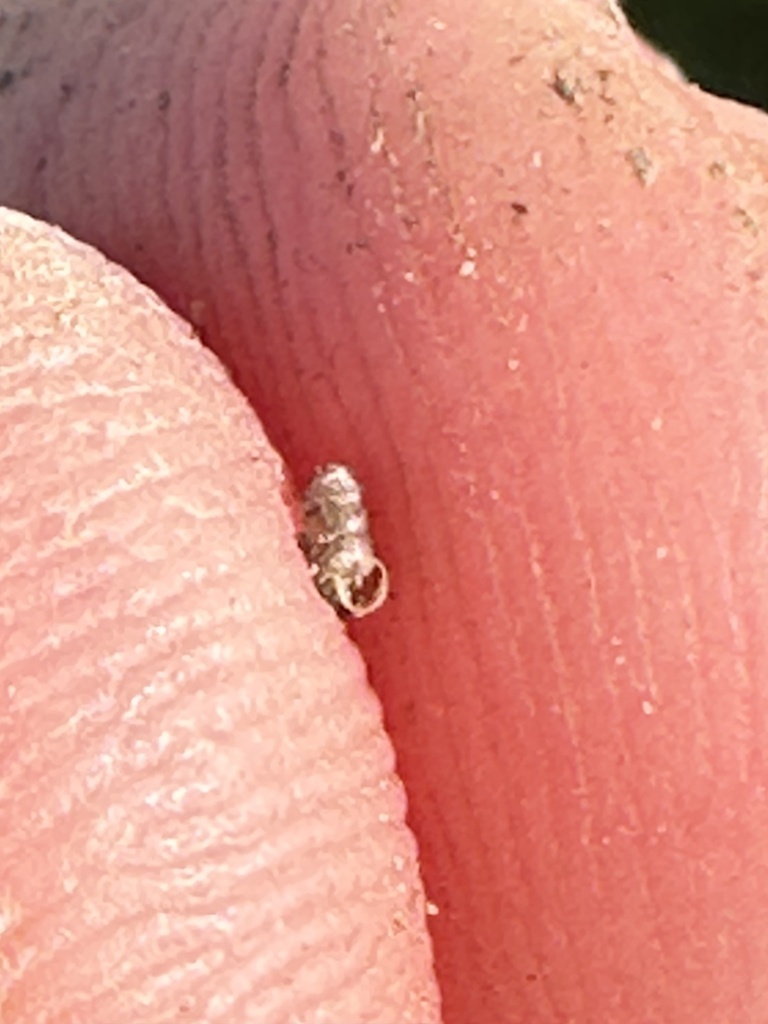
(c) william_hoyer, some rights reserved (CC BY) · licence
Family: Pupillidae · Class: Gastropoda · Order: Stylommatophora
Conservation status: G2G3 S1S2
Sterkia clementina (San Clemente Island Blunt-top Snail) is a California animal in the Pupillidae family.
The San Clemente Island Blunt-top Snail (Sterkia clementina), also known as the Insular Birddrop, is a small terrestrial gastropod endemic to San Clemente Island, California. This species belongs to the family of land snails and represents one of several endemic mollusk species found on California's Channel Islands. The San Clemente Island Blunt-top Snail is restricted entirely to San Clemente Island, located approximately 68 miles west of San Diego in the Pacific Ocean. San Clemente Island is the southernmost of California's Channel Islands and is currently managed by the U.S. Navy as a naval reservation. The species' extremely limited range makes it particularly vulnerable to environmental changes and habitat disturbance. Like other terrestrial snails, this species likely inhabits areas with suitable moisture and vegetation cover on San Clemente Island. The island's Mediterranean climate features mild, wet winters and warm, dry summers. Most terrestrial snail activity, including feeding, reproduction, and growth, typically occurs during California's rainy season from October through April when moisture levels are adequate for their survival. The specific microhabitat preferences and elevation range of S. clementina have not been well documented in available literature. Detailed ecological information about the San Clemente Island Blunt-top Snail remains limited. As with most terrestrial snails, this species likely feeds on decaying plant material, algae, and organic matter found in the soil. Terrestrial snails serve important ecological functions as decomposers and provide food sources for various animals including birds, reptiles, amphibians, and mammals. The reproductive biology and seasonal activity patterns of S. clementina require further scientific study to fully understand the species' life history. The San Clemente Island Blunt-top Snail faces significant conservation challenges due to its extremely restricted range and small population size. NatureServe ranks the species as G2G3 (Imperiled to Vulnerable globally) and S1S2 (Critically Imperiled to Imperiled in California), reflecting its precarious conservation status. Historical records from Department of Defense installations indicate the species was documented as G1 (Critically Imperiled) as early as 1989, suggesting long-term conservation concerns. The U.S. Fish and Wildlife Service includes this species on its list of eligible unlisted species for traditional conservation grants, designating it as a Species of Concern (SC). Primary threats to the species likely include habitat modification, invasive plant species that alter native vegetation communities, and the inherent vulnerability associated with existing as a single-island endemic. The military activities on San Clemente Island, while managed under environmental protocols, may pose additional challenges for habitat preservation. Climate change effects, including altered precipitation patterns and increased drought frequency, could significantly impact this moisture-dependent species. Conservation efforts would benefit from comprehensive surveys to determine current population status, habitat requirements, and specific threats facing this endemic snail.
Classification
Class: Gastropoda · Order: Stylommatophora · Family: Pupillidae
Conservation status
G2G3 S1S2
Frequently asked questions
How is Sterkia clementina classified?
Sterkia clementina belongs to class Gastropoda, order Stylommatophora, family Pupillidae.
What family does Sterkia clementina belong to?
Sterkia clementina is in the Pupillidae family.
Is Sterkia clementina protected or of conservation concern?
Sterkia clementina carries the following status: G2G3 S1S2.
What is Sterkia clementina?
The San Clemente Island Blunt-top Snail (Sterkia clementina), also known as the Insular Birddrop, is a small terrestrial gastropod endemic to San Clemente Island, California.
Is Sterkia clementina found in California?
Yes. Sterkia clementina is recorded in California in The California Species Project's catalogue.
More California species
This species has no close relatives in our California data — here are other species to explore.
Data from The California Species Project — 14,000+ California species with verified data from CNPS, CDFW, USFWS, and more.