Stygobromus gradyi
Grady's Cave Amphipod
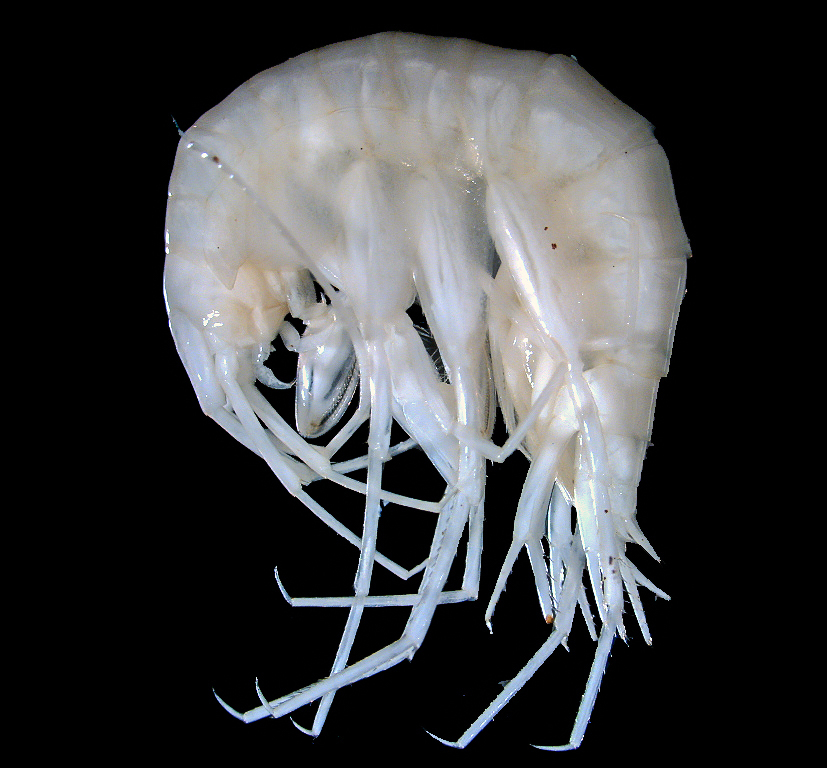
(c) Dr. Andrew G. Cannizzaro, some rights reserved (CC BY) · licence
Family: Crangonyctidae · Class: Malacostraca · Order: Amphipoda
Conservation status: G1 S1
Stygobromus gradyi (Grady's Cave Amphipod) is a California animal in the Crangonyctidae family.
Stygobromus gradyi is a small, subterranean amphipod crustacean endemic to cave systems. Like other members of the genus Stygobromus, this species exhibits typical adaptations to cave environments, including reduced pigmentation, elongated appendages, and reduced or absent eyes. The body is laterally compressed and typically measures 3-8 mm in length, though specific measurements for S. gradyi have not been well documented. The pale, translucent body lacks the pigmentation found in surface-dwelling amphipods, and the antennae are proportionally longer than those of epigean relatives. The range of Grady's cave amphipod is extremely limited and poorly documented in available literature. The species appears to be restricted to specific cave systems, though the exact geographic distribution and number of occupied caves require further documentation. Many Stygobromus species are known from single cave systems or small clusters of caves within limited geographic areas, suggesting S. gradyi likely follows a similar pattern of extreme endemism. This species inhabits the aquatic zones of cave systems, including pools, streams, and areas of groundwater seepage within limestone caves. Cave-adapted amphipods typically require stable temperatures, high humidity, and permanent water sources. The subterranean environment provides consistent conditions year-round, with temperatures that remain relatively constant and protection from surface weather variations. Specific habitat requirements for S. gradyi, including preferred water chemistry, flow rates, and substrate types, have not been thoroughly studied. As a cave-dwelling amphipod, S. gradyi likely feeds on organic matter that enters the cave system from the surface, including leaf litter, wood debris, and other detritus that washes in through cave entrances or percolates through soil layers. The species may also consume bacteria, fungi, and small invertebrates within the cave ecosystem. Reproduction in cave amphipods typically involves direct development without a larval stage, with females carrying eggs in a brood pouch until hatching. Population dynamics and life history parameters for this species remain largely unknown due to limited research. Grady's cave amphipod is designated with a global rank of G1 and state rank of S1, indicating it is critically imperiled both globally and within its state of occurrence. This ranking reflects the species' extreme rarity, limited distribution, and vulnerability to extinction. Cave-dwelling species face particular conservation challenges due to their restricted ranges and sensitivity to environmental changes. Potential threats include groundwater pollution, cave disturbance from human activities, hydrological changes affecting cave water levels, and climate change impacts on regional water tables. The species' apparent absence from federal listing under the Endangered Species Act, despite its critical conservation status, may reflect insufficient data for listing evaluation or recent taxonomic recognition. Detailed scientific studies of S. gradyi are lacking, limiting our understanding of its ecology, distribution, and specific conservation needs. Enhanced cave surveys, population monitoring, and taxonomic research are needed to develop effective conservation strategies for this critically imperiled species.
Classification
Class: Malacostraca · Order: Amphipoda · Family: Crangonyctidae
Conservation status
G1 S1
Frequently asked questions
How is Stygobromus gradyi classified?
Stygobromus gradyi belongs to class Malacostraca, order Amphipoda, family Crangonyctidae.
What family does Stygobromus gradyi belong to?
Stygobromus gradyi is in the Crangonyctidae family.
Is Stygobromus gradyi protected or of conservation concern?
Stygobromus gradyi carries the following status: G1 S1.
What is Stygobromus gradyi?
Stygobromus gradyi is a small, subterranean amphipod crustacean endemic to cave systems.
Is Stygobromus gradyi found in California?
Yes. Stygobromus gradyi is recorded in California in The California Species Project's catalogue.
Related species
Other California species in the same genus, family, or bioregion.
Data from The California Species Project — 14,000+ California species with verified data from CNPS, CDFW, USFWS, and more.