Stygobromus hayi
Hay's Spring amphipod
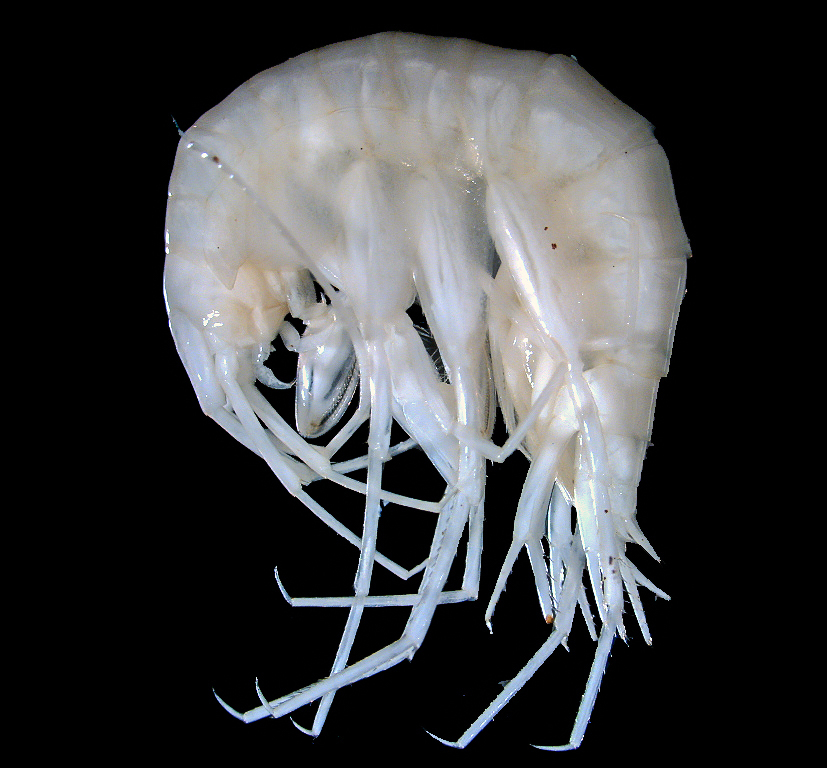
(c) Dr. Andrew G. Cannizzaro, some rights reserved (CC BY) · licence
Family: Crangonyctidae · Class: Malacostraca · Order: Amphipoda
Conservation status: Endangered
Stygobromus hayi (Hay's Spring amphipod) is a California animal in the Crangonyctidae family.
Hay's Spring amphipod is a small, cave-dwelling crustacean endemic to the Washington, D.C. and Maryland region. This subterranean species exhibits the typical morphology of stygobiotic amphipods, with an elongated, laterally compressed body resembling a tiny shrimp. Males are slightly larger than females, with males reaching approximately 9.8 mm (0.39 inches) in length (USFWS Species Profile). The species lacks pigmentation and functional eyes, adaptations common to obligate cave fauna. The body is pale to translucent, and the antennae are elongated relative to surface-dwelling amphipods. Stygobromus hayi is found exclusively in groundwater systems within a restricted range encompassing parts of Washington, D.C. and Maryland. The species occurs in spring-fed habitats associated with underground aquifers in this region. Historical records suggest the species may have had a broader distribution within regional groundwater systems, but current populations are limited to specific spring complexes. The species inhabits subterranean freshwater environments, including caves, springs, and associated groundwater systems. These habitats are characterized by constant temperatures, complete darkness, and stable water chemistry. The amphipod requires well-oxygenated water and appears dependent on organic matter inputs from surface environments. Spring outlets and cave streams provide the primary habitat, where the species occupies interstitial spaces among rocks and sediments. As an obligate groundwater species, Hay's Spring amphipod feeds on organic detritus, bacteria, and microorganisms present in the subterranean environment. The species likely functions as a detritivore and bacterial grazer within cave ecosystems. Reproductive biology remains poorly documented, though related stygobiotic amphipods typically exhibit extended developmental periods and produce fewer, larger offspring compared to surface species. The species probably reproduces year-round given the stable cave environment. The U.S. Fish and Wildlife Service listed Hay's Spring amphipod as endangered under the Endangered Species Act on February 5, 1982. The species faces significant threats from groundwater contamination, habitat degradation, and hydrological alterations. Urban development, agricultural practices, and associated chemical inputs pose risks to groundwater quality within the species' range. Changes in groundwater levels due to pumping and drought can alter or eliminate suitable habitat. The species' extremely limited range and specific habitat requirements make it particularly vulnerable to environmental changes. Recovery efforts focus on protecting groundwater resources and maintaining water quality in occupied habitats. According to USFWS recovery reports, the species' status was considered stable as of 2008, though ongoing monitoring is essential given the species' vulnerability to groundwater disruption. The restricted range and specialized habitat requirements continue to place this amphipod at high risk of extinction from anthropogenic impacts.
Classification
Class: Malacostraca · Order: Amphipoda · Family: Crangonyctidae
Conservation status
Endangered
Frequently asked questions
How is Stygobromus hayi classified?
Stygobromus hayi belongs to class Malacostraca, order Amphipoda, family Crangonyctidae.
What family does Stygobromus hayi belong to?
Stygobromus hayi is in the Crangonyctidae family.
Is Stygobromus hayi protected or of conservation concern?
Stygobromus hayi carries the following status: Endangered.
What is Stygobromus hayi?
Hay's Spring amphipod is a small, cave-dwelling crustacean endemic to the Washington, D.C.
Is Stygobromus hayi found in California?
Yes. Stygobromus hayi is recorded in California in The California Species Project's catalogue.
Related species
Other California species in the same genus, family, or bioregion.
Data from The California Species Project — 14,000+ California species with verified data from CNPS, CDFW, USFWS, and more.