Stygobromus rudolphi
Rudolph's Amphipod
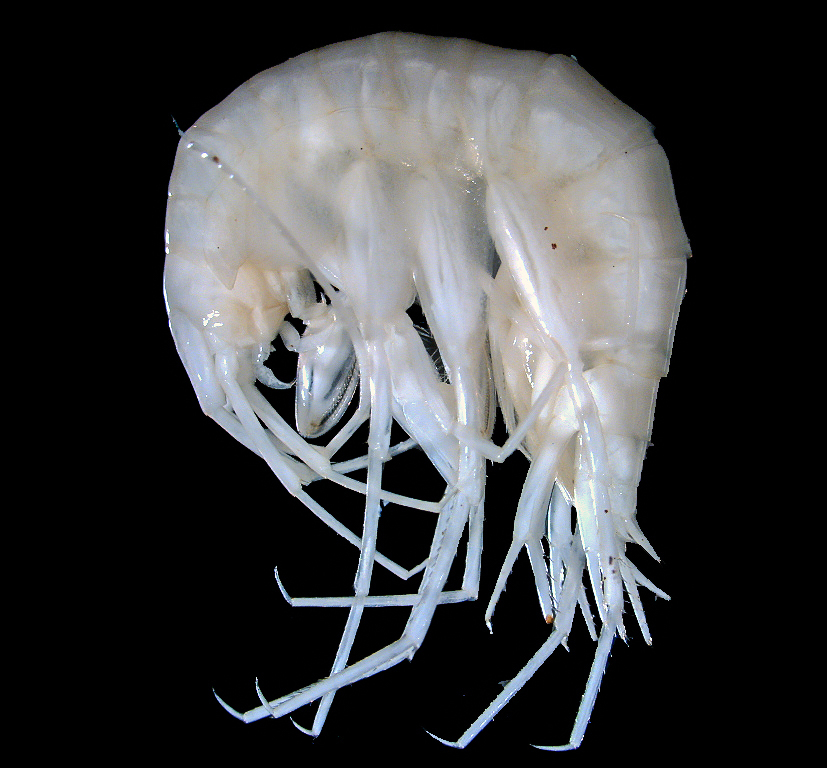
(c) Dr. Andrew G. Cannizzaro, some rights reserved (CC BY) · licence
Family: Crangonyctidae · Class: Malacostraca · Order: Amphipoda
Conservation status: G1 S1
Stygobromus rudolphi (Rudolph's Amphipod) is a California animal in the Crangonyctidae family.
Stygobromus rudolphi, commonly known as Rudolph's amphipod, is a small freshwater crustacean belonging to the family Crangonyctidae. This species represents one of the numerous cave-dwelling amphipods found in North American groundwater systems, though specific morphological details have not been extensively documented in the scientific literature. Amphipods in the genus Stygobromus are typically small, measuring 3-15 millimeters in length, with laterally compressed bodies and elongated antennae. These subterranean crustaceans generally exhibit pale or translucent coloration and reduced or absent eyes, adaptations common to cave-dwelling organisms. However, detailed physical descriptions specific to S. rudolphi are not readily available in published sources. The geographic range of Rudolph's amphipod has not been comprehensively documented. Many Stygobromus species have highly restricted distributions, often limited to single cave systems or small geographic areas. The species likely occurs in California based on its inclusion in state databases, but specific localities and range boundaries require further investigation. Like other members of its genus, S. rudolphi presumably inhabits subterranean freshwater environments including caves, springs, and groundwater systems. Stygobromus amphipods typically prefer cool, stable aquatic environments with minimal light penetration. These organisms often colonize spaces between rocks and gravel in underground water systems, though specific habitat preferences for this species remain undocumented. The ecology and behavior of Rudolph's amphipod are poorly understood. Most Stygobromus species are detritivores, feeding on organic matter that enters their subterranean environments through surface water infiltration or root systems. Reproduction likely follows patterns typical of the genus, with females carrying eggs in a brood pouch and releasing juvenile amphipods directly into the water column. Seasonal activity patterns and specific dietary preferences for S. rudolphi have not been studied. The conservation status reflects the species' apparent rarity, with a global ranking of G1 (critically imperiled) and state ranking of S1 (critically imperiled in California). This ranking suggests fewer than 1,000 individuals likely exist globally, with the species facing high risk of extinction. Threats to subterranean amphipods typically include groundwater contamination, water table alterations, and habitat destruction from surface development activities. Scientific documentation for Rudolph's amphipod remains extremely limited. The information presented here represents available knowledge about the genus and typical cave amphipod ecology. Detailed studies of this species' distribution, habitat requirements, population status, and specific threats are needed to develop effective conservation strategies. If you have verified information about this species' biology, distribution, or ecology, please contact species database managers to help improve this species account.
Classification
Class: Malacostraca · Order: Amphipoda · Family: Crangonyctidae
Conservation status
G1 S1
Frequently asked questions
How is Stygobromus rudolphi classified?
Stygobromus rudolphi belongs to class Malacostraca, order Amphipoda, family Crangonyctidae.
What family does Stygobromus rudolphi belong to?
Stygobromus rudolphi is in the Crangonyctidae family.
Is Stygobromus rudolphi protected or of conservation concern?
Stygobromus rudolphi carries the following status: G1 S1.
What is Stygobromus rudolphi?
Stygobromus rudolphi, commonly known as Rudolph's amphipod, is a small freshwater crustacean belonging to the family Crangonyctidae.
Is Stygobromus rudolphi found in California?
Yes. Stygobromus rudolphi is recorded in California in The California Species Project's catalogue.
Related species
Other California species in the same genus, family, or bioregion.
Data from The California Species Project — 14,000+ California species with verified data from CNPS, CDFW, USFWS, and more.