Stygobromus sierrensis
Sierra Amphipod
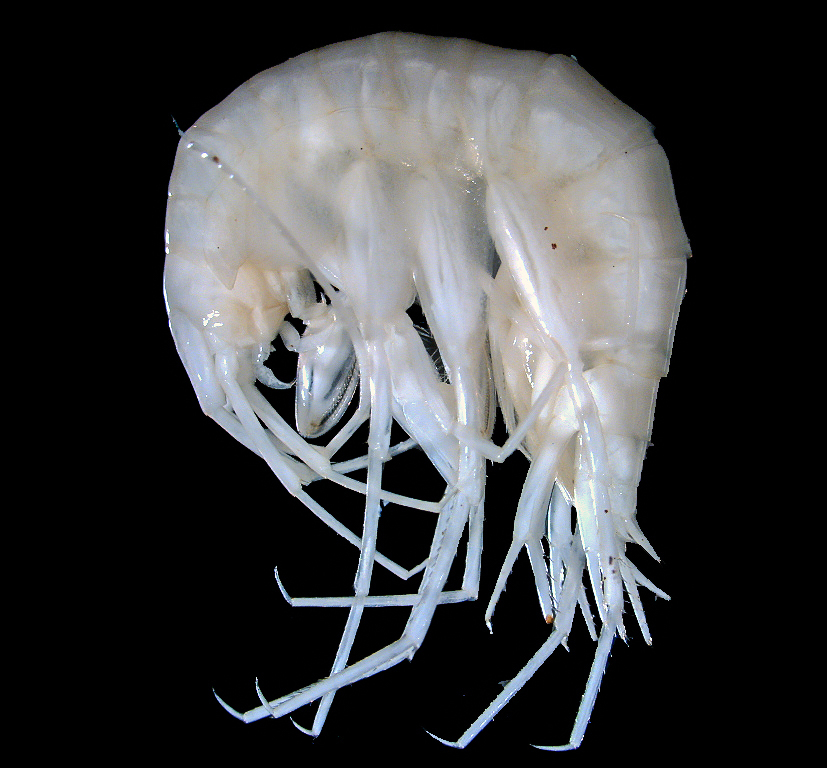
(c) Dr. Andrew G. Cannizzaro, some rights reserved (CC BY) · licence
Family: Crangonyctidae · Class: Malacostraca · Order: Amphipoda
Conservation status: G1 S1
Stygobromus sierrensis (Sierra Amphipod) is a California animal in the Crangonyctidae family.
The Sierra amphipod is a small freshwater crustacean endemic to California's Sierra Nevada region. This aquatic invertebrate belongs to the family Crangonyctidae, a group of groundwater-dwelling amphipods. Like other stygobromiid amphipods, S. sierrensis lacks pigmentation and eyes, adaptations typical of subterranean aquatic species. Adults measure approximately 5-10 millimeters (0.2-0.4 inches) in length and possess elongated antennae and modified appendages suited for life in groundwater environments. Stygobromus sierrensis is known only from limited locations within California's Sierra Nevada mountain range. The species' precise distribution remains poorly documented, reflecting the challenges of surveying subterranean aquatic habitats. Current records suggest the species occurs in specific groundwater systems within the Sierra Nevada foothills and montane regions, though comprehensive range mapping has not been completed. This amphipod inhabits underground aquatic systems including springs, seeps, and hyporheic zones of streams. The species requires permanent groundwater with stable temperatures and dissolved oxygen levels. Sierra amphipods typically occur in areas where groundwater intersects surface features, creating microhabitats with consistent moisture and protection from temperature fluctuations. The elevation range and specific substrate preferences have not been thoroughly studied. As a groundwater specialist, S. sierrensis likely feeds on organic matter, detritus, and microorganisms present in subterranean aquatic systems. The species' reproductive biology remains largely unknown, though related stygobromiid amphipods typically reproduce continuously in stable groundwater environments. Females likely carry eggs in brood pouches until hatching, with young developing directly without metamorphosis. Population dynamics and seasonal activity patterns have not been documented. The California Department of Fish and Wildlife assigns Stygobromus sierrensis a global rank of G1 (critically imperiled globally) and state rank of S1 (critically imperiled in California), indicating extreme rarity and vulnerability. The species faces significant conservation challenges due to its highly restricted range and specialized habitat requirements. Groundwater-dependent species are particularly vulnerable to water table alterations, contamination, and climate change impacts. Surface water diversions, groundwater pumping, and development activities in the Sierra Nevada could affect the hydrological systems supporting this amphipod. The species lacks federal protection under the Endangered Species Act as of December 2025, despite its critical conservation status. Limited scientific study of S. sierrensis hampers conservation planning efforts. The secretive nature of groundwater habitats makes population monitoring extremely difficult, and basic ecological information including population size, distribution extent, and specific threat impacts remains largely unknown. Conservation efforts for Sierra amphipods must focus on protecting groundwater resources and maintaining natural hydrological processes in the Sierra Nevada. This includes careful management of water extraction, protection of spring and seepage areas, and consideration of subterranean biodiversity in land use planning. Additional research is urgently needed to better understand the species' distribution, ecology, and conservation requirements. The Sierra amphipod represents one of California's most specialized and vulnerable freshwater invertebrates, highlighting the importance of protecting groundwater ecosystems that support unique endemic fauna.
Classification
Class: Malacostraca · Order: Amphipoda · Family: Crangonyctidae
Conservation status
G1 S1
Frequently asked questions
How is Stygobromus sierrensis classified?
Stygobromus sierrensis belongs to class Malacostraca, order Amphipoda, family Crangonyctidae.
What family does Stygobromus sierrensis belong to?
Stygobromus sierrensis is in the Crangonyctidae family.
Is Stygobromus sierrensis protected or of conservation concern?
Stygobromus sierrensis carries the following status: G1 S1.
What is Stygobromus sierrensis?
The Sierra amphipod is a small freshwater crustacean endemic to California's Sierra Nevada region.
Is Stygobromus sierrensis found in California?
Yes. Stygobromus sierrensis is recorded in California in The California Species Project's catalogue.
Related species
Other California species in the same genus, family, or bioregion.
Data from The California Species Project — 14,000+ California species with verified data from CNPS, CDFW, USFWS, and more.