Stygobromus tahoensis
Lake Tahoe Stygobromid
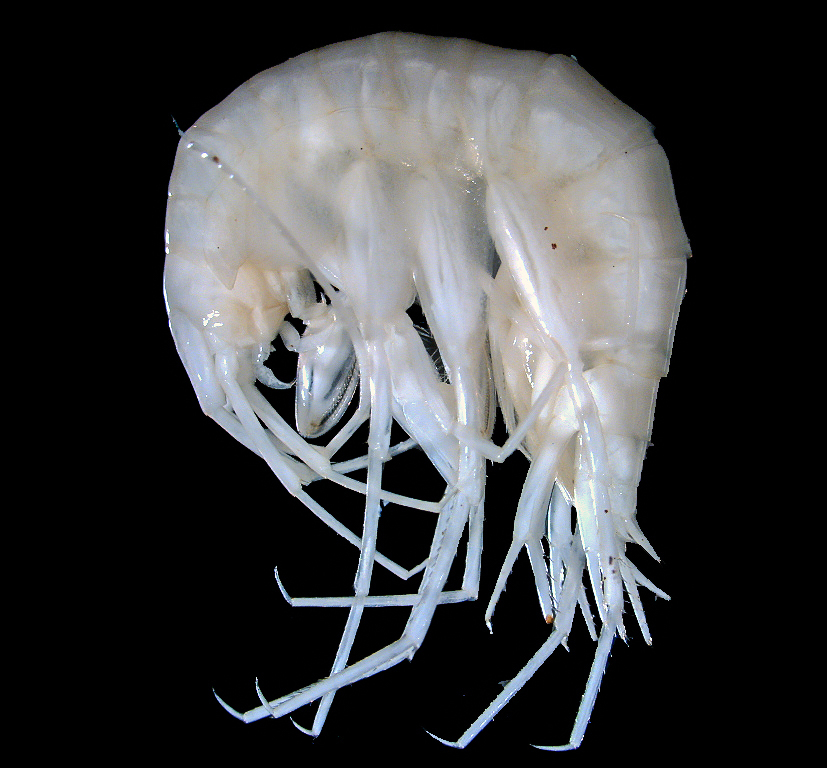
(c) Dr. Andrew G. Cannizzaro, some rights reserved (CC BY) · licence
Family: Crangonyctidae · Class: Malacostraca · Order: Amphipoda
Conservation status: G1 S1
Stygobromus tahoensis (Lake Tahoe Stygobromid) is a California animal in the Crangonyctidae family.
Stygobromus tahoensis is a small, subterranean amphipod crustacean endemic to the Lake Tahoe basin. Like all members of the genus Stygobromus, this species is eyeless and unpigmented, adaptations to its groundwater environment. The species belongs to the family Crangonyctidae, a group of freshwater amphipods found in springs, caves, and groundwater systems throughout North America. This species is known only from the Lake Tahoe region of California and Nevada, representing one of the few described stygobromid amphipods from the Sierra Nevada. The Lake Tahoe basin encompasses approximately 800 square kilometers, with the lake itself situated at an elevation of 1,897 meters (6,224 feet). The species' distribution appears highly restricted, consistent with the limited dispersal capabilities typical of groundwater-dwelling amphipods. Stygobromus tahoensis inhabits subterranean aquatic environments within the Lake Tahoe watershed. Based on habitat preferences of closely related species in the genus, this amphipod likely occurs in springs, groundwater seeps, and interstitial spaces within lake sediments. Stygobromus species typically require cold, oxygen-rich groundwater with stable temperatures and are sensitive to water quality changes. The species may occupy both hyporheic zones beneath streams and phreatic groundwater systems connected to the lake. As with other stygobromid amphipods, S. tahoensis is presumed to be a detritivore, feeding on organic matter that filters into groundwater systems from surface environments. The species likely consumes bacterial biofilms, decomposing plant material, and dissolved organic compounds. Reproduction in Stygobromus species typically involves direct development without a free-swimming larval stage, with females carrying eggs in a brood pouch until juveniles emerge as miniature adults. Population densities of groundwater amphipods are generally low due to limited food resources in subterranean environments. Stygobromus tahoensis carries a conservation ranking of G1 S1, indicating it is critically imperiled both globally and within California. This ranking reflects the species' extremely limited distribution and small population size. The Lake Tahoe basin has experienced significant environmental changes over recent decades, including eutrophication, temperature increases, and introductions of nonnative species. These changes may impact groundwater quality and temperature regimes critical for the species' survival. Primary threats to S. tahoensis likely include groundwater contamination, altered hydrology from development, and climate change effects on groundwater temperature and chemistry. The species' restricted range makes it particularly vulnerable to local extinction from habitat degradation. Lake Tahoe's popularity as a recreational destination has led to increased development pressure, potentially affecting groundwater systems through pollution, altered drainage patterns, and increased sedimentation. Conservation of this species requires protection of groundwater quality throughout the Lake Tahoe watershed and careful management of development activities that could impact subsurface hydrology.
Classification
Class: Malacostraca · Order: Amphipoda · Family: Crangonyctidae
Conservation status
G1 S1
Frequently asked questions
How is Stygobromus tahoensis classified?
Stygobromus tahoensis belongs to class Malacostraca, order Amphipoda, family Crangonyctidae.
What family does Stygobromus tahoensis belong to?
Stygobromus tahoensis is in the Crangonyctidae family.
Is Stygobromus tahoensis protected or of conservation concern?
Stygobromus tahoensis carries the following status: G1 S1.
What is Stygobromus tahoensis?
Stygobromus tahoensis is a small, subterranean amphipod crustacean endemic to the Lake Tahoe basin.
Is Stygobromus tahoensis found in California?
Yes. Stygobromus tahoensis is recorded in California in The California Species Project's catalogue.
Related species
Other California species in the same genus, family, or bioregion.
Data from The California Species Project — 14,000+ California species with verified data from CNPS, CDFW, USFWS, and more.