Stygobromus wengerorum
Wengerors' Cave Amphipod
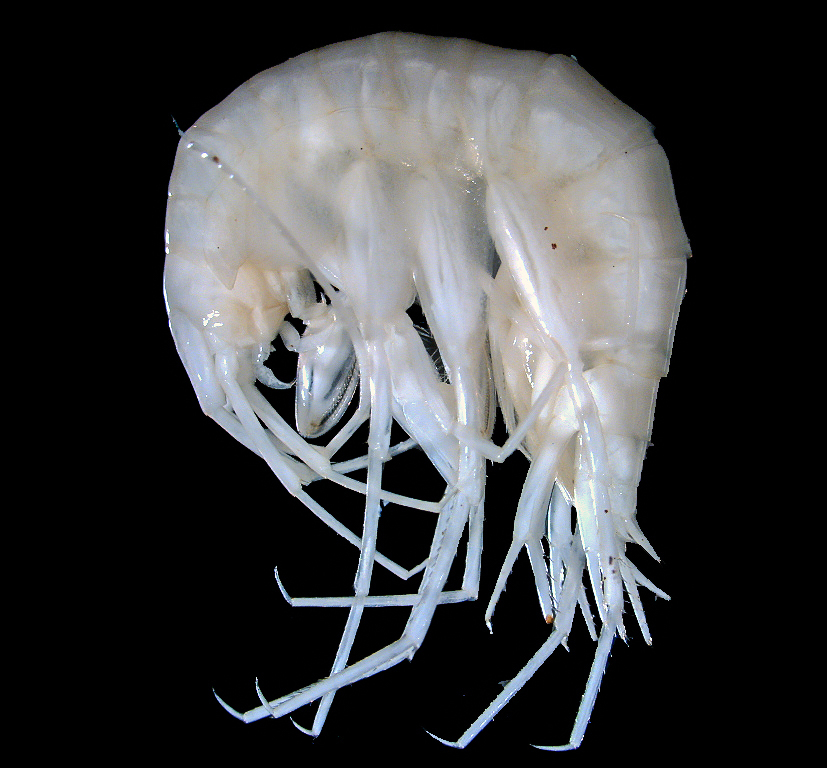
(c) Dr. Andrew G. Cannizzaro, some rights reserved (CC BY) · licence
Family: Crangonyctidae · Class: Malacostraca · Order: Amphipoda
Conservation status: G1 S1
Stygobromus wengerorum (Wengerors' Cave Amphipod) is a California animal in the Crangonyctidae family.
Stygobromus wengerorum, known as Wenger's cave amphipod or Wengeror's cave amphipod, is a small crustacean endemic to subterranean aquatic environments in California. As a member of the family Crangonyctidae, this species represents one of the specialized cave-dwelling amphipods found in North America's groundwater systems. Like other Stygobromus species, this amphipod exhibits typical adaptations to cave life, including reduced pigmentation and eye development, though specific morphological details for this species have not been extensively documented in available literature. The species' distribution appears to be extremely limited, restricted to cave systems in California. Based on available records, S. wengerorum was first documented in 1974, indicating its relatively recent scientific recognition. The exact geographic range and specific cave localities where this species occurs have not been well documented in accessible scientific literature, reflecting the challenges of studying subterranean fauna and the potentially restricted nature of its habitat. As a cave-obligate species, Wenger's cave amphipod inhabits permanently aquatic subterranean environments, including cave pools, underground streams, and groundwater systems. These habitats are characterized by constant darkness, stable temperatures, and limited nutrient input from surface ecosystems. Cave amphipods typically require well-oxygenated water and may be sensitive to changes in water chemistry, temperature, and flow patterns. The specific microhabitat preferences and environmental requirements of S. wengerorum have not been thoroughly studied. Like other cave amphipods, S. wengerorum likely feeds on organic matter that enters the cave system from surface sources, including decomposing plant material, bacteria, and other microorganisms. Cave amphipods are generally detritivores and may also consume biofilm and organic particles suspended in the water. Reproductive biology and life history details for this species remain largely unknown, though cave amphipods typically have extended lifespans and reduced reproductive rates compared to surface-dwelling relatives. Population dynamics and seasonal activity patterns, if any, have not been documented. Stygobromus wengerorum holds a conservation status of G1 S1, indicating it is critically imperiled both globally and within California, with typically fewer than 5 occurrences or very few remaining individuals. According to the U.S. Fish and Wildlife Service ECOS database, a petition regarding this species was submitted on August 12, 1974, though current federal listing status information is not readily available as of December 2025. The species faces typical threats associated with cave fauna, including groundwater contamination, hydrological alterations, and habitat disturbance from human activities. Cave ecosystems are particularly vulnerable to pollution because contaminants can persist in groundwater systems for extended periods. Surface activities that affect groundwater quality or quantity, such as urban development, agriculture, and industrial operations, pose potential risks to cave amphipod populations. Scientific documentation for this species remains extremely limited, with basic ecological and biological information largely unavailable in standard literature databases. The information presented here synthesizes available data from federal databases and taxonomic records. Additional field studies and taxonomic research are needed to better understand the biology, distribution, and conservation needs of this rare cave-dwelling amphipod.
Classification
Class: Malacostraca · Order: Amphipoda · Family: Crangonyctidae
Conservation status
G1 S1
Frequently asked questions
How is Stygobromus wengerorum classified?
Stygobromus wengerorum belongs to class Malacostraca, order Amphipoda, family Crangonyctidae.
What family does Stygobromus wengerorum belong to?
Stygobromus wengerorum is in the Crangonyctidae family.
Is Stygobromus wengerorum protected or of conservation concern?
Stygobromus wengerorum carries the following status: G1 S1.
What is Stygobromus wengerorum?
Stygobromus wengerorum, known as Wenger's cave amphipod or Wengeror's cave amphipod, is a small crustacean endemic to subterranean aquatic environments in California.
Is Stygobromus wengerorum found in California?
Yes. Stygobromus wengerorum is recorded in California in The California Species Project's catalogue.
Related species
Other California species in the same genus, family, or bioregion.
Data from The California Species Project — 14,000+ California species with verified data from CNPS, CDFW, USFWS, and more.