Stylopoda cephalica
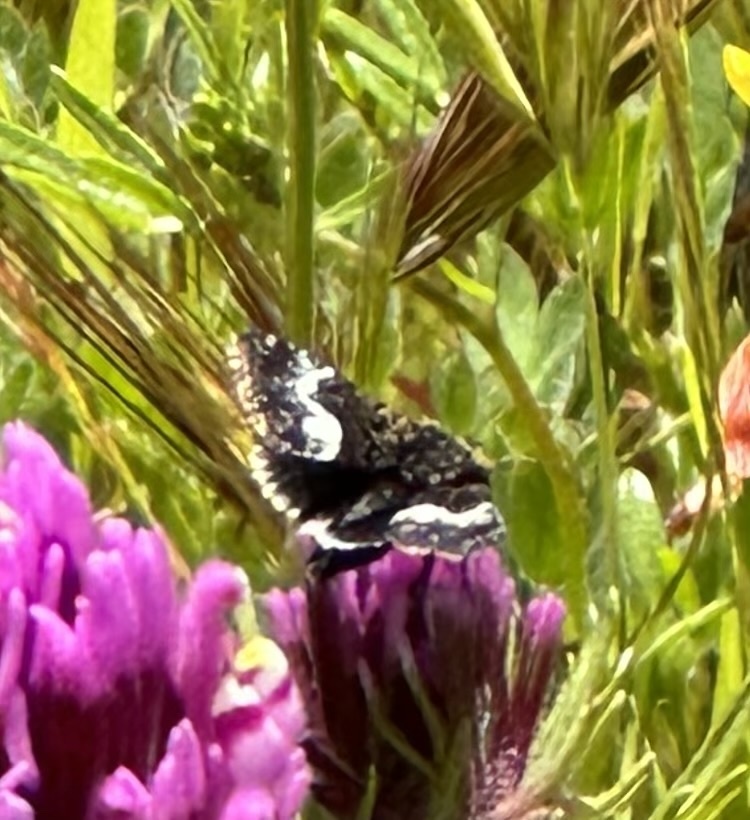
(c) Rachel Lee Harper, some rights reserved (CC BY) · licence
Family: Noctuidae · Class: Insecta · Order: Lepidoptera
Stylopoda cephalica is a California animal in the Noctuidae family.
Stylopoda cephalica is a moth species in the family Noctuidae, part of the large order Lepidoptera. This species belongs to the genus Stylopoda, which comprises several North American noctuid moths. Limited taxonomic and biological information is available for this species in current scientific literature. The physical characteristics of Stylopoda cephalica follow the general morphology typical of noctuids, with forewings that likely display cryptic coloration patterns common to many species in this family. Adult noctuids typically possess a wingspan ranging from 25 to 40 millimeters, though specific measurements for S. cephalica are not well-documented. The forewings of noctuids generally feature reniform and orbicular spots, which are diagnostic elements used in species identification within the family. The hindwings are typically lighter in coloration than the forewings. The geographic distribution of Stylopoda cephalica appears to be restricted to western North America, with documented occurrences in California. However, the precise range boundaries and extent of occurrence within the state remain poorly defined due to limited survey data and taxonomic uncertainty. The species may be endemic to California or have a broader western distribution that extends into adjacent states. Habitat preferences for Stylopoda cephalica are not well-established in the scientific literature. Many noctuids occupy diverse habitats ranging from coastal scrub to montane forests, depending on their host plant associations and elevation tolerances. The specific vegetation communities, elevation range, and microhabitat requirements for this species require further research to determine. The life cycle and ecological behavior of Stylopoda cephalica follow the typical lepidopteran pattern of complete metamorphosis, progressing through egg, larval, pupal, and adult stages. Adult flight periods for most noctuid species occur during specific seasonal windows, often corresponding with favorable environmental conditions and host plant phenology. Larvae of noctuids typically feed on various plant species, with some showing high host specificity while others are more generalized feeders. The specific host plants, feeding behavior, and reproductive ecology of S. cephalica remain largely unknown. The conservation status of Stylopoda cephalica is not formally assessed at federal or state levels. The species lacks official listing status under the Endangered Species Act or California Endangered Species Act. Population trends, abundance estimates, and specific conservation threats are not documented in available literature. The apparent rarity of collection records may indicate either genuine scarcity, taxonomic confusion, or insufficient survey effort in appropriate habitats. Climate change, habitat loss, and agricultural practices could pose potential threats to noctuid species in California, though specific impacts on S. cephalica cannot be determined without better understanding of its distribution and ecological requirements. Further taxonomic research and field surveys are needed to clarify the status, distribution, and conservation needs of this poorly known moth species.
Classification
Class: Insecta · Order: Lepidoptera · Family: Noctuidae
Frequently asked questions
How is Stylopoda cephalica classified?
Stylopoda cephalica belongs to class Insecta, order Lepidoptera, family Noctuidae.
What family does Stylopoda cephalica belong to?
Stylopoda cephalica is in the Noctuidae family.
What is Stylopoda cephalica?
Stylopoda cephalica is a moth species in the family Noctuidae, part of the large order Lepidoptera.
Is Stylopoda cephalica found in California?
Yes. Stylopoda cephalica is recorded in California in The California Species Project's catalogue.
Related species
Other California species in the same genus, family, or bioregion.
Data from The California Species Project — 14,000+ California species with verified data from CNPS, CDFW, USFWS, and more.