Sylvilagus bachmani riparius
Riparian brush rabbit
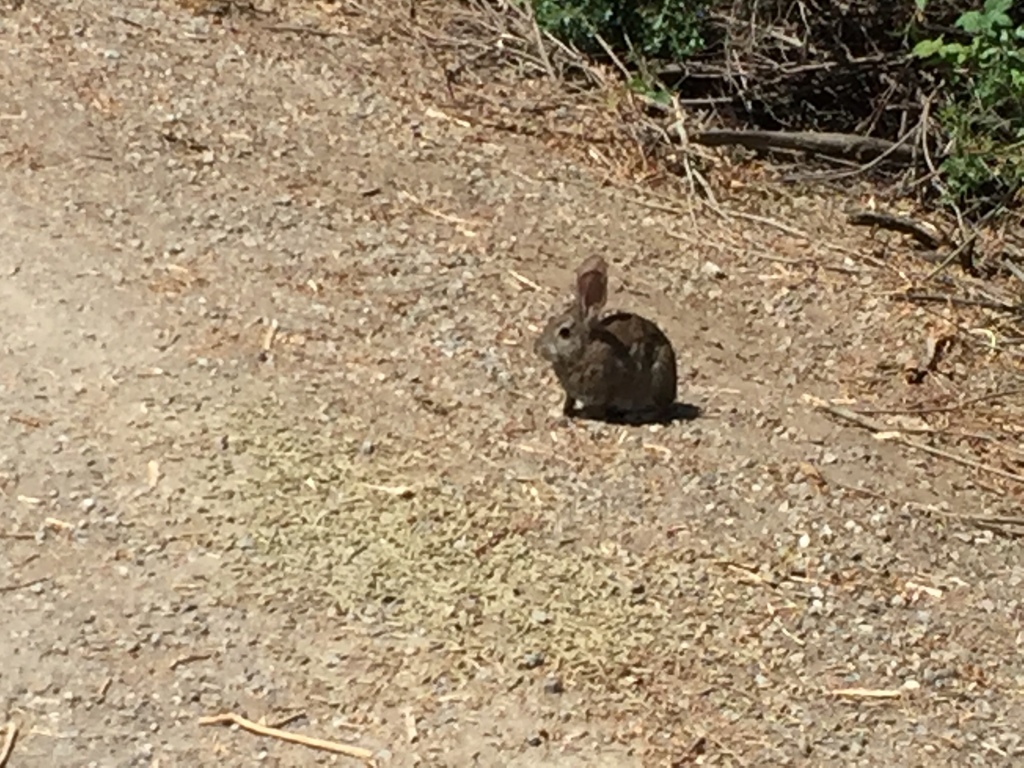
(c) tlaloc27, some rights reserved (CC BY) · licence
Family: Leporidae · Class: Mammalia · Order: Lagomorpha
Conservation status: SE · Endangered · G5T1 S2
Sylvilagus bachmani riparius (Riparian brush rabbit) is a California animal in the Leporidae family.
The riparian brush rabbit is a medium to small cottontail rabbit in the family Leporidae, endemic to California's San Joaquin Valley. Adults measure approximately 270-340 mm (10.6-13.4 inches) in total length and weigh 500-700 grams (1.1-1.5 pounds). The species exhibits variable coloration ranging from dark brown to gray on the dorsal surface, with lighter underparts. The ears are relatively short compared to other cottontails, and the hindfoot measures 75-85 mm (3.0-3.3 inches). Distinguishing features include a brownish-gray pelage that provides camouflage within dense riparian vegetation. Historically, the riparian brush rabbit occurred throughout riparian corridors of the San Joaquin Valley. Currently, the species is restricted to fragmented populations along the San Joaquin River and its tributaries in the southern San Joaquin Valley and northern Tulare Basin. According to NatureServe, the range includes vestigial brushy edges of riparian vegetative communities in southern San Joaquin and northern areas. The species has been extirpated from approximately 95% of its historical range due to habitat conversion and fragmentation. Riparian brush rabbits occupy dense riparian thickets dominated by willows (Salix spp.), wild roses (Rosa spp.), blackberries (Rubus spp.), and other successional trees and shrubs (USFWS Survey Protocol). They require thick understory vegetation providing cover from predators and harsh weather conditions. The species also utilizes dense, tall stands of herbaceous vegetation on a seasonal basis. Habitat typically occurs in floodplain areas with high water tables that support lush riparian growth. This species is primarily crepuscular, most active during dawn and dusk hours. Riparian brush rabbits are herbivorous, feeding on grasses, forbs, bark, and leaves of riparian plants. They produce distinctive cylindrical pellets with rounded ends, measuring 8-13 mm in length and averaging 4.6 mm in width, which are often deposited in communal latrines that may serve territorial functions (USFWS Survey Protocol). Breeding occurs from February through September, with females producing multiple litters of 2-5 young annually. The species exhibits limited dispersal ability, rarely moving beyond riparian corridors. The riparian brush rabbit was federally listed as endangered in 2000 and is also state-listed as endangered in California. Current population estimates suggest fewer than 10,000 individuals remain across all populations. According to USFWS, the biggest current threat is a fatal virus affecting rabbits across the western United States, prompting vaccination efforts by wildlife agencies. Additional threats include seasonal flooding, urban and agricultural development, land use changes, wildfire, drought, and predation by domestic and feral animals. Recovery efforts include habitat restoration, captive breeding programs, and reestablishment at San Joaquin River National Wildlife Refuge, which began in 2002. The species requires immediate conservation action to prevent extinction, as its extremely limited range and small population size make it highly vulnerable to catastrophic events.
Classification
Class: Mammalia · Order: Lagomorpha · Family: Leporidae
Conservation status
SE · Endangered · G5T1 S2
Frequently asked questions
How is Sylvilagus bachmani riparius classified?
Sylvilagus bachmani riparius belongs to class Mammalia, order Lagomorpha, family Leporidae.
What family does Sylvilagus bachmani riparius belong to?
Sylvilagus bachmani riparius is in the Leporidae family.
Is Sylvilagus bachmani riparius protected or of conservation concern?
Sylvilagus bachmani riparius carries the following status: SE · Endangered · G5T1 S2.
What is Sylvilagus bachmani riparius?
The riparian brush rabbit is a medium to small cottontail rabbit in the family Leporidae, endemic to California's San Joaquin Valley.
Is Sylvilagus bachmani riparius found in California?
Yes. Sylvilagus bachmani riparius is recorded in California in The California Species Project's catalogue.
Related species
Other California species in the same genus, family, or bioregion.
Data from The California Species Project — 14,000+ California species with verified data from CNPS, CDFW, USFWS, and more.