Sympistis perscripta
Scribbled Sallow
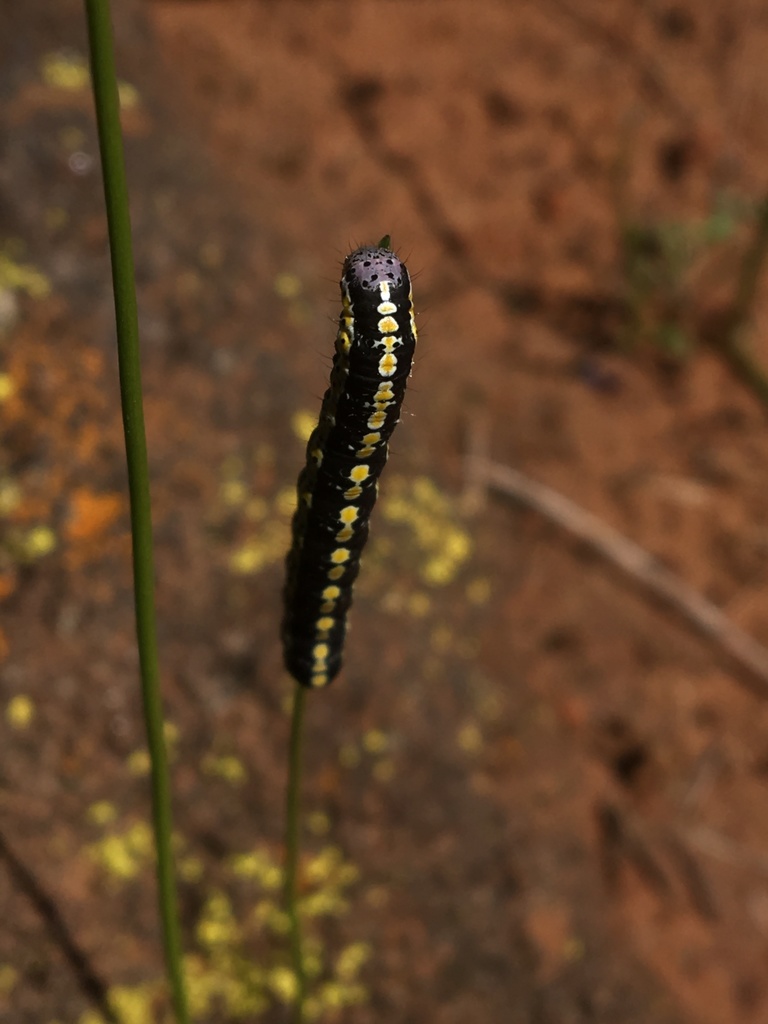
(c) Vincent Weber, some rights reserved (CC BY-SA) · licence
Family: Noctuidae · Class: Insecta · Order: Lepidoptera
Sympistis perscripta (Scribbled Sallow) is a California animal in the Noctuidae family.
The Scribbled Sallow is a nocturnal moth in the family Noctuidae, subfamily Oncocnemidinae. This species belongs to the genus Sympistis, which contains 176 species in North America according to Lafontaine & Schmidt (2010). The moth is catalogued as Hodges number 10154 in the standard North American Lepidoptera classification system. Adults display the characteristic sallow moth appearance with muted earth tones and cryptic wing patterns that provide camouflage when resting on bark or dead vegetation during daylight hours. The forewings typically show a complex pattern of lines and markings that give the species its "scribbled" common name, though specific morphological details require further documentation from specimen studies. Sympistis perscripta occurs across western North America, with documented populations extending from the Pacific Coast inland to mountainous regions. The species has been recorded in California, where it appears in various counties based on collection records from the Butterflies and Moths of North America database. Regional checklists indicate the species co-occurs with related sallow moths including Roland's Sallow (Psaphida rolandi), Silky Sallow (Chaetaglaea sericea), and other Sympistis species such as S. figurata and S. poliochroa. Habitat preferences for this species have not been comprehensively documented, though like most Sympistis species, it likely inhabits areas supporting its larval host plants. Many sallow moths are associated with shrublands, chaparral, and forest edge habitats where woody plants provide breeding substrates. Elevation ranges and specific vegetation associations require additional field studies to characterize fully. The life cycle and behavioral ecology of S. perscripta follow typical patterns for nocturnal Noctuidae. Adults are active during nighttime hours and are attracted to artificial lights, making them detectable through standard moth survey methods. Flight periods and seasonal activity patterns vary geographically but generally occur during warmer months when host plants are actively growing. Larval host plants have not been definitively documented for this species, representing a significant knowledge gap. Related Sympistis species often utilize various shrubs and herbaceous plants, suggesting S. perscripta larvae may have similar feeding habits. Mating behavior likely involves female pheromone production to attract males, typical of Noctuidae. Females deposit eggs on or near larval food plants, with caterpillars developing through multiple instars before pupating in soil or plant debris. Sympistis perscripta has no federal or state conservation listing status and appears to maintain stable populations across its range. The species is not currently considered threatened, though habitat loss from development and land use changes could affect local populations. Climate change impacts on host plant communities may influence future distribution patterns. Scientific documentation for this species remains limited compared to more conspicuous Lepidoptera. The information presented here synthesizes available sources including BugGuide taxonomic data and regional species lists. Additional research on host plant relationships, detailed life history, and habitat requirements would enhance understanding of this species' ecology and conservation needs.
Classification
Class: Insecta · Order: Lepidoptera · Family: Noctuidae
Frequently asked questions
How is Sympistis perscripta classified?
Sympistis perscripta belongs to class Insecta, order Lepidoptera, family Noctuidae.
What family does Sympistis perscripta belong to?
Sympistis perscripta is in the Noctuidae family.
What is Sympistis perscripta?
The Scribbled Sallow is a nocturnal moth in the family Noctuidae, subfamily Oncocnemidinae.
Is Sympistis perscripta found in California?
Yes. Sympistis perscripta is recorded in California in The California Species Project's catalogue.
Related species
Other California species in the same genus, family, or bioregion.
Data from The California Species Project — 14,000+ California species with verified data from CNPS, CDFW, USFWS, and more.