Synergus flavens
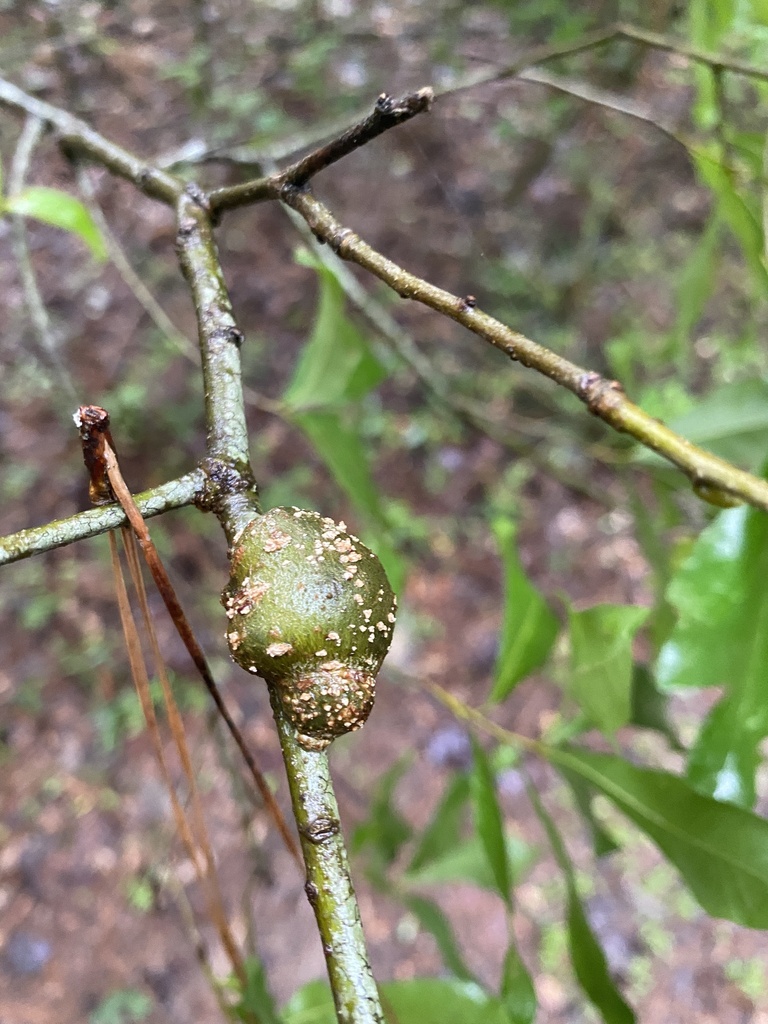
(c) Daniel Patterson, some rights reserved (CC BY) · licence
Family: Cynipidae · Class: Insecta · Order: Hymenoptera
Synergus flavens is a California animal in the Cynipidae family.
Synergus flavens is a small gall wasp in the family Cynipidae, belonging to the order Hymenoptera. As a member of the genus Synergus, this species is an inquiline, meaning it does not create its own galls but instead develops within galls produced by other cynipid wasps. Adults typically measure 2-4 mm in length and display the characteristic wasp body plan with a narrow waist between the thorax and abdomen. The species name 'flavens' suggests yellow coloration, though detailed morphological descriptions are limited in available literature. The distribution of Synergus flavens in California has not been comprehensively documented. Like many cynipid wasps, this species likely occurs in oak woodland habitats where its host gall-formers are present. The genus Synergus is widely distributed across North America, with various species associated with different oak-associated gall wasps. Specific county records and elevation ranges for S. flavens in California require additional survey work to establish. Synergus flavens inhabits oak woodland ecosystems where it depends on the presence of primary gall-forming cynipids. These inquilines require mature oak trees, particularly those in the white oak group (Quercus section Quercus), which support diverse communities of gall wasps. The species likely occurs from sea level to mid-elevation oak woodlands, following the distribution patterns of its host species. Microhabitat requirements include access to developing galls during the appropriate phenological window. As an inquiline, Synergus flavens exhibits a specialized life cycle dependent on other gall wasps. Adult females locate developing galls created by primary gall-formers and insert their eggs into the gall tissue. The developing S. flavens larvae then compete with or displace the original gall inhabitants, utilizing the nutritional resources and protective structure provided by the host gall. This parasitic relationship requires precise timing, as the inquiline must access the gall during a specific developmental stage. Adults typically emerge in spring or early summer, coinciding with oak bud break and early gall formation periods. The species likely has one generation per year, synchronized with its host species' phenology. The conservation status of Synergus flavens has not been formally assessed. Like many small arthropods, this species faces potential threats from habitat loss, particularly the conversion and fragmentation of oak woodland ecosystems in California. Oak woodlands have experienced significant decline due to urbanization, agricultural conversion, and altered fire regimes. Climate change may affect the synchronization between S. flavens and its host species, potentially disrupting the precise timing required for successful reproduction. Additionally, the complex ecological relationships underlying gall wasp communities make them vulnerable to ecosystem-level disturbances. The species would benefit from broader oak woodland conservation efforts and further research to document its distribution, host relationships, and population status in California.
Classification
Class: Insecta · Order: Hymenoptera · Family: Cynipidae
Frequently asked questions
How is Synergus flavens classified?
Synergus flavens belongs to class Insecta, order Hymenoptera, family Cynipidae.
What family does Synergus flavens belong to?
Synergus flavens is in the Cynipidae family.
What is Synergus flavens?
Synergus flavens is a small gall wasp in the family Cynipidae, belonging to the order Hymenoptera.
Is Synergus flavens found in California?
Yes. Synergus flavens is recorded in California in The California Species Project's catalogue.
Related species
Other California species in the same genus, family, or bioregion.
Data from The California Species Project — 14,000+ California species with verified data from CNPS, CDFW, USFWS, and more.