Tamalia glaucensis
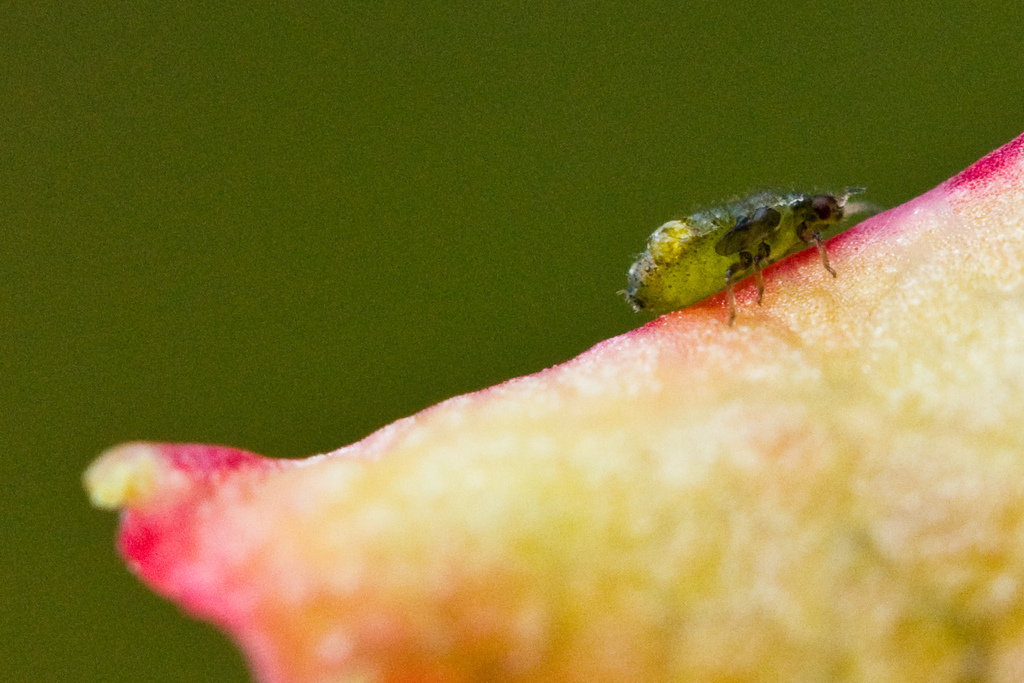
(c) Ken-ichi Ueda, some rights reserved (CC BY) · licence
Family: Aphididae · Class: Insecta · Order: Hemiptera
Tamalia glaucensis is a California animal in the Aphididae family.
Tamalia glaucensis is a species of aphid in the family Aphididae, order Hemiptera. This small insect belongs to a genus of aphids that are typically specialized herbivores, feeding on plant tissues through piercing-sucking mouthparts characteristic of hemipterans. Like other aphids, T. glaucensis likely measures 1-10 millimeters (0.04-0.4 inches) in length, with a soft-bodied appearance typical of the family Aphididae. Aphids generally display green, brown, black, or translucent coloration that often matches their host plants. The species possesses the characteristic aphid body plan with a pear-shaped abdomen, long antennae, and stylet mouthparts adapted for piercing plant tissues. Most aphids have two forms: winged dispersal morphs with four membranous wings, and wingless reproductive morphs. The geographic range and distribution of Tamalia glaucensis have not been well documented in available scientific literature. The species name suggests a possible connection to coastal or marine environments, as 'glaucensis' may derive from 'glaucous,' a term often used to describe blue-gray coloration associated with coastal plants or habitats. Specific habitat requirements for T. glaucensis remain poorly characterized. Most Tamalia species are associated with specific host plants, typically forming colonies on stems, leaves, or root systems. Aphids in this genus generally prefer temperate climates and may be found in various vegetation types including coastal scrub, grasslands, or woodland margins, depending on their host plant associations. The ecology and behavior of T. glaucensis likely follows typical aphid life patterns, involving complex reproductive cycles that may include both sexual and asexual reproduction. Many aphids exhibit cyclical parthenogenesis, producing multiple generations of wingless females through asexual reproduction during favorable conditions, followed by sexual reproduction and overwintering egg stages. These insects feed by inserting their stylets into plant phloem vessels, extracting sugary sap and often producing honeydew as a waste product. Host plant specificity is common among aphids, with many species restricted to one or a few closely related plant species. The conservation status of Tamalia glaucensis is not established, as the species lacks federal or state listing status. No population data or trend information is currently available. The absence of detailed ecological studies and limited taxonomic documentation suggests this species may be either rare, recently described, or taxonomically complex. Many aphid species face threats from habitat loss, pesticide applications, and changes in host plant availability due to land use changes or invasive species. Detailed ecological studies of Tamalia glaucensis are lacking. The above information synthesizes general aphid biology with limited available taxonomic data. We welcome contributions of verified scientific data, photographs, or field observations to enhance this species account.
Classification
Class: Insecta · Order: Hemiptera · Family: Aphididae
Frequently asked questions
How is Tamalia glaucensis classified?
Tamalia glaucensis belongs to class Insecta, order Hemiptera, family Aphididae.
What family does Tamalia glaucensis belong to?
Tamalia glaucensis is in the Aphididae family.
What is Tamalia glaucensis?
Tamalia glaucensis is a species of aphid in the family Aphididae, order Hemiptera.
Is Tamalia glaucensis found in California?
Yes. Tamalia glaucensis is recorded in California in The California Species Project's catalogue.
Related species
Other California species in the same genus, family, or bioregion.
Data from The California Species Project — 14,000+ California species with verified data from CNPS, CDFW, USFWS, and more.