Tamias obscurus
Chaparral Chipmunk
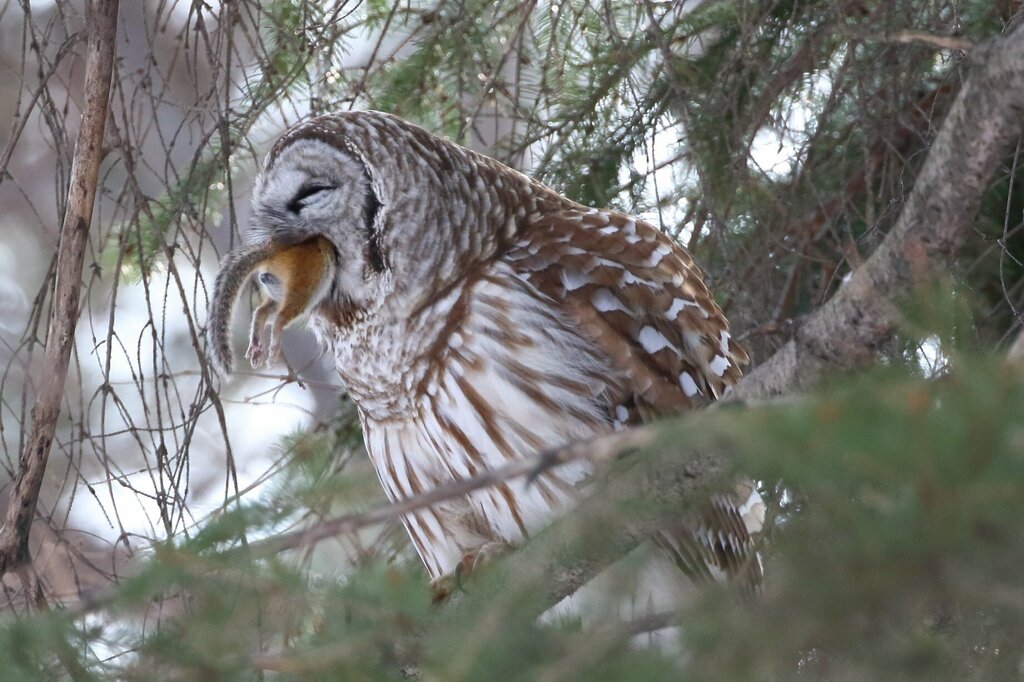
no rights reserved · CC0
Family: Sciuridae · Class: Mammalia · Order: Rodentia
Tamias obscurus (Chaparral Chipmunk) is a California animal in the Sciuridae family.
The Chaparral Chipmunk (Tamias obscurus), also known as the Dusky Chipmunk, is a medium-sized ground squirrel endemic to California's chaparral ecosystems. Adults measure 200 to 280 mm (7.9 to 11.0 inches) in total length, including a tail of 90 to 130 mm (3.5 to 5.1 inches). Body weight ranges from 60 to 100 grams (2.1 to 3.5 ounces). The dorsal pelage is grayish-brown with indistinct dark and light stripes along the back, distinguishing it from the more boldly striped chipmunk species. The ventral surface is pale gray to white, and the tail displays alternating dark and light bands with white-tipped hairs. The Chaparral Chipmunk occurs exclusively in California, ranging from Contra Costa County south through the Coast Ranges to northern Baja California, and in the Transverse and Peninsular Ranges. The species is found in portions of the Sierra Nevada foothills and extends into desert mountain ranges including the San Bernardino and San Jacinto Mountains. Populations are documented at elevations from near sea level to approximately 2,500 meters (8,200 feet), though most occurrences are below 2,000 meters (6,600 feet). This species inhabits dense chaparral shrublands dominated by manzanita, ceanothus, scrub oak, and chamise. It also occurs in oak woodlands, mixed coniferous forests, and riparian areas adjacent to chaparral. The Chaparral Chipmunk shows strong preference for areas with dense shrub cover and rocky outcrops that provide shelter and foraging opportunities. Unlike many chipmunk species, it readily occupies steep, south-facing slopes where chaparral vegetation is most developed. Chaparral Chipmunks are primarily granivorous, feeding on seeds of shrubs and trees, particularly manzanita berries, acorns, and pine nuts. They supplement their diet with green vegetation, fungi, and occasionally insects. The species exhibits limited climbing ability compared to tree squirrels, spending most time foraging on the ground and in low shrubs. Breeding occurs from March through May, with females producing a single litter of three to five young after a gestation period of approximately 30 days. Young emerge from natal burrows in mid-summer and disperse by early autumn. Adults undergo a partial hibernation or torpor during winter months, relying on cached food stores. The Chaparral Chipmunk is not federally or state listed under endangered species legislation. However, populations face pressure from habitat loss due to urban development, particularly in coastal Southern California where chaparral habitat has been extensively fragmented. Wildfire suppression policies that alter natural fire cycles may affect habitat quality over time, as chaparral ecosystems evolved with periodic burning. Climate change poses additional concerns through potential shifts in precipitation patterns and increased fire frequency that could exceed the species' adaptive capacity.
Classification
Class: Mammalia · Order: Rodentia · Family: Sciuridae
Frequently asked questions
How is Tamias obscurus classified?
Tamias obscurus belongs to class Mammalia, order Rodentia, family Sciuridae.
What family does Tamias obscurus belong to?
Tamias obscurus is in the Sciuridae family.
What is Tamias obscurus?
The Chaparral Chipmunk (Tamias obscurus), also known as the Dusky Chipmunk, is a medium-sized ground squirrel endemic to California's chaparral ecosystems.
Is Tamias obscurus found in California?
Yes. Tamias obscurus is recorded in California in The California Species Project's catalogue.
Related species
Other California species in the same genus, family, or bioregion.
Data from The California Species Project — 14,000+ California species with verified data from CNPS, CDFW, USFWS, and more.