Tamias sonomae
Sonoma Chipmunk
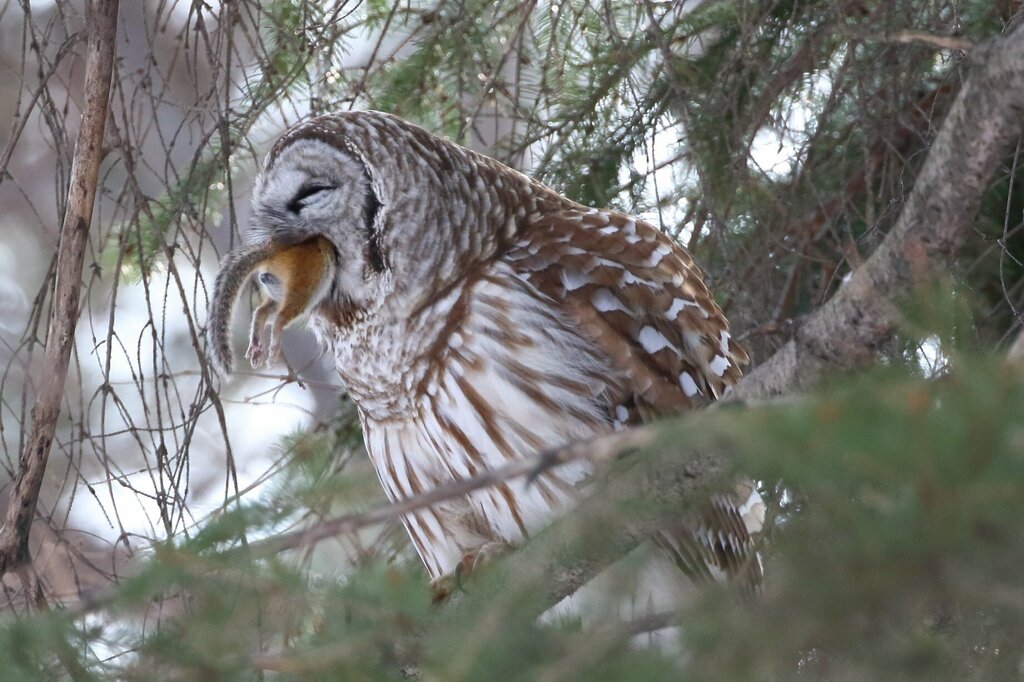
no rights reserved · CC0
Family: Sciuridae · Class: Mammalia · Order: Rodentia
Tamias sonomae (Sonoma Chipmunk) is a California animal in the Sciuridae family.
The Sonoma chipmunk is a small rodent endemic to a limited region of northern California. Adults typically measure 200 to 240 mm (7.9 to 9.4 inches) in total length, including a tail of 85 to 105 mm (3.3 to 4.1 inches). Body weight ranges from 50 to 85 grams (1.8 to 3.0 ounces). The dorsal pelage displays alternating dark and light stripes characteristic of western chipmunks, with five dark stripes separated by four light stripes running from the shoulders to the rump. The central dark stripe is typically the most prominent. The sides are grayish-brown, and the underparts are whitish to pale gray. The tail is relatively long and bushy with alternating dark and light bands. The Sonoma chipmunk has one of the most restricted ranges of any North American chipmunk species. The species occurs only in Sonoma County and extreme southern Mendocino County, California. The range extends from the Russian River valley north to the Mendocino County line, with populations concentrated in the coastal mountain ranges including parts of the Mayacamas Mountains. The total range encompasses approximately 1,000 square kilometers (386 square miles). This species inhabits mixed hardwood forests and chaparral communities at elevations ranging from near sea level to approximately 760 meters (2,500 feet). Typical habitat includes Douglas fir-tanoak forests, mixed evergreen forests with madrone and coast live oak, and dense chaparral dominated by manzanita and ceanothus. The species shows preference for areas with dense understory vegetation and rocky outcrops that provide shelter and foraging opportunities. Sonoma chipmunks require habitat with abundant fallen logs, rock crevices, and dense shrub cover for nesting and predator avoidance. Sonoma chipmunks are primarily granivorous, feeding on seeds, nuts, and fruits of native plants including acorns, manzanita berries, and various grass seeds. They also consume green vegetation, fungi, and occasionally insects. The species exhibits typical chipmunk behavior, including cheek pouch storage and caching of food items in underground burrows. Breeding occurs from April through June, with females producing a single annual litter of three to five young after a gestation period of approximately 30 days. Young emerge from natal burrows in late summer and disperse to establish territories before winter. The Sonoma chipmunk is not federally listed but is considered a species of conservation concern due to its extremely limited range and habitat specificity. The species faces threats from habitat loss and fragmentation due to residential development, vineyard expansion, and fire management practices in Sonoma County. Climate change may pose additional risks through altered fire regimes and shifts in vegetation communities. Population monitoring has been limited, making current population trends difficult to assess. The California Department of Fish and Wildlife considers the species a priority for conservation planning and habitat protection efforts within its narrow range.
Classification
Class: Mammalia · Order: Rodentia · Family: Sciuridae
Frequently asked questions
How is Tamias sonomae classified?
Tamias sonomae belongs to class Mammalia, order Rodentia, family Sciuridae.
What family does Tamias sonomae belong to?
Tamias sonomae is in the Sciuridae family.
What is Tamias sonomae?
The Sonoma chipmunk is a small rodent endemic to a limited region of northern California.
Is Tamias sonomae found in California?
Yes. Tamias sonomae is recorded in California in The California Species Project's catalogue.
Related species
Other California species in the same genus, family, or bioregion.
Data from The California Species Project — 14,000+ California species with verified data from CNPS, CDFW, USFWS, and more.