Tamias speciosus
Lodgepole Chipmunk
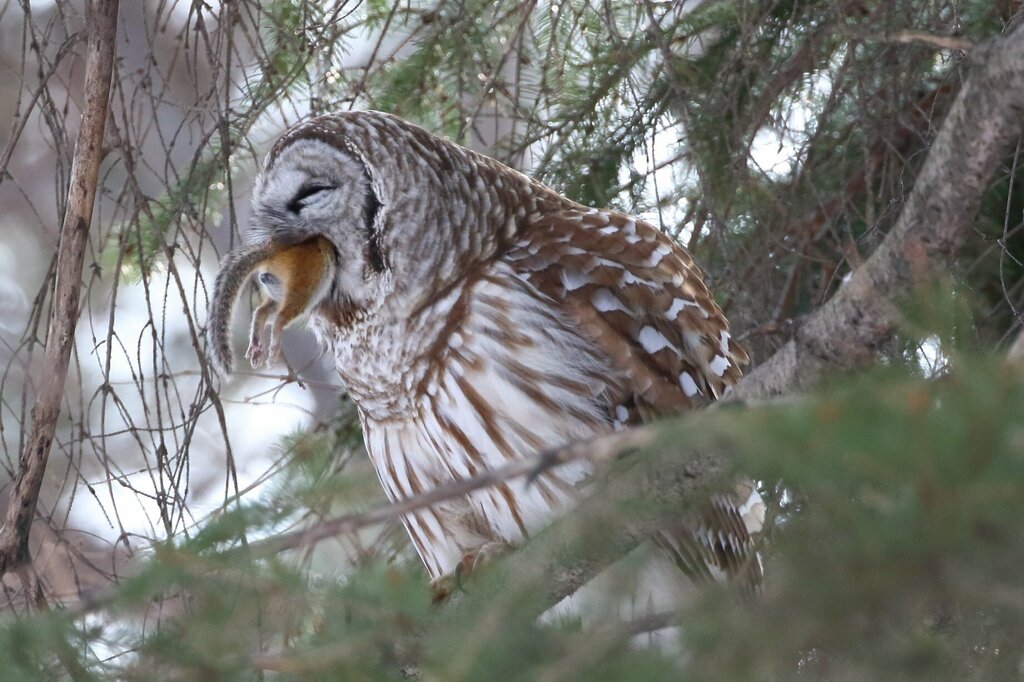
no rights reserved · CC0
Family: Sciuridae · Class: Mammalia · Order: Rodentia
Tamias speciosus (Lodgepole Chipmunk) is a California animal in the Sciuridae family.
The Lodgepole Chipmunk is a medium-sized ground squirrel endemic to the high-elevation coniferous forests of the Sierra Nevada and southern Cascade Range. Adults measure 200 to 250 mm (7.9 to 9.8 inches) in total length, with the tail comprising approximately half this length. Body weight ranges from 35 to 60 grams (1.2 to 2.1 ounces). The dorsal pelage displays five distinct dark stripes alternating with four light stripes, extending from the shoulders to the base of the tail. The central dark stripe is typically the most prominent. Facial markings include dark and light stripes extending from the nose through the eye to behind the ear. The underside is pale gray to white, and the tail shows alternating dark and light bands with dark borders. Historically and currently, the Lodgepole Chipmunk occurs throughout the Sierra Nevada from Plumas County south to Tulare County, and in the southern Cascade Range of Shasta County. The species' range extends from approximately 1,500 to 3,400 meters (4,900 to 11,200 feet) elevation, though it is most abundant between 2,100 and 3,000 meters. Small populations also occur in the Warner Mountains of Modoc County. The range overlaps with several other chipmunk species, particularly at lower and higher elevations. Lodgepole Chipmunks inhabit montane and subalpine coniferous forests dominated by lodgepole pine, red fir, white fir, and Jeffrey pine. The species shows strong preference for areas with dense understory vegetation, fallen logs, and rocky outcrops that provide cover and foraging opportunities. Habitat requirements include access to both arboreal and terrestrial environments, as the species forages in trees and shrubs as well as on the ground. Den sites are typically located in tree cavities, hollow logs, or burrows beneath rocks and root systems. This species exhibits typical chipmunk behavior patterns, with peak activity during morning and late afternoon hours. The diet consists primarily of conifer seeds, particularly from pines and firs, supplemented by fungi, berries, green vegetation, and occasionally insects. Lodgepole Chipmunks are excellent climbers and spend considerable time foraging in trees. Breeding occurs from May through July, with females producing a single litter of 3 to 5 young after a gestation period of approximately 30 days. Young emerge from dens in late summer and disperse before winter. The species demonstrates caching behavior, storing seeds and other food items in multiple locations throughout their territory. The Lodgepole Chipmunk is not currently listed under federal or state endangered species legislation. Populations appear stable throughout most of the range, though habitat fragmentation from logging and development poses localized threats. Climate change may affect habitat suitability at lower elevations, potentially causing upslope range shifts. The species' dependence on mature coniferous forests makes it vulnerable to large-scale forest disturbances, including wildfire and forest management practices that significantly alter forest structure and composition.
Classification
Class: Mammalia · Order: Rodentia · Family: Sciuridae
Frequently asked questions
How is Tamias speciosus classified?
Tamias speciosus belongs to class Mammalia, order Rodentia, family Sciuridae.
What family does Tamias speciosus belong to?
Tamias speciosus is in the Sciuridae family.
What is Tamias speciosus?
The Lodgepole Chipmunk is a medium-sized ground squirrel endemic to the high-elevation coniferous forests of the Sierra Nevada and southern Cascade Range.
Is Tamias speciosus found in California?
Yes. Tamias speciosus is recorded in California in The California Species Project's catalogue.
Related species
Other California species in the same genus, family, or bioregion.
Data from The California Species Project — 14,000+ California species with verified data from CNPS, CDFW, USFWS, and more.