Taxidea taxus
American Badger
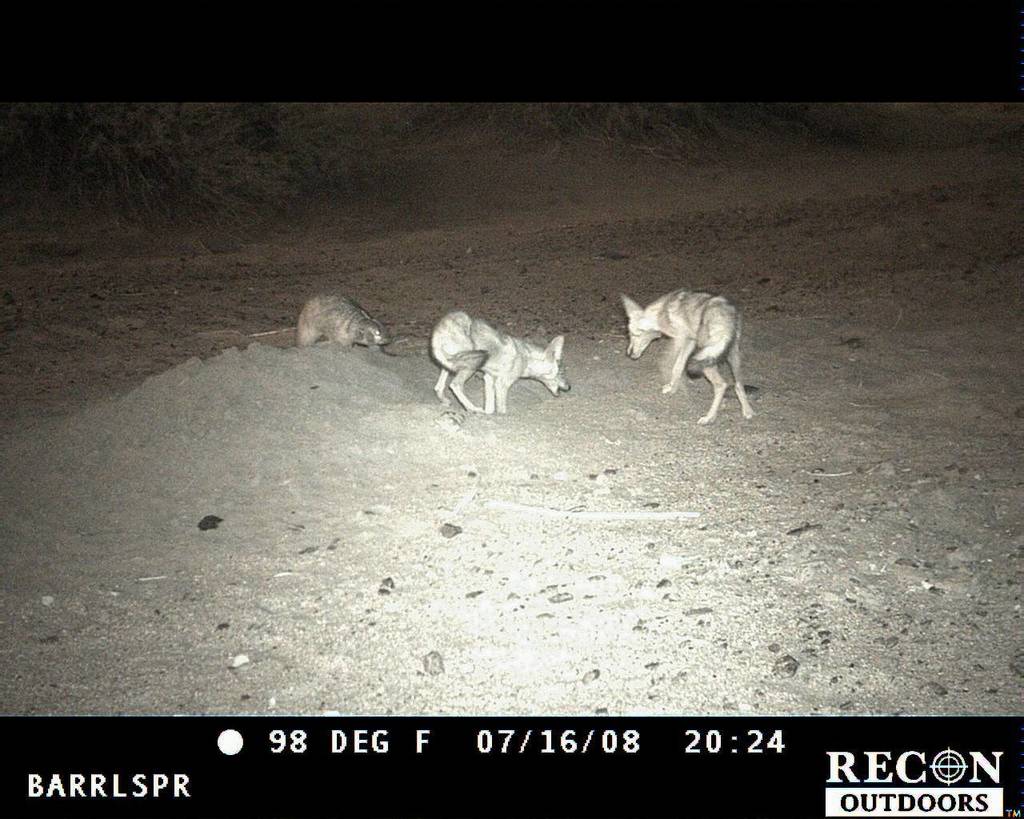
(c) Danny Mccamish, some rights reserved (CC BY) · licence
Family: Mustelidae · Class: Mammalia · Order: Carnivora
Conservation status: G5 S3
Taxidea taxus (American Badger) is a California animal in the Mustelidae family.
The American badger is a stocky, medium-sized carnivore with distinctive adaptations for fossorial life. Adults measure 520 to 875 millimeters (20.5 to 34.4 inches) in total length, including a tail of 100 to 155 millimeters (3.9 to 6.1 inches). Body weight ranges from 4 to 12 kilograms (8.8 to 26.5 pounds), with males typically larger than females. The species exhibits a flattened body profile with short, powerful legs and massive front claws measuring up to 50 millimeters (2 inches) in length. The pelage is grizzled gray to brown dorsally with a distinctive white stripe extending from the nose over the head to the shoulders. The face displays bold black and white markings, with white cheeks contrasting against dark patches around the eyes. Historically, American badgers ranged throughout most of western North America from southern Canada to central Mexico. In California, the species occurs primarily in the Central Valley, foothills of the Sierra Nevada, and portions of the Coast Ranges, with scattered populations in southern California deserts. Current distribution is fragmented compared to historical range, with significant population declines documented in coastal and urban-adjacent areas. American badgers inhabit open grasslands, prairies, agricultural areas, and scrublands from sea level to approximately 3,650 meters (12,000 feet) elevation. The species requires areas with sufficient prey density and soils suitable for excavation. Preferred habitats include annual grasslands, croplands, pastures, and desert scrub communities. Badgers avoid heavily forested areas and steep terrain that limits digging activity. This species is a specialized predator of fossorial rodents, particularly ground squirrels, pocket gophers, and prairie dogs. Badgers employ powerful digging abilities to excavate prey from burrow systems, creating characteristic conical excavations. Hunting occurs primarily at night and during crepuscular periods. Mating takes place in late summer, with delayed implantation resulting in birth timing from March to May. Females produce litters of one to five cubs, typically two to three, in underground dens. Cubs remain with the mother through their first summer, dispersing in autumn. The American badger holds a Global Rank of G5 (secure globally) but a State Rank of S3 (vulnerable) in California, indicating regional conservation concern. Primary threats include habitat loss from urban development and intensive agriculture, vehicle mortality along roadways, and persecution by landowners. Conversion of native grasslands to croplands and urban areas has eliminated suitable habitat across much of the species' former California range. According to recent surveys, badger populations continue to decline in the Central Valley and coastal regions due to ongoing habitat fragmentation. The species is considered a Species of Special Concern by the California Department of Fish and Wildlife, though it lacks formal state or federal protection status. Conservation efforts focus on habitat preservation, wildlife corridor establishment, and reduced vehicle mortality through improved road design.
Classification
Class: Mammalia · Order: Carnivora · Family: Mustelidae
Conservation status
G5 S3
Frequently asked questions
How is Taxidea taxus classified?
Taxidea taxus belongs to class Mammalia, order Carnivora, family Mustelidae.
What family does Taxidea taxus belong to?
Taxidea taxus is in the Mustelidae family.
Is Taxidea taxus protected or of conservation concern?
Taxidea taxus carries the following status: G5 S3.
What is Taxidea taxus?
The American badger is a stocky, medium-sized carnivore with distinctive adaptations for fossorial life.
Is Taxidea taxus found in California?
Yes. Taxidea taxus is recorded in California in The California Species Project's catalogue.
Related species
Other California species in the same genus, family, or bioregion.
Data from The California Species Project — 14,000+ California species with verified data from CNPS, CDFW, USFWS, and more.