Taylorilygus apicalis
Broken-backed Bug
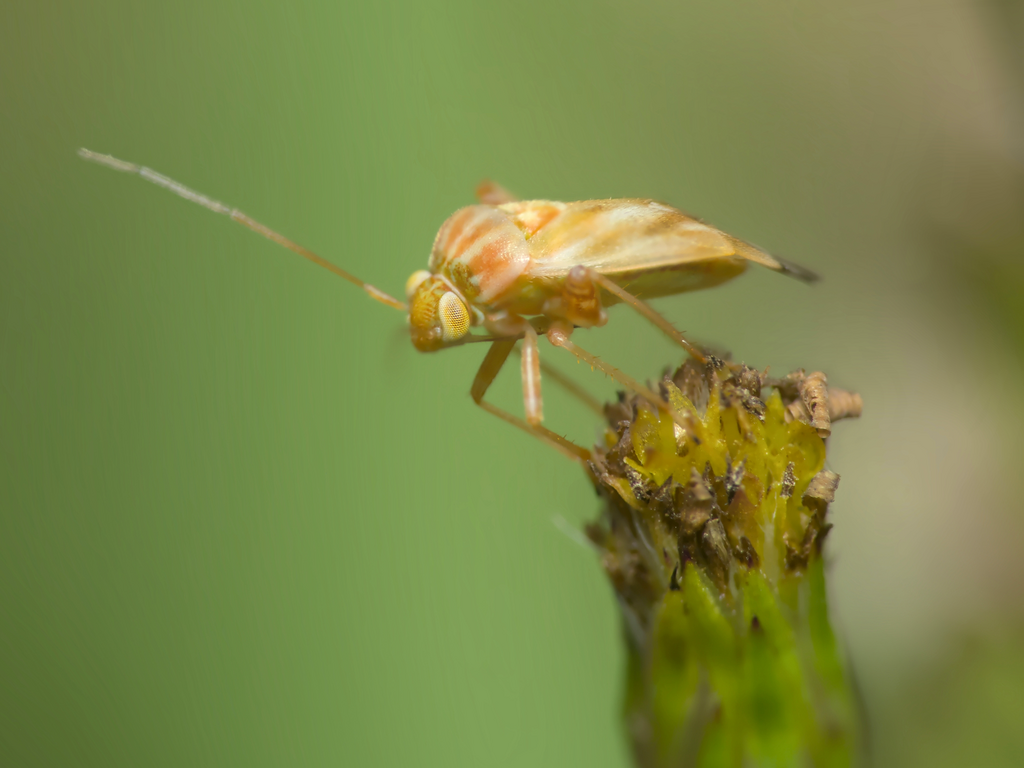
(c) Slunky, some rights reserved (CC BY) · licence
Family: Miridae · Class: Insecta · Order: Hemiptera
Taylorilygus apicalis (Broken-backed Bug) is a California animal in the Miridae family.
Taylorilygus apicalis, commonly known as the Broken-backed Bug, is a member of the family Miridae, commonly called plant bugs or leaf bugs. This family represents one of the largest groups within the true bugs (Hemiptera), with species characterized by their soft bodies and diverse feeding habits. As a member of the subfamily Mirinae, T. apicalis likely exhibits the typical mirid body plan with a relatively elongated, oval shape and delicate construction that distinguishes this family from other hemipteran groups. The distribution of Taylorilygus apicalis appears to be poorly documented in readily accessible scientific literature. Based on the genus name and available records, this species likely occurs in western North America, though specific range boundaries and habitat preferences have not been well characterized. The genus Taylorilygus contains several species that are generally associated with various plant communities, suggesting this species follows similar ecological patterns. Habitat requirements for T. apicalis remain largely undocumented. Most Miridae species are closely associated with specific host plants or plant communities, where they feed on plant juices using their piercing-sucking mouthparts. The specific vegetation types, elevation ranges, and microhabitat preferences utilized by this species require further research to establish. Ecological information about T. apicalis is extremely limited. Like other mirids, this species likely has piercing-sucking mouthparts adapted for feeding on plant fluids, including phloem and xylem. Many plant bugs in this family are known to be host-specific or have narrow host plant ranges, though the specific feeding relationships and seasonal activity patterns of T. apicalis have not been documented. Reproduction likely follows typical mirid patterns with eggs laid in plant tissues and multiple generations per year in favorable climates, though specific breeding timing and developmental requirements remain unknown. The conservation status of Taylorilygus apicalis has not been formally assessed. No federal or state listing status appears to exist for this species, and population trends are undocumented. The lack of readily available biological information suggests either that this species is rare and poorly studied, or that it has received limited research attention despite potentially stable populations. Many invertebrate species, particularly smaller insects like plant bugs, remain understudied despite their important roles in ecosystem functioning. Scientific documentation for this species remains extremely limited despite thorough searches of available databases and literature. The information presented here represents the current state of knowledge based on taxonomic classification and general family characteristics. Detailed studies of T. apicalis' biology, distribution, host plant relationships, and ecology are needed to provide a comprehensive understanding of this species' natural history and conservation needs.
Classification
Class: Insecta · Order: Hemiptera · Family: Miridae
Frequently asked questions
How is Taylorilygus apicalis classified?
Taylorilygus apicalis belongs to class Insecta, order Hemiptera, family Miridae.
What family does Taylorilygus apicalis belong to?
Taylorilygus apicalis is in the Miridae family.
What is Taylorilygus apicalis?
Taylorilygus apicalis, commonly known as the Broken-backed Bug, is a member of the family Miridae, commonly called plant bugs or leaf bugs.
Is Taylorilygus apicalis found in California?
Yes. Taylorilygus apicalis is recorded in California in The California Species Project's catalogue.
Related species
Other California species in the same genus, family, or bioregion.
Data from The California Species Project — 14,000+ California species with verified data from CNPS, CDFW, USFWS, and more.