Tegeticula yuccasella
Yucca Moth
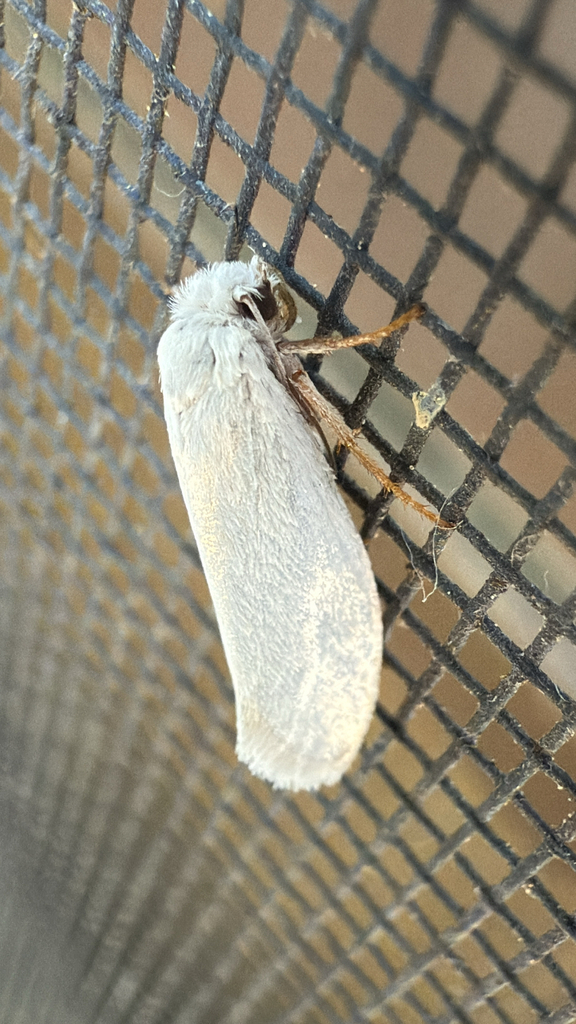
(c) nebrooks, some rights reserved (CC BY) · licence
Family: Prodoxidae · Class: Insecta · Order: Lepidoptera
Tegeticula yuccasella (Yucca Moth) is a California animal in the Prodoxidae family.
The yucca moth is a small white moth in the family Prodoxidae, measuring approximately 15-25 mm in wingspan. Adults are predominantly white with narrow forewings and relatively broad hindwings. The species exhibits sexual dimorphism, with females possessing specialized tentacle-like structures on their maxillae used for collecting and manipulating yucca pollen. Males lack these specialized appendages and are typically smaller than females. Tegeticula yuccasella occurs throughout much of North America, with documented populations from California to Maryland and from Canada to Mexico. The species has been recorded in California, Nevada, Arizona, Utah, Colorado, New Mexico, Texas, Oklahoma, Kansas, Nebraska, Missouri, and eastward to Maryland (Moth Photographers Group). Recent observations from 2020-2022 include records from Los Angeles County, California, and various locations in Texas, Ohio, and Maryland, indicating the species maintains a broad distribution. Yucca moths inhabit desert and semi-arid regions where their host plants occur, typically at elevations ranging from 1,279 to 8,775 feet. They are found in association with various yucca species across diverse habitat types, from Mojave Desert scrublands to Great Plains grasslands and southeastern pine forests. Adults are most commonly encountered in areas with established yucca populations during the plants' flowering periods. This species exhibits one of the most specialized pollination relationships known in nature. Female yucca moths collect pollen from yucca flowers using their specialized maxillary tentacles, forming the pollen into a ball. They then fly to another yucca flower, deposit eggs in the ovary, and deliberately pollinate the flower by placing the pollen ball on the stigma. This mutualistic relationship ensures both species' reproduction: the moth larvae consume some developing yucca seeds while leaving sufficient seeds for plant reproduction. Different populations of T. yuccasella may specialize on different yucca species, with morphometric studies suggesting potential subspeciation based on host plant association (Miles 1983). Flight periods vary geographically but typically occur during yucca flowering seasons from spring through early summer. Tegeticula yuccasella has no federal or state conservation listing status. However, the species faces potential threats related to climate change impacts on desert ecosystems and yucca populations. Joshua trees and other yucca species, which serve as essential hosts for yucca moths, are experiencing range shifts and population pressures from altered precipitation patterns, increased wildfire frequency, and invasive grass competition. The U.S. Fish and Wildlife Service's 2023 analysis of Joshua tree species noted the importance of yucca moth pollinators for ecosystem maintenance. Given the obligate nature of the yucca-moth mutualism, conservation of yucca moth populations depends entirely on maintaining healthy yucca ecosystems. Current populations appear stable across most of the species' range, with ongoing citizen science observations documented through platforms like iNaturalist and BAMONA continuing to track distribution patterns.
Classification
Class: Insecta · Order: Lepidoptera · Family: Prodoxidae
Frequently asked questions
How is Tegeticula yuccasella classified?
Tegeticula yuccasella belongs to class Insecta, order Lepidoptera, family Prodoxidae.
What family does Tegeticula yuccasella belong to?
Tegeticula yuccasella is in the Prodoxidae family.
What is Tegeticula yuccasella?
The yucca moth is a small white moth in the family Prodoxidae, measuring approximately 15-25 mm in wingspan.
Is Tegeticula yuccasella found in California?
Yes. Tegeticula yuccasella is recorded in California in The California Species Project's catalogue.
Related species
Other California species in the same genus, family, or bioregion.
Data from The California Species Project — 14,000+ California species with verified data from CNPS, CDFW, USFWS, and more.